
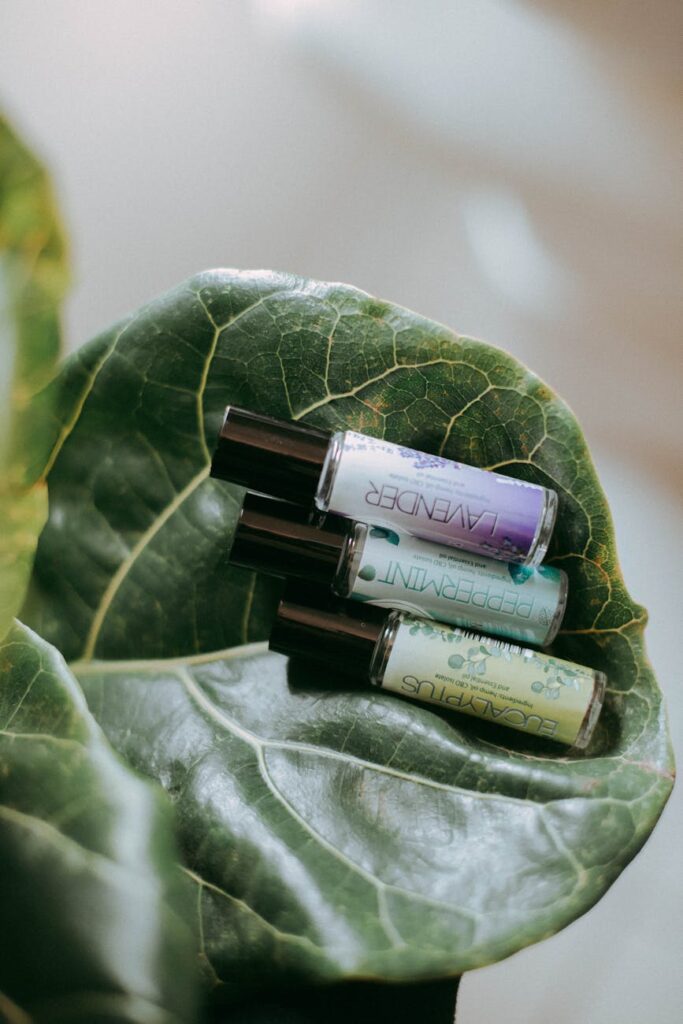
Complete Guide to Aromatherapy Blends for Creativity Enhancement Part 6
Introduction
Aromatherapy, the practice of using essential oils to enhance physical and psychological well-being, has gained popularity in recent years for its potential to influence creativity. This sixth installment in our series on aromatherapy blends focuses on specific combinations of essential oils designed to unlock creative potential, stimulate imagination, and foster innovative thinking. By understanding the properties of different essential oils and how they can work together, individuals can create personalized blends to support their creative endeavors.
What Is Aromatherapy Blends for Creativity Enhancement?
Aromatherapy blends for creativity enhancement consist of carefully selected essential oils that are believed to stimulate the mind and evoke inspiration. These blends typically include oils known for their uplifting, clarifying, and grounding properties. The underlying theory is that the inhalation of these scents can influence mood and mental clarity, thereby promoting a conducive environment for creative thought.
Common essential oils used in creativity-enhancing blends include:
- Bergamot: Known for its uplifting properties, bergamot can help alleviate anxiety and promote a sense of joy.
- Lemon: This citrus oil is often associated with clarity and energy, making it an excellent choice for stimulating creative thought.
- Rosemary: Frequently linked to memory enhancement and cognitive function, rosemary may help improve focus.
- Frankincense: Renowned for its grounding qualities, frankincense can help center the mind, making it easier to tap into creative ideas.
- Lavender: While often used for relaxation, lavender can also promote a peaceful mindset, allowing creativity to flow more freely.
- Creative Workspaces: Diffusing creativity-enhancing blends in workspaces can help set the tone for productive sessions, whether in a studio, office, or home environment.
- Meditation Practices: Incorporating these blends into meditation can help individuals connect with their inner selves, often leading to bursts of inspiration.
- Artistic Activities: Artists, writers, and musicians may benefit from using these blends as part of their creative routine, whether through inhalation or topical application.
- Group Settings: Workshops or collaborative environments can be enhanced by diffusing creativity blends to encourage teamwork and brainstorming.
- Dilution: Always dilute essential oils with a carrier oil before topical application to prevent skin irritation.
- Patch Testing: Conduct a patch test before applying a new essential oil blend to ensure no allergic reactions occur.
- Quality of Oils: Use high-quality, pure essential oils from reputable sources to ensure safety and efficacy.
- Pregnancy and Medical Conditions: Individuals who are pregnant or have specific medical conditions should consult with a qualified practitioner before using essential oils.
- Avoiding Ingestion: Essential oils should not be ingested unless under the guidance of a qualified professional.
- Cool, Dark Place: Store essential oils in a cool, dark location to prevent degradation caused by light and heat.
- Tightly Sealed Containers: Ensure that bottles are tightly sealed to minimize oxidation and evaporation.
- Shelf Life: While different oils have varying shelf lives, most essential oils can last between 1 to 3 years when stored correctly. Citrus oils, however, tend to have shorter shelf lives, often around 6 months to a year.
Key Benefits and Properties
The benefits of using aromatherapy blends for creativity enhancement extend beyond mere inspiration. Here are some key properties and benefits associated with these blends:
1. Mood Enhancement: Many essential oils used in creativity blends are known for their ability to elevate mood, which can be instrumental in overcoming creative blocks.
2. Mental Clarity: Certain oils can help clear mental fog, allowing for better focus and enhanced cognitive abilities.
3. Stress Reduction: The calming properties of some essential oils can reduce stress, creating a more conducive environment for creativity to flourish.
4. Increased Energy: Uplifting oils can provide a boost of energy, combating fatigue and encouraging a more active engagement with creative tasks.
5. Emotional Balance: Aromatherapy blends can help balance emotions, reducing feelings of frustration or self-doubt that often accompany creative pursuits.
Common Uses
Aromatherapy blends for creativity enhancement can be utilized in a variety of settings and scenarios. Here are some common uses:
Aromatherapy Applications
There are several methods to apply aromatherapy blends for creativity enhancement. Here are a few popular applications:
1. Diffusion
Using an essential oil diffuser is one of the most common ways to disperse essential oils into the air. A few drops of your chosen creativity-enhancing blend can create an inspiring atmosphere.
2. Inhalation
Direct inhalation is another effective method. Simply placing a few drops of the blend on a cotton ball or handkerchief and inhaling deeply can provide immediate benefits.
3. Topical Application
For those who prefer a more personal experience, topical application can be beneficial. Diluting essential oils in a carrier oil and applying them to pulse points (like wrists or neck) can facilitate a close connection to the aromas.
4. Bathing
Adding a few drops of essential oils to bathwater can create a relaxing environment conducive to creativity. It allows the individual to unwind while surrounded by uplifting scents.
5. Creative Rituals
Incorporating essential oils into a creative ritual—such as lighting candles, playing music, or journaling—can enhance the overall experience and set the stage for inspiration.
Safety Considerations
While aromatherapy can be a delightful and enriching experience, it is essential to practice safety. Here are some important considerations:
Storage and Shelf Life
Proper storage is crucial for maintaining the integrity and effectiveness of essential oils. Here are some guidelines:
Frequently Asked Questions
1. Can I create my own blends for creativity?
Yes, creating your own blends can be a rewarding experience. Start with a base oil and experiment by adding other oils until you find a combination that resonates with you.
2. How do I know which oils to use for creativity?
Research the properties and benefits of essential oils and choose those that align with your personal objectives. A combination of uplifting, clarifying, and grounding oils often works well.
3. How often can I use aromatherapy blends?
You can use aromatherapy blends as often as needed; however, be mindful of how your body reacts and adjust usage accordingly.
4. Are there any essential oils to avoid for creativity?
While most essential oils can be beneficial, it’s best to avoid those that are overly sedative, as they may inhibit creativity rather than enhance it.
5. Can I use these blends while working?
Yes, many people find that using aromatherapy blends while working enhances focus and creativity. Just be sure to choose oils that are not overly distracting.
Conclusion
Aromatherapy blends for creativity enhancement offer a unique and natural way to cultivate inspiration and innovative thinking. Through careful selection and application of essential oils, individuals can create personalized environments that support their creative pursuits. By understanding the benefits, applications, and considerations associated with these blends, anyone can harness the power of aromatherapy to unlock their creative potential. As you explore the world of essential oils, remember that the journey to creativity is as important as the destination.