
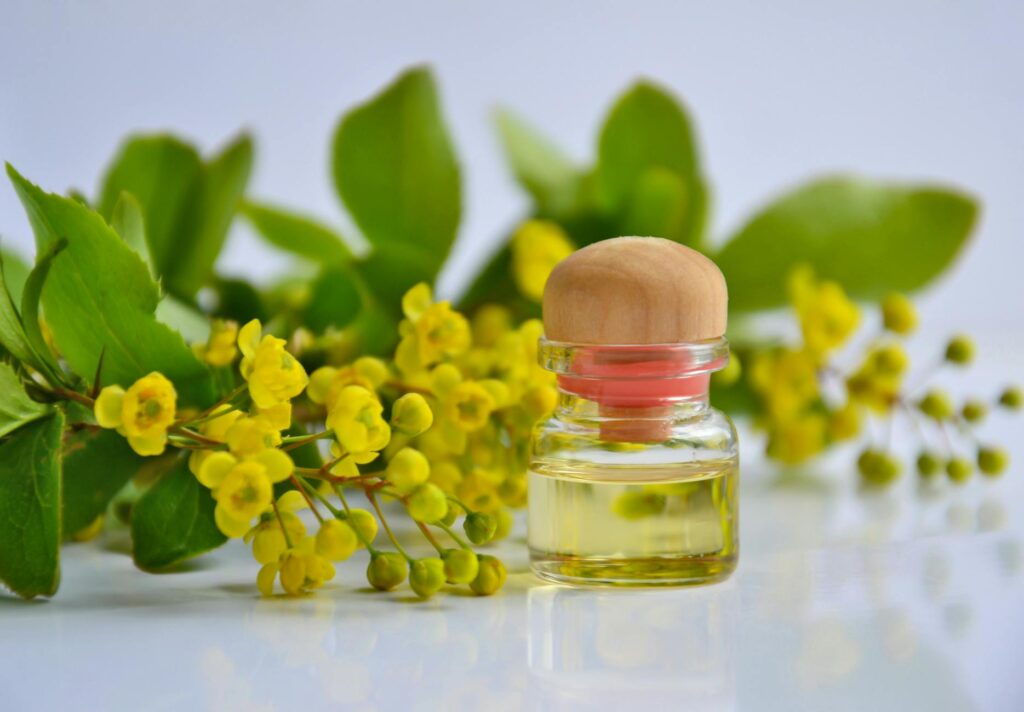
Complete Guide to Aromatherapy Blends for Digestive Health Part 4
Introduction
Aromatherapy, the therapeutic use of essential oils, has gained popularity as a holistic approach to enhancing well-being. Among its many applications, aromatherapy blends for digestive health have captured the interest of many individuals seeking natural methods to support their digestive systems. This article serves as an in-depth exploration of these blends, their benefits, and practical applications, providing a comprehensive resource for those interested in this aromatic path to wellness.
What Is Aromatherapy Blends for Digestive Health?
Aromatherapy blends for digestive health incorporate essential oils known for their beneficial properties related to the digestive system. These blends can be formulated from individual essential oils, each with unique characteristics that may help alleviate digestive discomfort, promote healthy digestion, or simply enhance overall gut health. Utilizing plants and their extracts, these blends harness the natural compounds found in essential oils to create synergies that can have a positive impact on digestive wellness.
The essential oils commonly used in these blends often include peppermint, ginger, fennel, and chamomile, among others. Each of these oils possesses distinct properties that lend themselves well to digestive health, making them ideal candidates for formulation.
Key Benefits and Properties
Aromatherapy blends targeting digestive health can provide a range of benefits, including:
1. Antispasmodic Properties: Oils such as peppermint and chamomile may help relieve spasms in the gastrointestinal tract, providing comfort during periods of discomfort.
2. Carminative Effects: Essential oils like fennel and ginger are known for their ability to reduce gas and bloating, promoting a more comfortable digestive experience.
3. Digestive Stimulation: Certain oils can stimulate digestive functions. For example, ginger is often used to promote digestion and may help with nausea.
4. Relaxation and Stress Relief: Stress can significantly impact digestive health. Oils such as lavender and bergamot can promote relaxation, potentially mitigating stress-related digestive issues.
5. Anti-inflammatory Effects: Some essential oils, like chamomile, are known for their anti-inflammatory properties, which can be beneficial for soothing digestive tract irritation.
6. Antimicrobial Properties: Certain oils possess antimicrobial effects that may support gut health by combating harmful bacteria. For instance, oregano oil is recognized for its potential to inhibit the growth of unwanted microorganisms.
Common Uses
Aromatherapy blends for digestive health can be utilized in various ways, including:
- Inhalation: Diffusing essential oils in the air or inhaling directly from the bottle can provide quick relief from digestive discomfort.
- Topical Application: Diluting essential oils in a carrier oil and applying them to the abdomen can create a soothing experience. This method allows for direct contact with the skin, enhancing absorption.
- Bathing: Adding diluted essential oils to a warm bath can create a soothing environment that promotes relaxation, indirectly benefiting digestive health.
- Massage: Incorporating aromatherapy blends into abdominal massage can stimulate digestion and relieve tension.
- Digestive Comfort Blend: A combination of peppermint, ginger, and fennel can be diffused to create an uplifting and soothing environment.
- Soothing Digestive Rub: Mix 3 drops of peppermint oil, 2 drops of ginger oil, and 1 tablespoon of carrier oil. Massage gently onto the abdomen.
- Digestive Bath Blend: Combine 5 drops of chamomile oil and 5 drops of lavender oil in a carrier oil before adding them to a warm bath.
- Calming Abdominal Massage Blend: Mix 2 drops of chamomile oil and 1 drop of fennel oil in a carrier oil and gently massage the abdomen.
- Keep Away from Light: Store essential oils in dark glass bottles to protect them from light exposure, which can degrade their quality.
- Cool, Dry Place: Keep oils in a cool, dry area away from heat sources to prolong shelf life.
- Seal Tightly: Ensure that bottles are tightly sealed to prevent evaporation and contamination.
- Shelf Life: While some essential oils can last for several years, others may have a shorter shelf life. Citrus oils, for example, typically have a shelf life of 1-2 years, while oils like sandalwood may last up to 5 years or more.
Aromatherapy Applications
To maximize the benefits of aromatherapy blends for digestive health, consider the following applications:
1. Diffusion
Using an essential oil diffuser can disperse aromatic molecules into the air, allowing for inhalation and promoting a calming atmosphere. Popular blends for digestive health may include:
2. Topical Application
Always dilute essential oils in a carrier oil (like sweet almond oil or coconut oil) before applying to the skin. A common recipe for abdominal application might include:
3. Bathing
Adding essential oils to bathwater can enhance relaxation while promoting digestive health. Create a bath blend with:
4. Massage
Incorporating aromatherapy into massage can provide both physical and emotional benefits. For a calming abdominal massage, consider:
Safety Considerations
While essential oils can offer numerous benefits, it is crucial to approach their use with caution. Consider the following safety guidelines:
1. Dilution: Always dilute essential oils in a carrier oil before topical application to prevent skin irritation.
2. Patch Testing: Conduct a patch test before applying a new essential oil blend to the skin to ensure no allergic reactions occur.
3. Quality of Oils: Use high-quality, pure essential oils from reputable sources to avoid contaminants and adulterants.
4. Pregnancy and Breastfeeding: Consult with a healthcare professional before using essential oils if pregnant or breastfeeding, as certain oils may not be safe during these periods.
5. Pre-existing Conditions: Individuals with specific health conditions or those taking medication should seek advice from a qualified professional before incorporating essential oils into their routine.
Storage and Shelf Life
To maintain the potency and effectiveness of essential oils, proper storage is essential. Here are some tips:
Frequently Asked Questions
1. Can aromatherapy blends replace traditional medicine for digestive issues?
Aromatherapy can be a complementary approach to overall wellness and may support digestive health; however, it should not be viewed as a replacement for medical treatment. Always consult with healthcare professionals for persistent digestive issues.
2. Are there any essential oils to avoid for digestive health?
Certain oils, such as sage and wintergreen, may not be recommended for digestive health due to their strong properties. It’s essential to research and consult with experts before using any new oils.
3. How can I create my own digestive health blend?
To create a personalized blend, start with a base oil like jojoba or sweet almond oil and add 3-5 drops of essential oils known for digestive benefits. Experiment with combinations, ensuring each oil is diluted to a safe concentration.
4. How often can I use aromatherapy blends for digestive health?
The frequency of use can vary based on individual preferences and responses. Generally, using blends daily or as needed is acceptable, but it’s wise to observe your body’s reactions and adjust accordingly.
5. Can children use essential oils for digestive health?
Children can benefit from aromatherapy, but they require specially diluted blends and specific oils appropriate for their age. Always consult with a qualified practitioner before introducing essential oils to children.
Conclusion
Aromatherapy blends for digestive health offer a natural and holistic approach to supporting the digestive system. Understanding the properties and applications of various essential oils can empower individuals to create and utilize their own blends effectively. However, as with any wellness practice, it is essential to approach aromatherapy with informed caution and respect for the powerful nature of essential oils. By incorporating these aromatic solutions into daily routines, individuals may find enhanced comfort and a greater sense of well-being.