
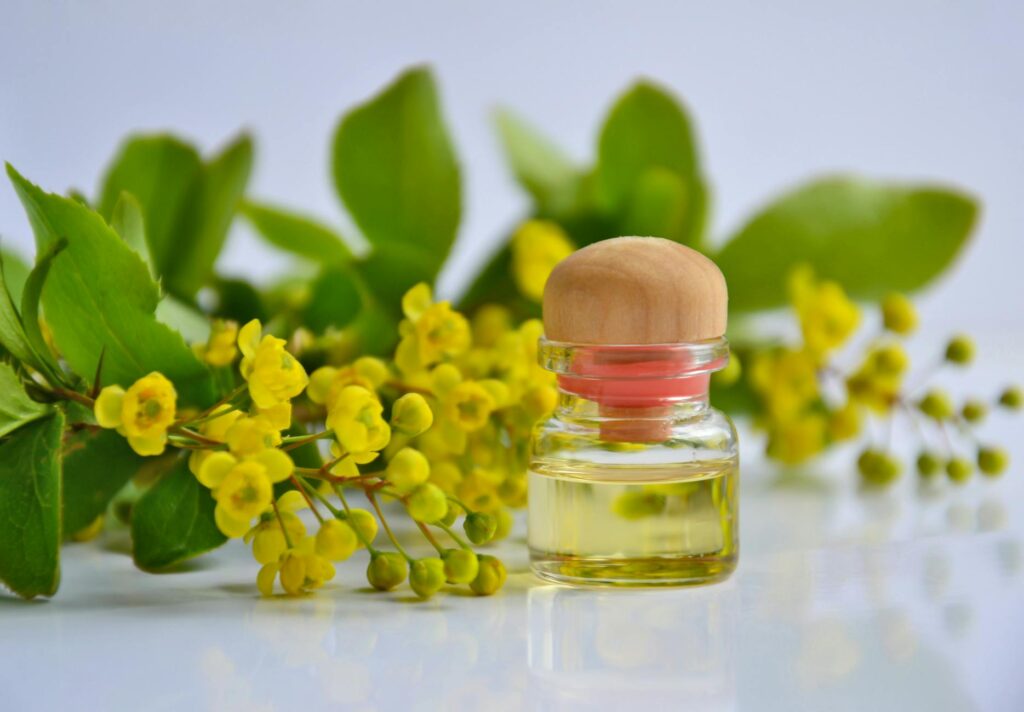
Complete Guide to Aromatherapy Blends for Digestive Health Part 5
Introduction
Aromatherapy, an ancient holistic practice, utilizes essential oils derived from plants to enhance physical and emotional well-being. Among its myriad applications, one of the most sought-after benefits is support for digestive health. This guide delves into the specific blends tailored for digestive wellness, exploring their properties, benefits, common uses, applications, safety considerations, and storage tips.
What Is Aromatherapy Blends for Digestive Health?
Aromatherapy blends for digestive health typically consist of essential oils known for their potential to alleviate digestive discomfort, promote healthy digestion, and support overall gastrointestinal function. These blends often incorporate oils that can soothe the digestive tract, stimulate appetite, and enhance the body’s natural processes related to digestion.
Common essential oils used in these blends include peppermint, ginger, fennel, and chamomile, each bringing unique properties that contribute to digestive wellness. Blending these oils with carrier oils or other complementary oils amplifies their benefits while ensuring safe application.
Key Benefits and Properties
The essential oils commonly used in digestive health blends exhibit various beneficial properties, including:
- Digestive Aid: Oils such as ginger and peppermint are known for their ability to relieve bloating, gas, and nausea. They may stimulate digestive juices and promote gut motility.
- Anti-inflammatory: Many oils, including chamomile and fennel, possess anti-inflammatory properties that can help soothe irritation in the digestive tract.
- Antimicrobial: Certain oils, like oregano and tea tree, can help combat harmful bacteria in the gut, supporting a balanced microbiome.
- Relaxation and Stress Relief: Stress often exacerbates digestive issues. Oils like lavender and bergamot can help reduce anxiety and promote relaxation, indirectly supporting digestive health.
- Peppermint Essential Oil: 5 drops
- Ginger Essential Oil: 3 drops
- Fennel Essential Oil: 2 drops
- Chamomile Essential Oil: 2 drops
- Carrier Oil (e.g., sweet almond or coconut oil): 30 ml
- Direct Inhalation: Place a few drops of the essential oil blend on a tissue and inhale deeply.
- Diffusion: Use an essential oil diffuser to disperse the aroma in a room, ideal for creating a calming atmosphere.
- Abdominal Massage: Dilute your essential oil blend with carrier oil (typically 2-3% dilution) and gently massage onto the abdomen in a clockwise direction to promote digestion.
- Digestive Relief Bath: Add 5-10 drops of your essential oil blend to a warm bath. The heat and aroma can enhance relaxation and digestive comfort.
- Dilution: Essential oils are potent and should always be diluted in a carrier oil before applying to the skin to prevent irritation.
- Skin Sensitivity: Conduct a patch test before using a new blend. Apply a small amount to a discreet area and wait 24 hours to check for any adverse reactions.
- Pregnancy and Nursing: Some essential oils are contraindicated during pregnancy or breastfeeding. Consultation with a qualified aromatherapist or healthcare provider is advised.
- Children and Pets: Certain oils can be harmful to children and pets. Always research the safety of specific oils before use.
- Quality of Oils: Use high-quality, therapeutic-grade essential oils from reputable suppliers to ensure safety and efficacy.
- Dark Glass Bottles: Store essential oils in dark glass containers to protect them from light, which can degrade their quality.
- Cool, Dry Place: Keep oils in a cool, dry environment, away from heat sources or direct sunlight to prevent oxidation.
- Tightly Sealed: Ensure that bottles are tightly sealed after each use to minimize exposure to air.
- Shelf Life: While essential oils can last for several years, their potency may diminish over time. Generally, citrus oils have a shorter shelf life (1-2 years), while oils like sandalwood or patchouli can last up to 10 years if stored properly.
Common Uses
Aromatherapy blends for digestive health can be employed in various ways, including:
1. Inhalation: Diffusing essential oils or inhaling them directly from a bottle can provide immediate relief from digestive discomfort.
2. Topical Application: Diluting essential oils in a carrier oil and massaging the blend onto the abdomen can help alleviate symptoms such as bloating or cramps.
3. Bathing: Adding essential oils to a warm bath can create a soothing environment, promoting relaxation and relieving digestive stress.
4. Personal Inhalers: Creating portable inhalers with essential oils can provide on-the-go relief during stressful situations that may impact digestion.
5. Hydration: Infusing water with essential oils (using food-grade oils) can provide a refreshing way to support digestion throughout the day.
Aromatherapy Applications
Creating Your Own Digestive Blend
While many pre-made blends are available, creating a personalized blend allows for tailored support. A simple recipe might include:
Instructions:
1. In a dark glass bottle, combine the essential oils.
2. Add the carrier oil and shake gently to mix.
3. Label the bottle with the date and contents.
Inhalation Techniques
Topical Application
Bathing
Safety Considerations
While aromatherapy is generally safe, there are several important safety considerations to keep in mind:
Storage and Shelf Life
Proper storage of essential oils is crucial for maintaining their potency and extending their shelf life. Consider the following tips:
Frequently Asked Questions
1. How often can I use aromatherapy blends for digestive health?
The frequency of use depends on the method of application. For inhalation, you may use it as needed. For topical application, 2-3 times daily is generally safe, provided the oils are diluted.
2. Can I use essential oils internally?
Not all essential oils are safe for internal use. Only use oils specifically labeled as food-grade under the guidance of a qualified practitioner.
3. Are there any essential oils I should avoid for digestive health?
Certain oils, such as those derived from strong herbs (like sage or clary sage), may have effects that are contraindicated for specific conditions. Always research the oils or consult an expert before use.
4. How can I tell if my essential oils have gone bad?
Signs of degradation may include a change in color, consistency, or smell. If the oil has a rancid or off odor, it’s best to discard it.
5. Can aromatherapy replace conventional treatments for digestive issues?
Aromatherapy can be a complementary approach but should not replace conventional medical treatment. Always consult with a healthcare provider for ongoing digestive concerns.
—
In conclusion, aromatherapy blends for digestive health offer a holistic approach to supporting digestive function. By understanding the properties and uses of essential oils, individuals can create personalized blends that enhance their well-being. Remember to prioritize safety and quality when exploring the benefits of these aromatic botanicals.