
Complete Guide to Aromatherapy Blends for Digestive Health Part 8
Introduction
Aromatherapy, the practice of utilizing essential oils from plants for therapeutic purposes, has gained popularity over the years for its potential benefits to physical and emotional health. Among the various applications of aromatherapy, digestive health is a prominent area of interest. This guide delves into the specific blends of essential oils that may support digestive wellness, exploring their properties, uses, and safety considerations.
What Is Aromatherapy Blends for Digestive Health?
Aromatherapy blends for digestive health consist of carefully selected essential oils that are believed to promote a healthy digestive system. These blends are formulated based on the properties of individual oils, which can aid in digestion, relieve discomfort, and enhance overall well-being. The concept is rooted in the idea that the scent and chemical constituents of essential oils can influence bodily functions and emotional states.
Common essential oils used in digestive health blends include peppermint, ginger, fennel, and chamomile, each known for their unique properties that may contribute to digestive support.
Key Benefits and Properties
Aromatherapy blends targeting digestive health are associated with several potential benefits:
1. Digestive Aid: Certain essential oils, like peppermint and ginger, are traditionally used to alleviate symptoms of indigestion, bloating, and gas. Their properties may help to stimulate digestive processes.
2. Anti-inflammatory Effects: Oils such as chamomile and fennel may possess anti-inflammatory properties, potentially reducing inflammation in the digestive tract.
3. Relaxation and Stress Relief: The emotional aspect of digestive health cannot be overlooked. Stress and anxiety can significantly impact digestion. Oils like lavender and bergamot are known for their calming effects, which may help ease digestive discomfort linked to stress.
4. Antimicrobial Properties: Some essential oils, particularly oregano and thyme, exhibit antimicrobial properties, which may support gut health by inhibiting harmful bacteria.
5. Nausea Relief: Aromatherapy blends containing ginger or peppermint are often used to alleviate feelings of nausea, making them particularly useful during travel or illness.
Common Uses
Aromatherapy blends for digestive health can be utilized in a variety of ways:
- Inhalation: One of the simplest methods is to inhale the aroma directly from the bottle or through a diffuser. This method allows for quick absorption of the essential oils into the bloodstream and can provide immediate relief from symptoms.
- Topical Application: Essential oils can be diluted with a carrier oil and massaged onto the abdomen. This method may promote localized relief from discomfort and enhance the absorption of the oils through the skin.
- Bathing: Adding essential oils to a warm bath can create a soothing experience. This method combines inhalation and topical application, allowing the oils to interact with the skin and senses simultaneously.
- Ingestion: While some essential oils are safe for culinary use, it is crucial to exercise caution. Only oils labeled as food-safe should be ingested, and it is advisable to consult with a qualified professional before doing so.
- 3 drops of peppermint essential oil
- 2 drops of ginger essential oil
- 2 drops of chamomile essential oil
- 1 teaspoon of carrier oil (e.g., sweet almond oil)
- 4 drops of ginger essential oil
- 4 drops of peppermint essential oil
- 1 drop of lemon essential oil
- 3 drops of fennel essential oil
- 2 drops of cardamom essential oil
- 2 drops of coriander essential oil
- Dilution: Always dilute essential oils with a carrier oil before applying them to the skin to reduce the risk of irritation or adverse reactions.
- Quality of Oils: Use high-quality, pure essential oils from reputable sources to ensure safety and efficacy.
- Allergies and Sensitivities: Conduct a patch test before using a new essential oil to check for allergic reactions. If you experience irritation or discomfort, discontinue use.
- Pregnancy and Medical Conditions: Certain essential oils may not be safe for pregnant individuals or those with specific medical conditions. Always consult a healthcare professional when in doubt.
- Children and Pets: Some essential oils are not suitable for children or pets. Research the safety of each oil before use in these populations.
- Cool, Dark Place: Store essential oils in a cool, dark location away from direct sunlight and heat sources, which can degrade their quality.
- Tightly Sealed Containers: Ensure that bottles are tightly sealed to prevent oxidation and evaporation.
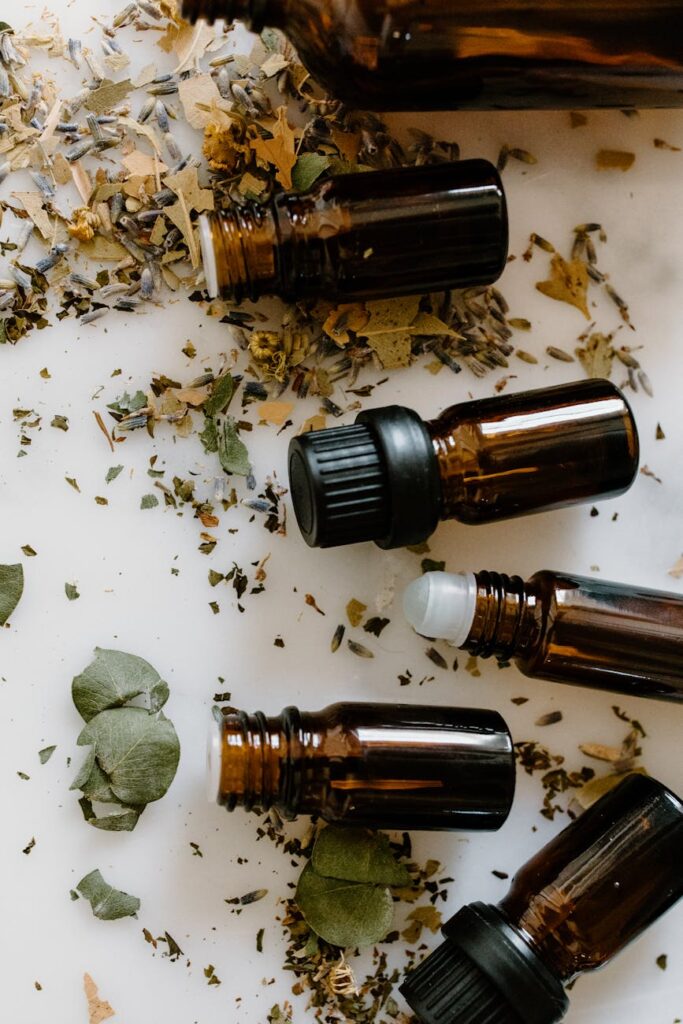
- Glass Containers: Use dark glass bottles for storage, as they protect the oils from light damage. Avoid plastic containers, as some oils can break down plastic.
- Shelf Life: The shelf life of essential oils varies. Most oils can last between 1 to 5 years, while citrus oils tend to have a shorter shelf life. Regularly check for changes in aroma, consistency, or color.
Aromatherapy Applications
When creating or using aromatherapy blends for digestive health, consider the following applications:
1. Relaxing Digestive Blend
Ingredients:
Application: Dilute the essential oils in the carrier oil and gently massage onto the abdomen in a clockwise direction. This blend may help relieve cramping and promote relaxation.
2. Nausea Relief Blend
Ingredients:
Application: Inhale the blend directly from the bottle or diffuse in a space where nausea is felt. This combination may help alleviate feelings of nausea and promote a sense of well-being.
3. Bloating Relief Blend
Ingredients:
Application: Mix the oils in a diffuser or blend with a carrier oil for topical application. The calming scents may help soothe digestive discomfort associated with bloating.
Safety Considerations
While aromatherapy can offer various benefits, safety is paramount. Here are some key points to consider:
Storage and Shelf Life
Proper storage of essential oils is crucial for maintaining their potency and effectiveness. Here are some tips for storage:
Frequently Asked Questions
1. Can aromatherapy completely cure digestive issues?
Aromatherapy should not be seen as a cure but rather as a complementary approach to support digestive health. It may assist in alleviating symptoms and enhancing well-being but should be used alongside other health practices.
2. Is it safe to use essential oils during pregnancy?
Some essential oils are not recommended during pregnancy due to their potential effects. Always consult with a healthcare professional for personalized advice.
3. How do I choose the right essential oil for my digestive issues?
Selecting the right essential oil depends on your specific symptoms. For instance, peppermint may be ideal for nausea, while ginger can help with general digestive support. Research and consider consulting with an aromatherapy expert for tailored recommendations.
4. Can essential oils interact with medications?
Essential oils can interact with certain medications, so it’s essential to consult with a healthcare professional before using them, especially if you are on medication.
5. How often can I use aromatherapy blends for digestive health?
Frequency of use may vary based on individual needs and sensitivities. Start with a moderate application, and if well-tolerated, you can adjust the frequency as desired.
Conclusion
Aromatherapy blends for digestive health offer a natural and holistic approach to supporting well-being. By understanding the properties, common uses, and safety considerations of various essential oils, individuals can harness the benefits of these fragrant botanicals. As with any wellness practice, it is essential to approach aromatherapy with informed awareness and a balanced perspective.