
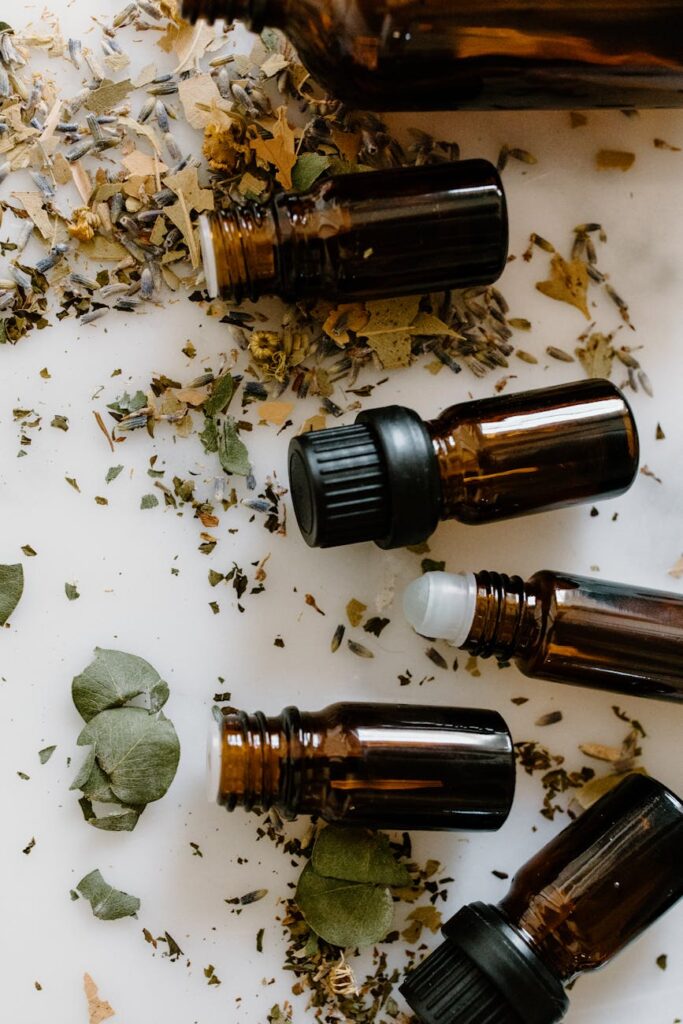
Complete Guide to Aromatherapy Blends for Digestive Health
Introduction
Aromatherapy, the practice of using essential oils extracted from plants for therapeutic purposes, has gained popularity as a complementary approach to various health concerns, including digestive health. This guide aims to provide a comprehensive overview of aromatherapy blends specifically tailored to support digestive functions. Through an exploration of key benefits, common uses, and practical applications, readers will gain valuable insights into how these natural fragrances can enhance well-being.
What Is Aromatherapy Blends for Digestive Health?
Aromatherapy blends for digestive health involve the combination of specific essential oils known for their beneficial properties related to the digestive system. These blends can help alleviate discomfort, promote relaxation, and improve overall digestive function. The blends are typically created using oils that are selected for their ability to soothe, stimulate, or balance the digestive processes.
Common essential oils used in these blends include peppermint, ginger, fennel, and chamomile, among others. Each oil brings its unique characteristics, allowing for customization based on individual preferences and needs.
Key Benefits and Properties
1. Digestive Support: Many essential oils possess properties that can assist in digestion. For example, peppermint oil is known to help relax the muscles of the gastrointestinal tract, potentially relieving bloating and gas.
2. Anti-inflammatory Effects: Certain oils, such as ginger and chamomile, have anti-inflammatory properties that may help reduce irritation and discomfort in the digestive tract.
3. Relaxation and Stress Relief: Stress can have a significant impact on digestion. Aromatherapy can promote relaxation, reducing stress levels that may contribute to digestive issues. Oils like lavender and bergamot are commonly used for their calming effects.
4. Nausea Relief: Essential oils such as ginger and peppermint are often used to alleviate feelings of nausea and support overall digestive comfort.
5. Enhancing Appetite: Some blends can stimulate appetite, making them helpful for those experiencing a lack of desire to eat.
Common Uses
Aromatherapy blends for digestive health can be utilized in various ways, including:
- Inhalation: Simply inhaling the aroma of essential oils can provide immediate relief. This can be done by adding a few drops of oil to a diffuser or simply inhaling directly from the bottle.
- Topical Application: Blending essential oils with a carrier oil (such as jojoba or coconut oil) allows for safe topical application. This method is particularly effective for localized discomfort, such as bloating or cramping.
- Bath Soaks: Adding essential oils to a warm bath can create a relaxing environment while promoting digestive health.
- Massage: Incorporating aromatherapy oils into a massage can enhance relaxation and relieve tension in the abdominal area.
- Ingredients: 3 drops of peppermint oil, 2 drops of ginger oil, 2 drops of fennel oil, 1 tablespoon of carrier oil.
- Application: Mix the oils and gently massage onto the abdomen in a clockwise direction.
- Ingredients: 2 drops of chamomile oil, 2 drops of lavender oil, 1 drop of bergamot oil, 1 tablespoon of carrier oil.
- Application: Use in a diffuser or apply topically to promote relaxation.
- Ingredients: 3 drops of ginger oil, 3 drops of peppermint oil.
- Application: Inhale directly from the bottle or diffuse in a room.
- Ingredients: 2 drops of sweet orange oil, 2 drops of ginger oil.
- Application: Diffuse or inhale before meals to encourage appetite.
- Diffusion: Use an essential oil diffuser to disperse the blend into the air.
- Inhalation: Place a few drops on a cotton ball or tissue and inhale as needed.
- Bathing: Mix oils with a carrier oil and add to bath water for a soothing experience.
- Compress: Create a warm compress by diluting essential oils in water and applying it to the abdomen.
- Dilution: Always dilute essential oils with a carrier oil before applying them to the skin to prevent irritation.
- Patch Test: Conduct a patch test on a small area of skin to check for any allergic reactions before full application.
- Pregnancy and Nursing: Pregnant or nursing individuals should consult a healthcare provider before using essential oils.
- Children and Pets: Some essential oils may not be suitable for children or pets. Research specific oils before use around them.
- Medical Conditions: Individuals with specific medical conditions or taking medications should consult a healthcare professional prior to using essential oils.
- Cool, Dark Place: Store essential oils in a cool, dark place away from direct sunlight to prevent degradation.
- Tightly Sealed Containers: Ensure that bottles are tightly sealed to avoid evaporation and contamination.
- Shelf Life: Most essential oils have a shelf life of 1-3 years, depending on the type of oil and storage conditions. Citrus oils tend to have a shorter shelf life, while oils like patchouli may improve with age.
Aromatherapy Applications
Essential Oil Blends for Digestive Health
1. Digestive Ease Blend:
2. Calming Digestive Blend:
3. Nausea Relief Blend:
4. Appetite Stimulant Blend:
Methods of Use
Safety Considerations
While aromatherapy is generally safe, it is essential to consider the following precautions:
Storage and Shelf Life
Proper storage of essential oils is crucial to maintain their quality and efficacy. Here are some guidelines:
Frequently Asked Questions
1. Can I use essential oils internally for digestive health?
While some essential oils are safe for internal use, it is crucial to consult a healthcare provider before considering this method. Many essential oils are potent and may cause adverse effects if ingested.
2. How often can I use aromatherapy blends for digestive issues?
The frequency of use can vary based on individual needs. Generally, these blends can be used multiple times a day, but it is advisable to listen to your body and adjust accordingly.
3. Are there any essential oils that should be avoided for digestive health?
Certain oils, such as sage and thyme, may irritate the digestive system and should be used with caution. Always research the properties of an oil before use.
4. Can I make my own blends at home?
Yes, creating your own blends at home is a popular practice. Start with a few drops of essential oils known for their digestive benefits and adjust the ratios to suit your preferences.
5. How can I incorporate aromatherapy into my daily routine?
Incorporate aromatherapy by using essential oil diffusers, adding oils to bath water, or applying diluted blends during self-massage. Consistency can enhance the benefits over time.
Conclusion
Aromatherapy blends for digestive health offer a natural, holistic approach to supporting and enhancing digestive functions. By understanding the key benefits, common uses, and safety considerations, individuals can effectively integrate these aromatic solutions into their wellness routines. However, it is essential to approach their use with care and knowledge to maximize their benefits while minimizing risks. As with any complementary health practice, the journey toward digestive wellness is best undertaken with mindfulness and an informed perspective.