
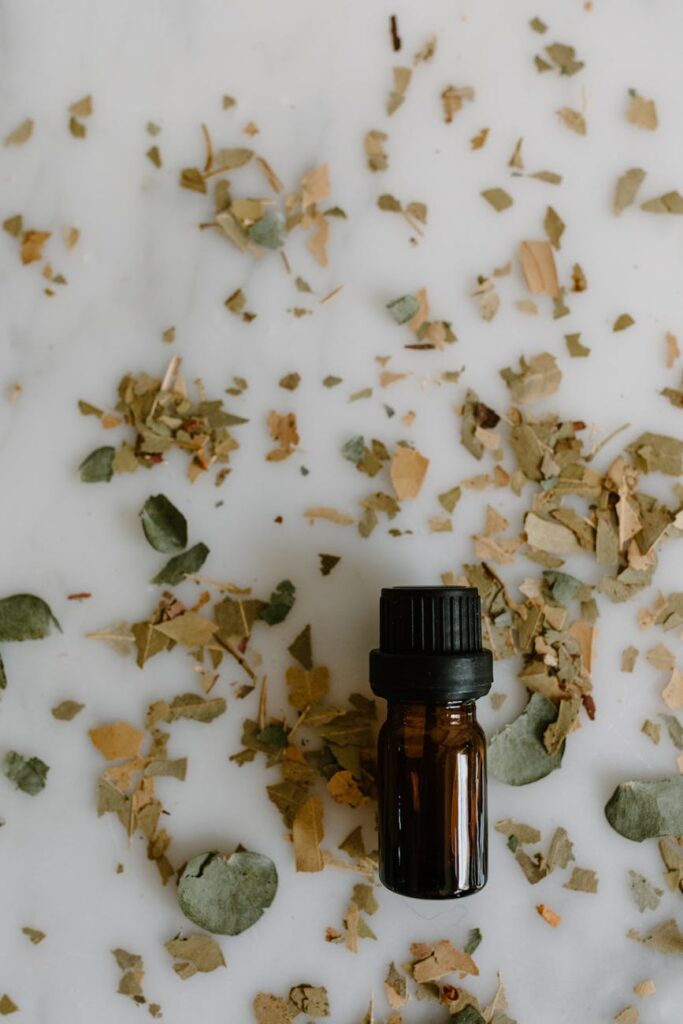
Complete Guide to Aromatherapy Blends for Digestive Support
Introduction
Aromatherapy, the practice of using essential oils for therapeutic purposes, has gained popularity as a holistic approach to wellness. Among its various applications, the use of aromatherapy blends for digestive support is particularly noteworthy. These blends can be tailored to address a range of digestive issues, from simple discomfort to more complex gastrointestinal challenges. This guide aims to provide an in-depth understanding of the essential oils commonly used for digestive support, their benefits, and how to use them effectively.
What Is Aromatherapy Blends for Digestive Support?
Aromatherapy blends for digestive support consist of combinations of essential oils selected for their properties that may help alleviate digestive discomfort and promote overall gastrointestinal health. These blends can be used in various ways, including inhalation, topical application, or through diffusion. The essential oils chosen for these blends often possess carminative, anti-inflammatory, or soothing properties, contributing to their effectiveness in supporting digestive functions.
Key Benefits and Properties
Aromatherapy blends for digestive support can offer various benefits, including:
1. Carminative Effects: Certain essential oils, such as peppermint and fennel, can help relieve gas and bloating by promoting the expulsion of gas from the digestive tract.
2. Anti-inflammatory Properties: Oils like ginger and chamomile may help reduce inflammation in the gastrointestinal system, providing relief from discomfort.
3. Soothing Effects: Lavender and bergamot are known for their calming properties, which can help ease stress-related digestive issues.
4. Antimicrobial Activity: Essential oils such as tea tree and oregano may have antimicrobial properties, potentially supporting gut health by inhibiting harmful bacteria.
5. Digestive Stimulation: Oils like lemon and coriander can stimulate digestive juices and enhance overall digestive function.
Common Uses
Aromatherapy blends for digestive support can be beneficial for a variety of digestive issues, including:
- Indigestion: The discomfort from bloating, gas, or a heavy feeling after meals.
- Nausea: Feelings of unease in the stomach, often accompanied by the urge to vomit.
- Constipation: Difficulty in passing stools, which may be alleviated by certain essential oils.
- Diarrhea: Loose or watery stools, which can sometimes be soothed by specific blends.
- Stress-Related Digestive Issues: Stress can exacerbate digestive problems, and calming blends may help mitigate this impact.
- Diffusion: Use a diffuser to disperse the essential oils into the air. This method is beneficial for creating a calming environment, which may help alleviate stress that can impact digestion.
- Steam Inhalation: Add a few drops of essential oil to a bowl of hot water, cover your head with a towel, and inhale the steam. This technique can be particularly soothing for nausea.
- Massage: Dilute essential oils with a carrier oil (such as jojoba or sweet almond oil) and massage the blend into the abdomen in a clockwise motion. This can help relieve discomfort and promote digestion.
- Warm Compress: Add essential oils to a warm compress and apply it to the abdomen. The warmth combined with the aromatic properties of the oils can provide a soothing effect.
- Bath Soak: Add a few drops of essential oils mixed with a dispersing agent (like Epsom salts) to your bath water. The warm water and aromas can help relax the body and ease digestive discomfort.
- Dilution: Essential oils are highly concentrated and should be diluted with a carrier oil before topical application to prevent skin irritation.
- Patch Testing: Always conduct a patch test by applying a small amount of diluted oil to a small area of skin to check for allergic reactions.
- Pregnancy and Nursing: Some essential oils may not be suitable during pregnancy or while breastfeeding. Consult with a healthcare provider for recommendations.
- Pre-existing Conditions: Individuals with certain health conditions, particularly those affecting the digestive system, should consult with a healthcare professional before using essential oils.
- Quality of Oils: Use high-quality, pure essential oils from reputable sources to ensure safety and efficacy.
- Cool, Dark Place: Store essential oils in a cool, dark place away from direct sunlight, which can degrade their potency.
- Tightly Sealed Containers: Ensure that bottles are tightly sealed to minimize exposure to air, which can lead to oxidation.
- Shelf Life: Most essential oils have a shelf life of 1 to 3 years, depending on the oil. Citrus oils typically have a shorter shelf life compared to oils like patchouli or sandalwood.
Aromatherapy Applications
There are several methods for applying aromatherapy blends for digestive support:
1. Inhalation
2. Topical Application
3. Bathing
4. Ingestion (with Caution)
While some essential oils can be ingested, this method should be approached with caution and under the guidance of a qualified professional. Always ensure that the essential oils used are food-grade and safe for consumption.
Safety Considerations
When using essential oils, safety is paramount. Consider the following guidelines:
Storage and Shelf Life
Proper storage is essential for maintaining the quality of essential oils. Here are some tips:
Frequently Asked Questions
1. Can I create my own blends for digestive support?
Yes, you can create your own blends by mixing essential oils known for their digestive benefits. However, consult reputable sources for recommended ratios and combinations.
2. How often can I use aromatherapy for digestive support?
The frequency of use can vary based on individual needs and preferences. Some may benefit from daily use, while others may find it helpful to use it only when symptoms arise.
3. Are there any essential oils that should be avoided for digestive support?
Certain essential oils, such as those that are highly irritating (like cinnamon bark and clove), should be used with caution or avoided altogether in digestive blends.
4. Can children use aromatherapy blends for digestive support?
Children can use aromatherapy, but it is crucial to dilute essential oils more than for adults and to select oils that are safe for their age group. Always consult with a healthcare provider.
5. What if I have an adverse reaction to an essential oil?
If you experience any adverse reactions, discontinue use immediately and consult with a healthcare professional if symptoms persist.
Conclusion
Aromatherapy blends for digestive support offer a natural and holistic approach to promoting gastrointestinal health. By understanding the properties of different essential oils and how to use them effectively, individuals can create personalized blends that may enhance their well-being. Always prioritize safety and quality when using essential oils, and consider consulting with a qualified professional for tailored guidance.