
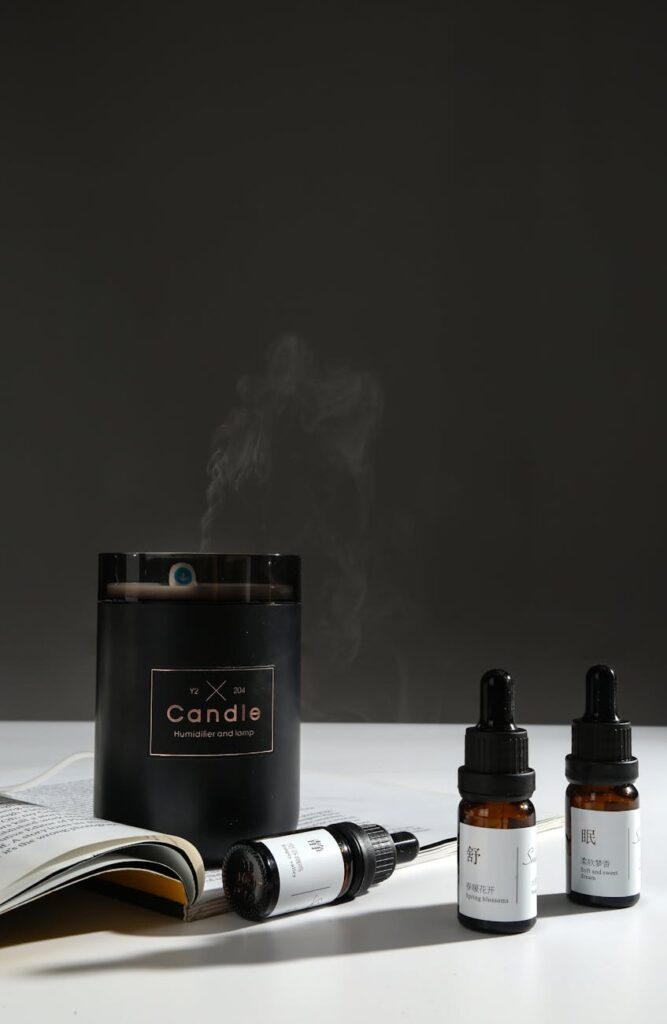
Complete Guide to Aromatherapy Blends for Emotional Balance Part 1
Introduction
Aromatherapy is an ancient practice that utilizes the natural properties of essential oils to promote emotional and physical well-being. By harnessing the aromatic qualities of various plants, individuals can create blends specifically designed to foster emotional balance. This guide aims to explore the components, benefits, applications, and considerations surrounding aromatherapy blends for emotional balance, providing readers with a comprehensive understanding of this holistic approach.
What Is Aromatherapy Blends for Emotional Balance?
Aromatherapy blends for emotional balance are combinations of essential oils formulated to support mental and emotional health. Each essential oil carries its unique properties, and when combined, they can enhance one another’s effects, creating a synergistic blend. These blends can be used to alleviate stress, promote relaxation, uplift moods, and foster feelings of tranquility.
Essential oils are extracted from various parts of plants, including leaves, flowers, bark, and roots, and are known for their potent aromas and therapeutic properties. By selecting specific oils, individuals can craft blends tailored to their emotional needs, helping to restore balance and enhance overall well-being.
Key Benefits and Properties
The benefits of aromatherapy blends for emotional balance are both broad and profound. Some of the key benefits include:
1. Stress Reduction: Many essential oils have calming properties that can help reduce stress and anxiety levels. Oils like lavender and chamomile are often included in blends for their soothing effects.
2. Mood Enhancement: Certain oils, such as citrus oils like bergamot and sweet orange, are known for their uplifting qualities, which can help to alleviate feelings of sadness or depression.
3. Emotional Clarity: Oils like frankincense and sandalwood are believed to promote mindfulness and emotional clarity, helping individuals process their feelings more effectively.
4. Relaxation: Blends that include oils such as ylang-ylang and melissa can promote a sense of tranquility, making them suitable for use in meditation or deep relaxation practices.
5. Support for Sleep: Many blends are designed to promote restful sleep, incorporating oils like cedarwood and vetiver, which are known for their grounding properties.
Common Uses
Aromatherapy blends for emotional balance can be employed in various ways, each tailored to the individual’s preferences and circumstances. Common uses include:
- Diffusion: Adding a few drops of the blend to a diffuser disperses the aroma throughout a room, creating a calming or uplifting atmosphere.
- Topical Application: Diluting essential oils in a carrier oil and applying them to pulse points, such as wrists or behind the ears, can provide localized benefits.
- Bathing: Incorporating essential oil blends into bath water can create a soothing experience, allowing individuals to unwind and relax.
- Inhalation: Directly inhaling the aroma from a bottle or a cotton ball can provide immediate emotional support, especially in moments of stress.
- Massage: Using aromatherapy blends in a massage oil can enhance the effects of touch therapy, promoting relaxation and emotional release.
- Electric Diffusers: These devices heat the essential oils gently, dispersing them into the air for extended periods. They are suitable for continuous use in homes or offices.
- Nebulizing Diffusers: These diffusers utilize a high-velocity air stream to break down oils into a fine mist, providing a more concentrated aroma.
- Personal Inhalers: Small tubes filled with a cotton wick saturated with essential oils can be carried around and used as needed.
- Roller Bottles: Pre-mixed blends in roller bottles offer easy application on pulse points, ideal for on-the-go emotional support.
- Massage Oils: Diluting essential oils in a carrier oil (such as jojoba or sweet almond oil) allows for safe topical use during self-massage or professional treatments.
- Storage Conditions: Keep essential oils in a cool, dark place, away from direct sunlight and heat sources. A cabinet or a dedicated storage box is ideal.
- Containers: Store oils in dark glass bottles, preferably amber or cobalt blue, to protect them from light degradation.
- Shelf Life: Most essential oils have a shelf life of 1 to 2 years, although some oils, like sandalwood and patchouli, can last much longer if stored correctly. It is essential to check for changes in smell or consistency as indicators of spoilage.
Aromatherapy Applications
When creating and using aromatherapy blends for emotional balance, there are various methods to consider:
Blending Techniques
1. Basic Blending: Combine 2-3 essential oils that complement each other based on their properties. For example, pairing lavender with bergamot can create a relaxing yet uplifting blend.
2. Layering: Apply different blends at different times to achieve specific emotional effects. This technique allows for a tailored approach based on the individual’s needs throughout the day.
3. Complex Blends: Create intricate blends by incorporating multiple essential oils, focusing on a particular emotional goal. For instance, a blend for emotional clarity may include frankincense, rosemary, and peppermint.
Diffusion Methods
Topical Applications
Safety Considerations
While aromatherapy is generally considered safe, there are essential safety considerations to keep in mind:
1. Dilution: Essential oils are highly concentrated and should be diluted with a carrier oil before topical application to avoid skin irritation.
2. Allergies and Sensitivities: Individuals should perform a patch test before using a new blend to check for allergic reactions or sensitivities.
3. Pregnancy and Medical Conditions: Pregnant individuals and those with specific medical conditions should consult a qualified professional before using essential oils.
4. Quality of Oils: The purity and quality of essential oils can vary significantly. It is advisable to source oils from reputable suppliers to ensure their safety and effectiveness.
5. Children and Pets: Certain essential oils may not be safe for use around children or pets. Research and caution are necessary when selecting oils for shared environments.
Storage and Shelf Life
Proper storage of essential oils is crucial to maintain their potency and effectiveness. Here are some guidelines:
Frequently Asked Questions
1. Can I create my own blends at home?
Yes, creating your own blends is encouraged! Start with a few essential oils and experiment with different combinations until you find a blend that resonates with you.
2. How do I know which oils to choose for emotional balance?
Consider your emotional needs and research the properties of different essential oils. For example, if you’re feeling anxious, oils such as lavender or chamomile may be beneficial.
3. How often can I use aromatherapy blends?
Aromatherapy blends can be used as often as needed, but it’s advisable to monitor your body’s responses and adjust usage accordingly.
4. Are there any oils to avoid for emotional blends?
Certain essential oils may be too stimulating or may not be safe for everyone. Always research oils before use, especially if you have pre-existing health conditions.
5. Can aromatherapy replace traditional therapies?
Aromatherapy should be considered a complementary approach to emotional well-being rather than a replacement for professional mental health treatment.
—
This guide provides a foundational understanding of aromatherapy blends for emotional balance. By exploring the various aspects of essential oils, individuals can cultivate a personalized approach to enhancing their emotional well-being. In Part 2, we will delve deeper into specific blends and their applications for different emotional states. Stay tuned for more insights into the world of aromatherapy!