
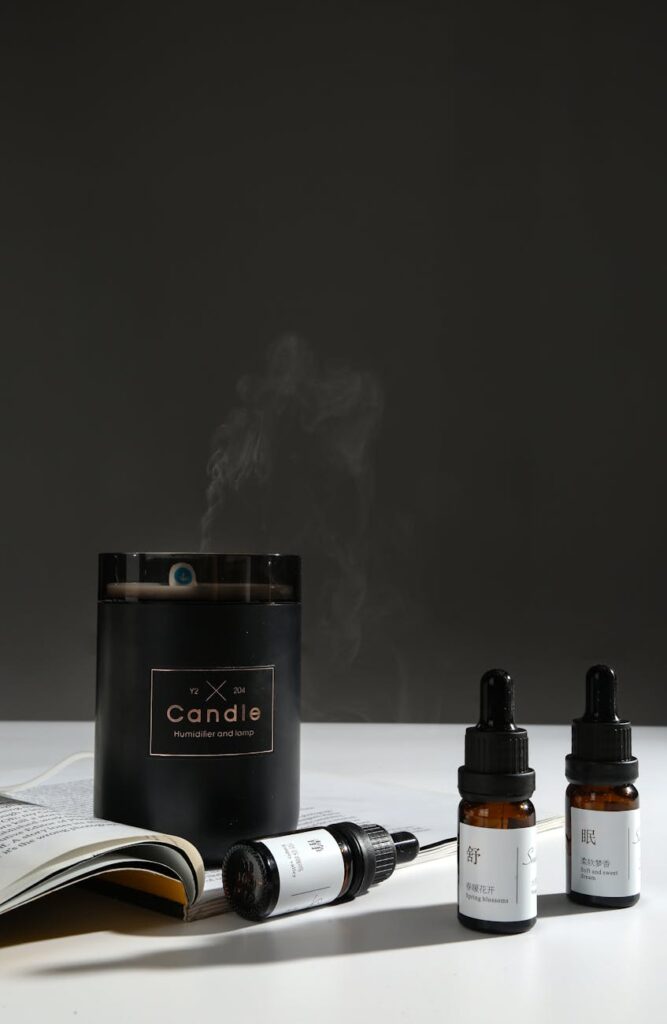
Complete Guide to Aromatherapy Blends for Emotional Balance Part 6
Introduction
Aromatherapy is an ancient practice that utilizes the therapeutic properties of essential oils to promote emotional, mental, and physical well-being. In this sixth installment of our series on aromatherapy blends for emotional balance, we delve into various blends specifically designed to support emotional stability, enhance mood, and foster a sense of tranquility. Understanding these blends can empower individuals to navigate the complexities of their emotions more effectively.
What Is Aromatherapy Blends for Emotional Balance?
Aromatherapy blends for emotional balance consist of carefully selected essential oils combined to create a synergistic effect that can help stabilize emotions. These blends often target specific emotional states such as anxiety, stress, depression, or fatigue. Each essential oil possesses unique properties that contribute to the overall effect of the blend, making it essential to select oils that complement each other.
The practice of blending essential oils involves not only understanding their individual benefits but also recognizing how they interact with one another. This balance can be achieved through various methods, including diffusing oils, topical application, or incorporating them into bath products.
Key Benefits and Properties
The benefits of using aromatherapy blends for emotional balance are vast and varied. Here are some key properties associated with common essential oils used in these blends:
1. Lavender (Lavandula angustifolia): Renowned for its calming properties, lavender can help reduce anxiety and promote restful sleep. It is often used in blends aimed at relaxation and stress relief.
2. Bergamot (Citrus bergamia): This citrus oil is uplifting and can help alleviate feelings of sadness and anxiety. Its refreshing scent can boost mood and energy levels.
3. Ylang Ylang (Cananga odorata): Known for its sweet floral aroma, ylang ylang has been shown to reduce stress and promote feelings of joy and love.
4. Frankincense (Boswellia carterii): Often associated with spiritual practices, frankincense can help ground emotions and promote a sense of peace and calm.
5. Peppermint (Mentha piperita): This invigorating oil can help clear the mind and improve focus, making it useful in blends designed to combat fatigue and enhance clarity.
6. Geranium (Pelargonium graveolens): Geranium oil is known for its balancing properties, helping to regulate emotions and bring a sense of emotional stability.
Common Uses
Aromatherapy blends for emotional balance can be employed in various contexts, including:
- Stress Relief: Many individuals use specific blends to unwind after a long day or during challenging moments.
- Mood Enhancement: Certain blends designed to uplift spirits can be diffused or applied before engaging in social events or public speaking.
- Relaxation and Sleep: Calming blends are often used before bedtime to promote restful sleep and ease nighttime anxiety.
- Meditation and Mindfulness: Essential oil blends can enhance meditation practices by creating a calming atmosphere and promoting mental clarity.
- Ultrasonic Diffusers: These devices use water and vibrations to disperse essential oils into the air, creating a fine mist that can fill a room with fragrance.
- Nebulizing Diffusers: These work by breaking down essential oils into smaller particles, providing a more concentrated aroma without the use of water.
- Dilution Ratio: A common dilution ratio is 2-3 drops of essential oil per teaspoon of carrier oil.
- Pulse Points: Applying blends to pulse points (such as wrists, neck, and behind ears) can enhance their effects.
- Bath Salts: Combine essential oils with Epsom salts or sea salts for a relaxing bath experience.
- Bath Oils: Mix essential oils with a carrier oil before adding them to the bath to prevent them from floating on the surface.
- Skin Sensitivity: Essential oils can cause allergic reactions for some individuals. It is advisable to conduct a patch test before applying any new oil to the skin.
- Pregnancy and Nursing: Some essential oils are contraindicated during pregnancy or nursing. Always consult a qualified professional for guidance in these situations.
- Children and Pets: Specific oils can be harmful to children and pets. It is crucial to research and select appropriate oils if you have young children or animals in your household.
- Quality of Oils: Ensure that you are using high-quality, pure essential oils from reputable sources, as synthetic or adulterated oils may have harmful effects.
- Containers: Store essential oils in dark glass bottles to protect them from light, which can degrade their quality.
- Temperature: Keep oils in a cool, dry place, away from direct sunlight and heat.
- Shelf Life: The shelf life of essential oils varies, with citrus oils typically lasting 1-2 years, while others like sandalwood or patchouli may last for several years. Always check for changes in scent or viscosity, which may indicate spoilage.
Aromatherapy Applications
There are several methods of applying aromatherapy blends for emotional balance, each with its unique benefits:
1. Diffusion
Using an essential oil diffuser is one of the most popular methods for dispersing aromatherapy blends into the air. This method allows the oils to be inhaled, promoting their therapeutic effects. Here are some tips for diffusion:
2. Topical Application
When applied to the skin, essential oils can be absorbed into the bloodstream, allowing for immediate benefits. However, it is essential to dilute essential oils with a carrier oil (such as jojoba, coconut, or almond oil) to prevent skin irritation. Here’s a simple guide for topical application:
3. Bathing
Adding essential oils to bathwater is a soothing way to experience aromatherapy. The warm water helps to disperse the oils and allows for both inhalation and skin absorption. Consider the following:
4. Inhalation
Inhaling essential oils directly from the bottle or from a cotton ball can provide immediate emotional support. This method is particularly useful for on-the-go moments of stress or anxiety.
Safety Considerations
While aromatherapy can be beneficial, it’s essential to approach it with care. Here are some important safety considerations:
Storage and Shelf Life
Proper storage of essential oils is crucial to preserving their potency and effectiveness. Here are some guidelines:
Frequently Asked Questions
1. Can I create my own blends for emotional balance?
Yes, creating personalized blends can be a rewarding experience. Consider your emotional needs and experiment with different combinations of essential oils to find what resonates best with you.
2. How long does the effect of aromatherapy last?
The effects of aromatherapy can vary based on individual responses and the method of application. Generally, inhalation provides immediate effects, while topical applications may provide longer-lasting benefits.
3. Are there any essential oils to avoid?
Certain essential oils, such as wintergreen and camphor, should be avoided in large quantities, as they can be toxic if ingested. Always conduct thorough research before using any new oil.
4. Can I use essential oils with other holistic practices?
Aromatherapy blends can complement various holistic practices, including yoga, meditation, and massage therapy. However, it is advisable to consult with a qualified practitioner to ensure compatibility.
Conclusion
Aromatherapy blends for emotional balance offer a powerful tool for enhancing well-being and navigating the complexities of emotional health. By understanding the properties of essential oils and their applications, individuals can empower themselves to create supportive environments that foster emotional resilience. As with any holistic practice, a mindful approach to choosing and using these blends can lead to a more harmonious and balanced state of being.