
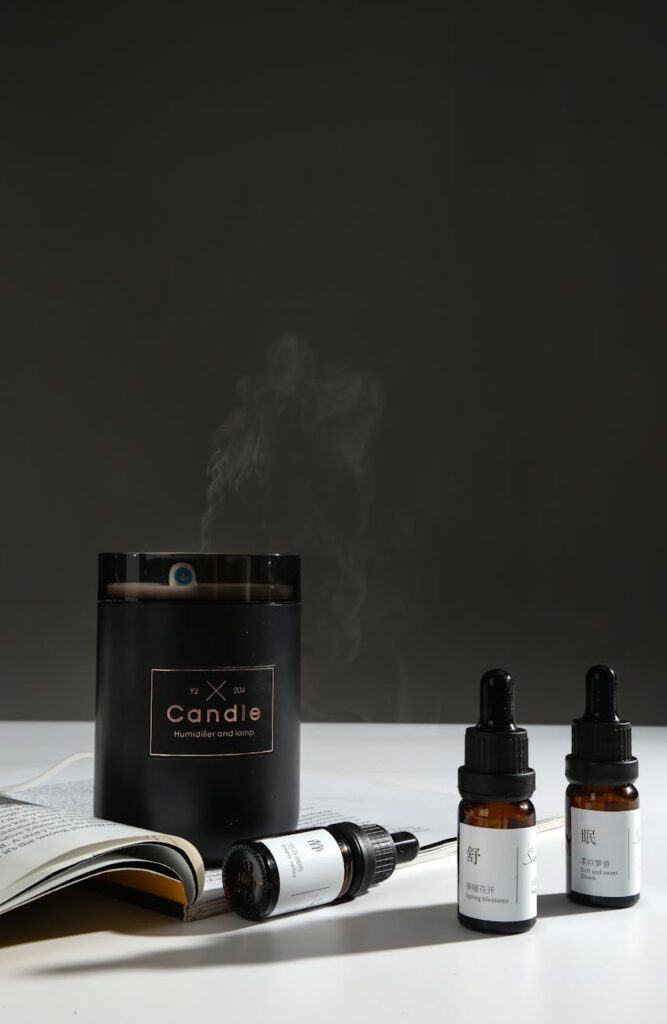
Complete Guide to Aromatherapy Blends for Emotional Balance Part 7
Introduction
Aromatherapy is a holistic practice that utilizes essential oils extracted from plants to promote physical and emotional well-being. Among its many applications, aromatherapy blends specifically designed for emotional balance have garnered significant attention for their potential to enhance mood, alleviate stress, and foster emotional stability. This article serves as a comprehensive guide to understanding, creating, and using aromatherapy blends aimed at emotional balance.
What Is Aromatherapy Blends for Emotional Balance?
Aromatherapy blends for emotional balance involve combining various essential oils to create a synergistic effect that supports emotional well-being. Each essential oil possesses unique properties that can influence mood and emotional states, and by blending them thoughtfully, practitioners can enhance their therapeutic potential. Commonly used oils in these blends include lavender, bergamot, frankincense, and ylang-ylang, each contributing distinct notes to the overall aroma and effect.
The blends may be tailored to specific emotional states, such as anxiety, sadness, or irritability, making them versatile tools for emotional regulation. The practice of creating these blends often involves understanding the individual characteristics of each oil, as well as the user’s personal preferences and emotional needs.
Key Benefits and Properties
The benefits of aromatherapy blends for emotional balance are numerous and varied. Here are some key properties of commonly used essential oils:
1. Lavender: Known for its calming effects, lavender can help reduce anxiety and promote relaxation.
2. Bergamot: This citrus oil is often used to uplift mood and alleviate feelings of sadness or stress.
3. Frankincense: Valued for its grounding qualities, frankincense can enhance feelings of peace and stability.
4. Ylang-Ylang: This floral oil is celebrated for its ability to alleviate feelings of anger and promote a sense of joy.
5. Cedarwood: With its warm, woody scent, cedarwood is known for its calming effects and can help with emotional grounding.
6. Sweet Orange: This cheerful oil can elevate mood and is often used to combat feelings of anxiety and stress.
When used in combination, these essential oils can create a powerful blend that supports emotional balance.
Common Uses
Aromatherapy blends for emotional balance can be utilized in various ways, depending on individual preferences and circumstances. Some common uses include:
- Diffusion: Adding a few drops of a blend to an essential oil diffuser can fill a room with a calming aroma, creating a serene atmosphere.
- Inhalation: Placing a few drops on a cotton ball or handkerchief and inhaling the scent can provide immediate emotional relief.
- Topical Application: Diluting essential oils with a carrier oil and applying them to pulse points offers a personalized approach to emotional support. Common pulse points include wrists, neck, and behind the ears.
- Bathing: Adding a blend to a warm bath can create a soothing environment that promotes relaxation and emotional balance.
- Massage: Incorporating aromatherapy blends into massage therapy can enhance the experience, leaving individuals feeling rejuvenated and emotionally balanced.
- Dilution: Essential oils should always be diluted with a carrier oil before topical application to prevent skin irritation.
- Patch Test: Conducting a patch test on a small area of skin prior to full application can help identify any potential allergic reactions.
- Pregnancy and Nursing: Some essential oils are not recommended during pregnancy or nursing. It is advisable to consult with a qualified aromatherapist or herbalist to ensure safety.
- Children and Pets: Certain essential oils may not be suitable for children or pets. Research and select oils that are safe for use around them.
- Medical Conditions: Individuals with underlying health conditions or those taking medications should approach aromatherapy with caution and consult a healthcare professional if necessary.
- Keep Away from Light: Essential oils should be stored in dark glass bottles to protect them from light degradation.
- Cool, Dry Place: Store oils in a cool, dry environment, away from heat sources and humidity.
- Shelf Life: The shelf life of essential oils varies by type. Generally, citrus oils have a shorter shelf life (1-2 years), while oils like patchouli and cedarwood can last for several years. Regularly check for changes in scent or viscosity, which may indicate spoilage.
Aromatherapy Applications
Creating effective aromatherapy blends for emotional balance involves understanding the various applications. Here are some popular methods for using these blends:
1. Emotional Support Roll-On
A convenient way to carry your emotional support with you is by creating a roll-on blend. Combine 10-20 drops of your chosen essential oils with a carrier oil, such as fractionated coconut oil or jojoba oil, in a roller bottle. Apply to pulse points as needed.
2. Calming Room Spray
A calming room spray can help to create a tranquil environment. Fill a spray bottle with water and add 20-30 drops of your essential oil blend. Shake well before each use and spray around the room, avoiding direct contact with fabrics.
3. Scented Sachets
For a long-lasting aroma, consider creating scented sachets. Fill small fabric pouches with dried herbs and add a few drops of your essential oil blend. Place these sachets in drawers, closets, or under pillows for a gentle infusion.
4. Mindful Breathing
Incorporating aromatherapy into mindfulness practices can enhance emotional balance. Place a few drops of your chosen blend in your palms, rub them together, and take deep breaths as you focus on the aroma, allowing it to guide your relaxation.
Safety Considerations
While aromatherapy is generally considered safe when used appropriately, there are several important safety considerations to keep in mind:
Storage and Shelf Life
Proper storage of essential oils is crucial to maintain their potency and longevity. Here are some guidelines for optimal storage:
Frequently Asked Questions
1. Can I create my own blends?
Yes, creating your own blends can be a rewarding experience. Start by researching essential oils that resonate with your emotional needs, and experiment with different combinations until you find a blend that works for you.
2. How do I know which oils to choose?
Selecting oils often depends on personal preferences and emotional states. Consider what feelings you wish to enhance or alleviate, and research oils that are known for those properties.
3. How often can I use my blends?
The frequency of use can vary based on individual preference and the specific blend. Generally, using a blend when needed for emotional support is encouraged, but it’s advisable to allow the body time to adjust to new oils.
4. Are there any contraindications with essential oils?
Yes, certain essential oils may interact with medications or certain health conditions. It is best to do thorough research or consult a professional if you have concerns.
5. Can aromatherapy replace traditional therapy?
Aromatherapy can be a complementary practice to traditional therapy but should not be considered a substitute for professional mental health treatment. It is best used as part of a holistic approach to emotional well-being.
Conclusion
Aromatherapy blends for emotional balance offer a natural and versatile approach to enhancing mood and emotional well-being. By understanding the properties and uses of essential oils, individuals can create personalized blends that cater to their emotional needs. While the practice is generally safe, it is essential to adhere to safety guidelines and consult professionals where necessary. As you embark on your aromatherapy journey, remember that the path to emotional balance is unique to each individual, and finding what resonates with you may take time and experimentation.