
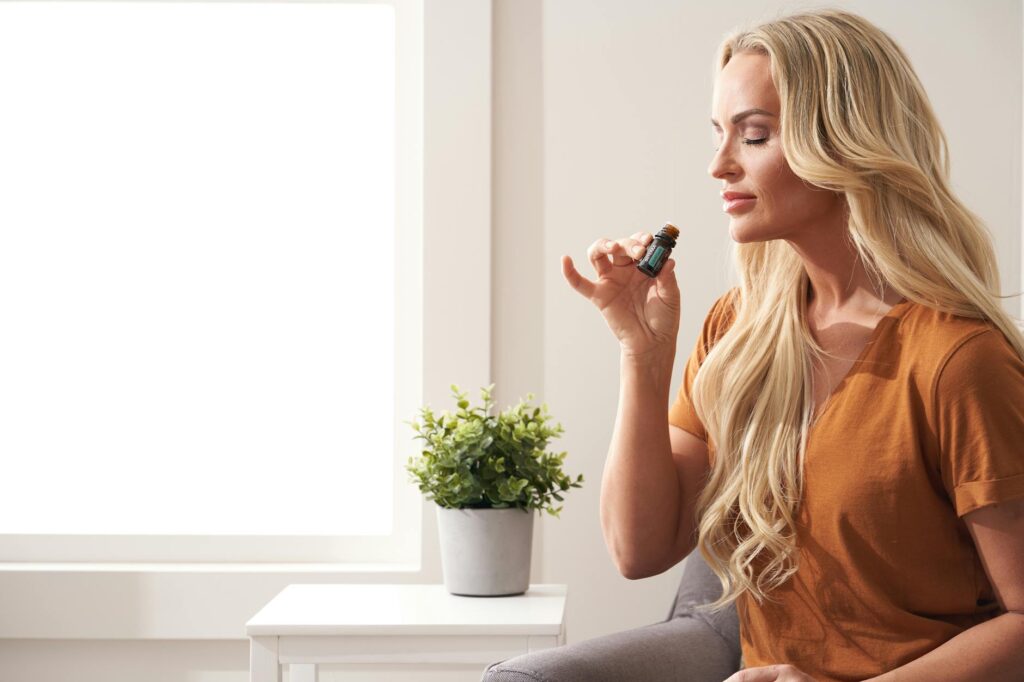
Complete Guide to Aromatherapy Blends for Emotional Balance Part 8
Introduction
Aromatherapy, the practice of using essential oils for therapeutic purposes, has gained popularity as a holistic approach to emotional well-being. This guide focuses on aromatherapy blends specifically designed to promote emotional balance. In this eighth installment of our series, we will explore the components that make these blends effective, their benefits, common applications, safety considerations, and storage information.
What Is Aromatherapy Blends for Emotional Balance?
Aromatherapy blends for emotional balance combine various essential oils known for their properties in influencing mood and emotional states. These blends are crafted to address a range of emotions, from anxiety and stress to feelings of joy and serenity. The synergy created by combining different oils can enhance their individual effects, making the blends more potent and effective.
Commonly used essential oils in these blends include lavender for relaxation, bergamot for uplifting the spirit, and frankincense for grounding. The specific combinations can be tailored to individual needs, offering a customizable approach to emotional health.
Key Benefits and Properties
The benefits of using aromatherapy blends for emotional balance are numerous and can include:
- Stress Reduction: Many essential oils are known for their calming effects, helping to lower cortisol levels and promote relaxation.
- Mood Enhancement: Certain oils, such as citrus oils, can elevate mood and foster feelings of happiness and contentment.
- Emotional Release: Aromatherapy can facilitate emotional expression, helping individuals process feelings that may be suppressed.
- Support for Sleep: Blends containing sedative oils can promote better sleep quality, which is crucial for emotional stability.
- Grounding Effects: Some oils, like vetiver and sandalwood, can provide a sense of stability and connection, aiding those who feel overwhelmed or scattered.
- Diffusion: Utilizing a diffuser to disperse essential oils into the air can create a calming environment in homes, offices, or during meditation practices.
- Topical Application: Blends can be diluted with carrier oils and applied to pulse points, such as wrists or temples, allowing for a personal aromatic experience.
- Bath Soaks: Adding essential oil blends to bathwater can create a spa-like experience, promoting relaxation and emotional release.
- Inhalation: Direct inhalation from a cotton ball or tissue can provide immediate relief during moments of stress or anxiety.
- Room Sprays: Creating a room spray with essential oils can refresh spaces while also providing emotional support.
- Dilution: Always dilute essential oils with a carrier oil before applying them to the skin. This helps prevent adverse reactions.
- Patch Testing: Conduct a patch test on a small area of skin before using a new blend to check for sensitivity or allergic reactions.
- Consultation: If you are pregnant, nursing, or have specific health concerns, consult a qualified healthcare professional before using essential oils.
- Children and Pets: Some essential oils can be toxic to pets and should be used with caution around them. Always store oils out of reach of children.
- Quality of Oils: Ensure that you are using high-quality, pure essential oils from reputable sources. Synthetic oils may not provide the same benefits and can cause irritation.
- Dark Glass Containers: Store essential oils in dark glass bottles to protect them from light, which can degrade the oils over time.
- Cool Environment: Keep oils in a cool, dry place, away from direct sunlight and heat sources.
- Tight Seals: Ensure that the lids of the bottles are tightly sealed to prevent oxidation.
Common Uses
Aromatherapy blends for emotional balance can be employed in various contexts, including:
Aromatherapy Applications
Diffusion
Using a diffuser is one of the most popular methods for applying aromatherapy blends. When choosing a blend for diffusion, consider the atmosphere you wish to create. For a calming effect, blends containing lavender, chamomile, and ylang-ylang may be ideal. For uplifting energy, citrus-based blends with bergamot and sweet orange can be effective.
Topical Application
When applying essential oils topically, it is essential to dilute them with a carrier oil, such as jojoba or sweet almond oil, to prevent skin irritation. A typical dilution ratio is 2-3 drops of essential oil per teaspoon of carrier oil. This method allows the oils to penetrate the skin and provide localized benefits, making it effective for emotional support during stressful moments.
Bath Soaks
Creating a therapeutic bath soak can be an excellent way to unwind and foster emotional balance. To prepare, combine your chosen essential oils with a carrier oil or Epsom salt. This mixture can be added to warm bathwater, allowing for full-body absorption of the oils while also providing relaxation through the warmth of the water.
Inhalation
Inhalation is a quick and effective way to experience the benefits of essential oils. This method can be particularly useful in stressful situations. Simply place a few drops of your chosen blend on a cotton ball or tissue and inhale deeply. This technique allows for immediate emotional support.
Room Sprays
To create a refreshing room spray, mix essential oils with distilled water in a spray bottle. Shake well before use. This is an excellent way to freshen up a space while also promoting emotional balance. Citrus and floral blends work particularly well for this application.
Safety Considerations
While aromatherapy is generally safe when used correctly, there are several important safety considerations to keep in mind:
Storage and Shelf Life
Proper storage of essential oils is crucial for maintaining their efficacy and safety. Here are some tips for storage:
The shelf life of essential oils can vary depending on the type and storage conditions. Generally, citrus oils have a shorter shelf life (1-2 years), while oils like sandalwood and patchouli can last for several years when stored properly.
Frequently Asked Questions
1. Can I create my own blends for emotional balance?
Absolutely! Experimenting with different combinations of essential oils can help you find what works best for you. Start with a base oil and gradually add others until you achieve a scent profile you enjoy.
2. How often can I use aromatherapy blends?
You can use aromatherapy blends as often as needed; however, it is advisable to take breaks to prevent desensitization to the oils.
3. Are there any essential oils I should avoid?
Some essential oils may cause skin irritation or are contraindicated for certain health conditions. For instance, oils like cinnamon and clove should be used sparingly. Always conduct thorough research or consult a professional if unsure.
4. Can aromatherapy replace traditional therapy?
While aromatherapy can be a supportive tool for emotional balance, it is not a substitute for professional mental health treatment. If you are experiencing significant emotional distress, consider seeking help from a licensed therapist or counselor.
5. How do I choose the right blend for my needs?
Consider the specific emotions or challenges you wish to address. Research the properties of various essential oils and select those that align with your goals. Personal preference also plays a significant role, so choose scents that resonate with you.
Conclusion
Aromatherapy blends for emotional balance offer a versatile and natural approach to enhancing emotional well-being. By understanding the properties of different essential oils and their applications, you can create personalized blends that resonate with your emotional needs. As you explore the world of aromatherapy, remember to prioritize safety and quality to enjoy the full benefits of these extraordinary natural resources.