
Complete Guide to Aromatherapy Blends for Emotional Healing Part 1
Introduction
Aromatherapy is a holistic practice that utilizes the therapeutic properties of essential oils extracted from plants to promote physical, emotional, and mental well-being. While the concept may seem modern, the use of aromatic plants for healing dates back thousands of years across various cultures. This guide will delve into the world of aromatherapy blends specifically designed for emotional healing, exploring their benefits, applications, and safety considerations.
What Is Aromatherapy Blends for Emotional Healing?
Aromatherapy blends for emotional healing consist of combinations of essential oils that aim to address emotional imbalances and promote a sense of well-being. These blends harness the unique properties of different oils, allowing users to tailor their aromatic experiences to their specific emotional needs. Essential oils can influence the limbic system—the part of the brain responsible for emotions—through inhalation or topical application, making them powerful allies in emotional healing.
Understanding Essential Oils
Essential oils are concentrated plant extracts that capture the plant’s scent and beneficial properties. Each oil possesses a unique profile of compounds, contributing to its specific effects on emotional states. For instance, lavender is renowned for its calming properties, while citrus oils like bergamot are often uplifting.
Key Benefits and Properties
The benefits of using aromatherapy blends for emotional healing are manifold. Here are some key properties and advantages:
1. Stress Reduction
Many essential oils, such as chamomile and sandalwood, are known for their ability to alleviate stress and promote relaxation.
2. Mood Enhancement
Citrus oils like orange and grapefruit can elevate mood and foster a sense of happiness, making them ideal for combating feelings of sadness or anxiety.
3. Emotional Balance
Blends containing oils like ylang-ylang and frankincense can help stabilize emotions, providing a grounding effect during turbulent times.
4. Sleep Improvement
Essential oils such as lavender and vetiver are often used in blends aimed at promoting restful sleep and reducing insomnia.
5. Enhanced Focus and Clarity
Certain oils, including rosemary and peppermint, can aid in enhancing mental clarity and focus, which can be beneficial during times of emotional overwhelm.
Common Uses
Aromatherapy blends for emotional healing can be utilized in various settings and methods, adapting to individual needs and preferences:
1. Diffusion
Using an essential oil diffuser is one of the most popular methods for dispersing the aroma of a blend throughout a room, creating a calming environment.
2. Topical Application
Diluted blends can be applied to pulse points, such as wrists and temples, or used in massage oils to promote relaxation and emotional balance.
3. Bath Soaks
Adding aromatherapy blends to bathwater can provide a luxurious and therapeutic experience, allowing for deep relaxation and emotional release.
4. Inhalation
Direct inhalation from the bottle or a cotton ball can provide immediate relief for emotional distress.
5. Sprays
Creating a mist with essential oils and water can serve as a refreshing room spray or personal fragrance, offering emotional support throughout the day.
Aromatherapy Applications
Creating effective aromatherapy blends for emotional healing requires understanding the properties of essential oils and how they can work synergistically. Here are a few popular blends for various emotional states:
1. Calming Blend
- Ingredients: Lavender, chamomile, and bergamot
- Benefits: Promotes relaxation and reduces anxiety.
- Ingredients: Sweet orange, lemon, and peppermint
- Benefits: Enhances mood and fosters positivity.
- Ingredients: Frankincense, cedarwood, and ylang-ylang
- Benefits: Stabilizes emotions and promotes a sense of calm.
- Ingredients: Lavender, vetiver, and marjoram
- Benefits: Encourages restful sleep and reduces insomnia.
- Ingredients: Rosemary, peppermint, and basil
- Benefits: Enhances concentration and mental clarity.
2. Uplifting Blend
3. Grounding Blend
4. Sleep Blend
5. Focus Blend
Safety Considerations
While aromatherapy can offer numerous benefits, it is essential to consider safety precautions to prevent adverse reactions:
1. Dilution
Always dilute essential oils before applying them to the skin. A common dilution ratio is 2-3 drops of essential oil per tablespoon of carrier oil.
2. Allergies and Sensitivities
Conduct a patch test before using a new essential oil blend to check for allergic reactions. Apply a small amount to the inner wrist and monitor for any irritation.
3. Pregnancy and Medical Conditions
Consult appropriate resources or professionals if pregnant, nursing, or suffering from health conditions before using essential oils.
4. Quality of Oils
Use high-quality, pure essential oils from reputable sources to ensure safety and effectiveness. Look for oils that are labeled as 100% pure and free from synthetic additives.
Storage and Shelf Life
Proper storage and handling of essential oils can significantly impact their efficacy and longevity:
1. Storage Conditions
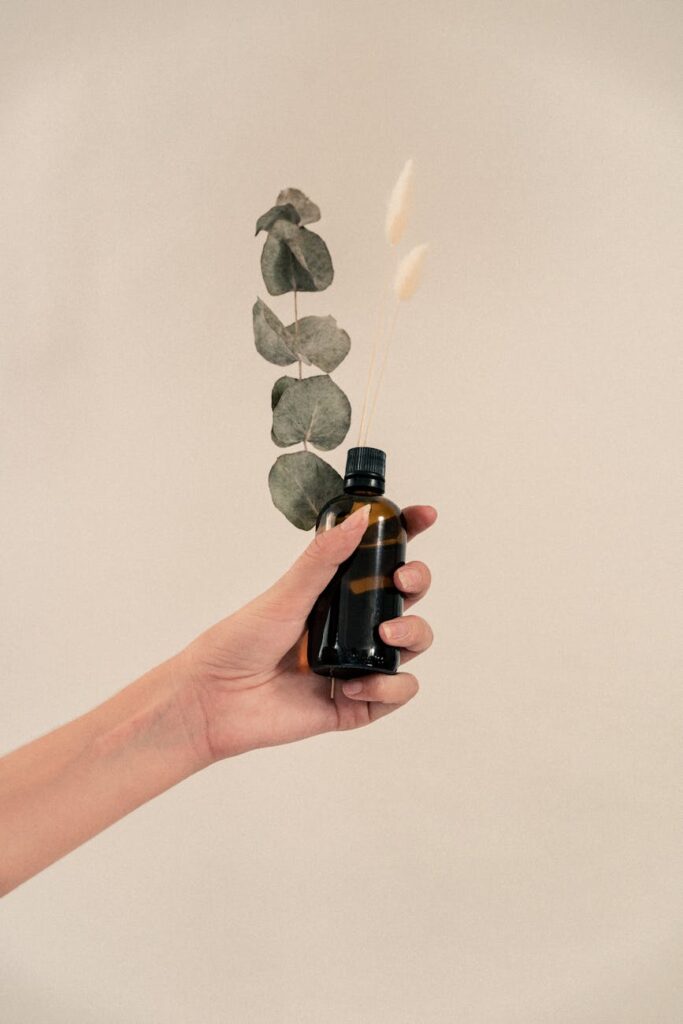
Store essential oils in a cool, dark place, away from direct sunlight and heat sources. Amber or cobalt blue glass bottles are ideal for preserving the integrity of the oils.
2. Shelf Life
Most essential oils have a shelf life of 1 to 3 years, depending on the type of oil and storage conditions. Citrus oils tend to have a shorter shelf life than heavier oils like patchouli or sandalwood.
3. Signs of Degradation
Be mindful of changes in aroma, color, or consistency, as these may indicate that the oil has degraded. If in doubt, it’s best to replace the oil.
Frequently Asked Questions
1. How do I choose the right blend for my emotional needs?
Consider your current emotional state and select oils known for their corresponding properties. For example, if you’re feeling anxious, a calming blend with lavender might be suitable.
2. Can I create my own blends?
Absolutely! Experimenting with different combinations of essential oils can lead to personalized blends that resonate with you. Start with a few drops of each oil and adjust based on your preferences.
3. How often can I use aromatherapy blends?
You can use aromatherapy blends as often as needed. However, be attentive to your body’s responses and adjust frequency accordingly.
4. Are there any essential oils I should avoid?
Some oils may be irritating or sensitizing for certain individuals. Common oils to use with caution include cinnamon, clove, and oregano. Always conduct a patch test before using a new oil.
As this guide continues, it will delve deeper into specific essential oils used in emotional healing and explore advanced blending techniques. Understanding these principles can enhance your journey into the world of aromatherapy, offering a pathway to emotional well-being and balance.