
Complete Guide to Aromatherapy Blends for Emotional Healing Part 2
Introduction
Aromatherapy is an ancient practice that utilizes the natural aromatic properties of essential oils to enhance physical, mental, and emotional well-being. In the first part of this guide, we explored the foundational concepts of aromatherapy and its significance in promoting emotional healing. This second part delves into specific aromatherapy blends designed to address various emotional states, their benefits, applications, safety considerations, and frequently asked questions.
What Is Aromatherapy Blends for Emotional Healing?
Aromatherapy blends are carefully curated mixtures of essential oils, each chosen for their unique properties and synergies. When combined, these oils can work together to create a holistic approach to emotional healing. Aromatherapy blends can be tailored to address specific emotional states such as anxiety, stress, sadness, and fatigue. The effectiveness of these blends lies in their ability to influence the limbic system, the part of the brain that controls emotions and memory.
Key Benefits and Properties
Aromatherapy blends for emotional healing offer a variety of benefits, which can include:
1. Stress Relief: Certain essential oils such as lavender and bergamot are well-known for their calming properties, helping to reduce stress and promote relaxation.
2. Mood Enhancement: Citrus oils like orange and lemon can uplift the spirits and promote feelings of joy and positivity.
3. Emotional Balance: Oils such as ylang-ylang and frankincense can help stabilize mood swings and bring emotional equilibrium.
4. Improved Sleep: Blends containing chamomile or cedarwood can promote restful sleep, essential for emotional recovery.
5. Clarity and Focus: Peppermint and rosemary are often used to enhance mental clarity and focus, which can be beneficial during periods of emotional distress.
Each essential oil has its specific properties, and understanding these can help in selecting the right blend for individual needs.
Common Uses
Aromatherapy blends for emotional healing can be utilized in various ways, including:
- Diffusion: Using an essential oil diffuser to disperse the aroma throughout a room can create a calming environment conducive to emotional healing.
- Topical Application: Blending essential oils with a carrier oil for massage can enhance relaxation and provide a sense of grounding.
- Bathing: Adding essential oils to a warm bath can offer a soothing experience, allowing for deep relaxation and emotional release.
- Inhalation: Direct inhalation from a bottle or a personal inhaler can provide immediate effects, making it useful for on-the-go emotional support.
- Room Sprays: Creating a room spray with essential oils can help maintain a positive atmosphere in living or working spaces.
- Calming Blend: Combine 3 drops of lavender, 2 drops of chamomile, and 2 drops of ylang-ylang with a carrier oil for a soothing massage blend. This can help ease feelings of anxiety and promote relaxation.
- Uplifting Blend: Mix 4 drops of bergamot, 3 drops of sweet orange, and 2 drops of geranium. This blend can be diffused in a space to uplift mood and encourage emotional healing.
- Energizing Blend: Create a blend with 2 drops of peppermint, 3 drops of rosemary, and 1 drop of lemon. This invigorating combination can be inhaled or applied topically to help combat feelings of fatigue.
- Stabilizing Blend: Combine 3 drops of frankincense, 2 drops of clary sage, and 1 drop of patchouli. This blend can be used in a diffuser to promote emotional stability and grounding.
- Dilution: Essential oils are potent and should be diluted with a carrier oil (such as jojoba, coconut, or almond oil) before topical application to prevent skin irritation.
- Patch Testing: Always perform a patch test on a small area of skin to check for allergic reactions before using a new blend.
- Pregnancy and Medical Conditions: Pregnant individuals or those with medical conditions should consult with a qualified practitioner before using essential oils.
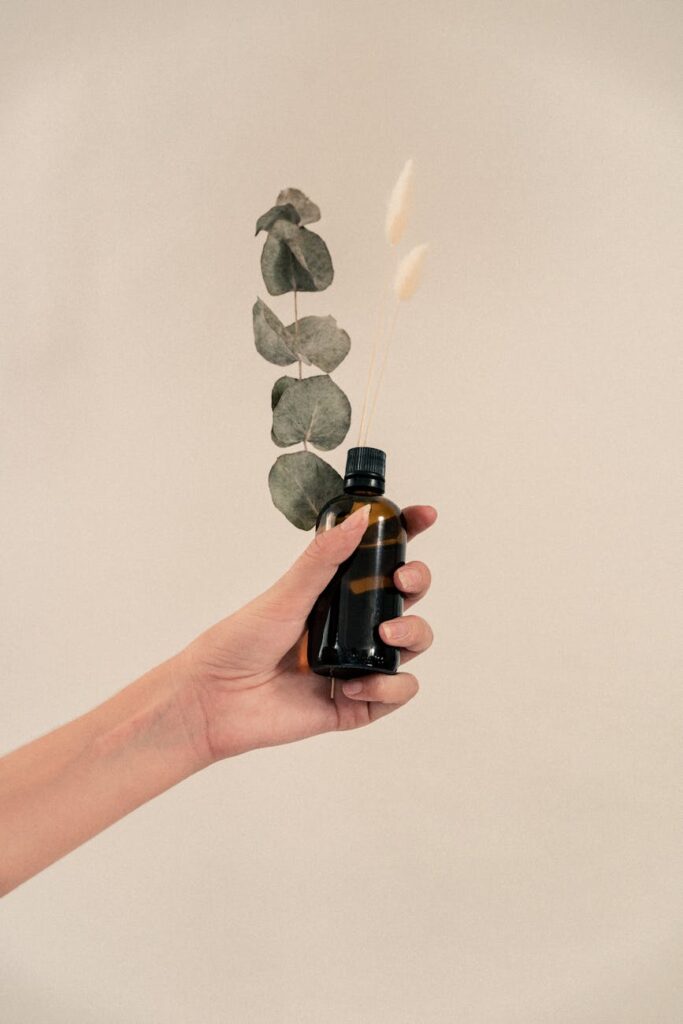
- Storage: Essential oils should be stored in dark glass bottles in a cool, dry place to maintain their efficacy and prevent degradation.
Aromatherapy Applications
1. Blends for Stress and Anxiety
2. Blends for Sadness and Grief
3. Blends for Fatigue and Low Energy
4. Blends for Emotional Balance
Safety Considerations
While aromatherapy is generally considered safe, it is important to observe certain precautions:
Storage and Shelf Life
To ensure the longevity of aromatherapy blends, proper storage is essential. Here are some guidelines:
1. Container: Use dark glass containers to protect oils from light exposure, which can degrade their quality.
2. Temperature: Store oils in a cool environment, away from direct sunlight, heat sources, and humidity.
3. Shelf Life: The shelf life of essential oils varies by type but generally ranges from 1 to 5 years. Citrus oils tend to have a shorter shelf life, while oils like sandalwood and patchouli can last longer.
4. Labeling: Clearly label each blend with the ingredients and the date of creation for easy identification and tracking.
Frequently Asked Questions
1. Are aromatherapy blends safe for children?
While some essential oils can be safe for children, it is crucial to use them with caution. Always consult with a knowledgeable practitioner for age-appropriate oils and dilution ratios.
2. Can I create my own aromatherapy blends?
Yes, creating your own blends can be an enjoyable and personalized experience. Start by researching oils that resonate with your emotional needs and experiment with small batches.
3. How long does it take to feel the effects of aromatherapy?
The effects of aromatherapy can be felt almost immediately through inhalation, while topical applications may take longer to manifest. Individual responses may vary based on personal sensitivity and the oil used.
4. Can aromatherapy replace traditional therapies for emotional healing?
Aromatherapy can be a complementary practice to traditional therapies, but it should not replace professional medical advice or treatment. Always consult a healthcare professional for serious emotional issues.
5. How often can I use aromatherapy blends?
Aromatherapy blends can be used as often as needed, but it is advisable to take breaks to assess emotional responses and prevent desensitization to certain scents.
Conclusion
Aromatherapy blends for emotional healing offer a diverse range of benefits that can support emotional well-being. Understanding the properties of different essential oils and how to create effective blends empowers individuals to take charge of their emotional health. Whether through diffusing, topical application, or other methods, these blends provide a holistic approach to navigating life’s emotional challenges. As with any holistic practice, incorporating aromatherapy into your routine can enhance your journey toward emotional healing and balance.