
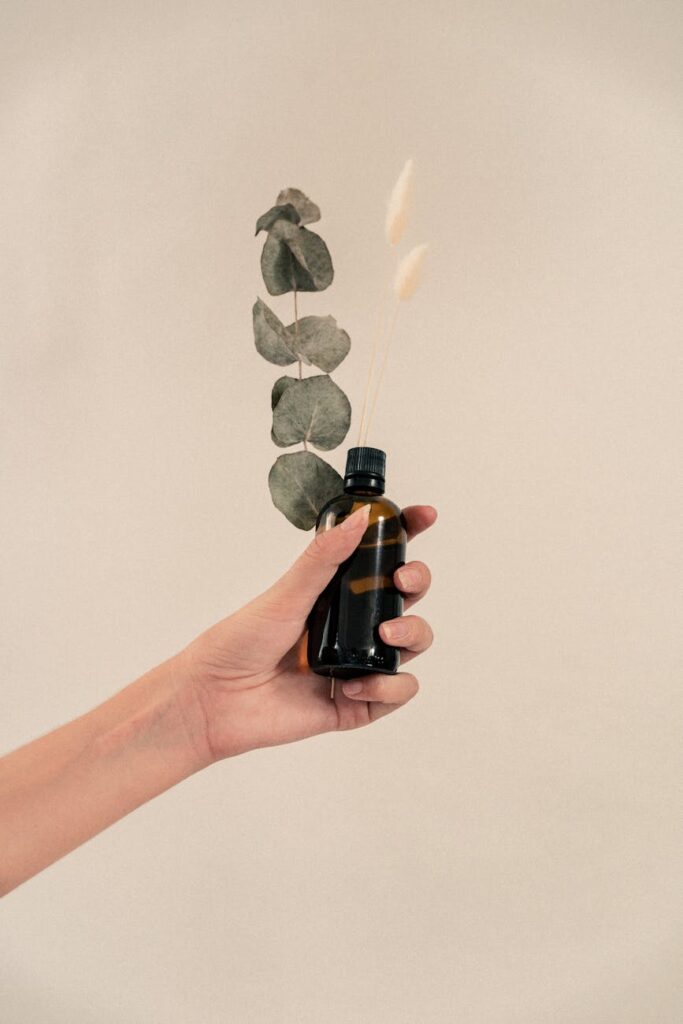
Complete Guide to Aromatherapy Blends for Emotional Healing Part 3
Introduction
Aromatherapy, a holistic healing practice that utilizes the aromatic properties of essential oils, has gained increasing popularity in recent years. This article is the third installment in a series exploring the various aspects of aromatherapy blends specifically designed for emotional healing. As we delve deeper into the world of essential oils, this guide aims to provide comprehensive information on the properties, applications, and benefits of these unique blends.
What Is Aromatherapy Blends for Emotional Healing?
Aromatherapy blends for emotional healing consist of combinations of essential oils tailored to influence emotional and psychological states. These blends are designed to evoke feelings of relaxation, joy, and balance, and may help alleviate feelings of anxiety, depression, or stress. By harnessing the power of scent, these blends can create an environment conducive to emotional well-being.
Essential oils are highly concentrated extracts derived from various parts of plants, including leaves, flowers, stems, and roots. Each essential oil possesses its unique set of properties, making them suitable for specific emotional states. When combined thoughtfully, these oils can enhance their individual benefits, resulting in a synergistic effect that can support emotional healing.
Key Benefits and Properties
The benefits of aromatherapy blends for emotional healing are numerous. Here are some key properties associated with commonly used essential oils in these blends:
1. Lavender: Known for its calming properties, lavender essential oil can help reduce anxiety and promote relaxation, making it a staple in emotional healing blends.
2. Bergamot: This citrus oil is often used for its uplifting effects. It can help alleviate feelings of stress and enhance mood.
3. Frankincense: Revered for its grounding properties, frankincense can foster a sense of peace and tranquility, aiding in meditation and mindfulness practices.
4. Ylang Ylang: This floral oil is known for its ability to balance emotions and promote feelings of joy and love.
5. Chamomile: With its soothing aroma, chamomile can help ease feelings of anger and frustration, providing a sense of calm.
6. Cedarwood: This oil is often associated with grounding and stabilizing emotions, making it beneficial for those experiencing emotional turmoil.
7. Rose: Known as the oil of love, rose essential oil can promote feelings of self-love and acceptance, helping to heal emotional wounds.
Common Uses
Aromatherapy blends for emotional healing can be applied in a variety of settings and circumstances. Here are some common uses:
1. Stress Reduction: Many individuals turn to aromatherapy blends when they feel overwhelmed. Inhaling calming scents can create a serene environment, promoting relaxation.
2. Mood Enhancement: A well-formulated blend can uplift spirits and enhance overall mood, making it a useful tool for those experiencing low energy or sadness.
3. Emotional Balance: Blends can help individuals regain emotional equilibrium during challenging times. They can facilitate processing of emotions and support personal growth.
4. Mindfulness and Meditation: Aromatherapy can enhance mindfulness practices by creating a calming atmosphere. Specific blends can deepen meditation experiences.
5. Sleep Improvement: Some blends are specifically designed to promote restful sleep and alleviate insomnia-related issues, aiding in emotional rejuvenation.
Aromatherapy Applications
There are several methods to apply aromatherapy blends for emotional healing, including:
1. Diffusion: Using an essential oil diffuser is one of the most common methods for blending essential oils. This can disperse the aroma throughout a room, creating a calming environment.
2. Topical Application: Diluting essential oils in a carrier oil, such as jojoba or almond oil, allows for direct application on pulse points, such as wrists or behind the ears. This method can provide immediate emotional benefits.
3. Inhalation: Placing a few drops of essential oil on a tissue or cotton ball and inhaling can provide quick relief from emotional distress.
4. Bathing: Adding essential oils to bathwater can create a soothing experience. Oils should be diluted in a carrier oil or bath salt to prevent skin irritation.
5. Massage: Incorporating essential oils into massage oil can enhance the therapeutic effects of touch, promoting relaxation and emotional release.
Safety Considerations
While aromatherapy can be beneficial, it is essential to practice safety. Here are some key considerations:
1. Dilution: Always dilute essential oils with a carrier oil before applying them to the skin. This helps prevent skin irritation and adverse reactions.
2. Allergic Reactions: Conduct a patch test by applying a small amount of diluted oil to a small area of skin to check for allergic reactions.
3. Pregnancy and Nursing: Pregnant and nursing individuals should consult a healthcare professional before using essential oils, as some oils may not be safe.
4. Children: Certain essential oils are not suitable for children. Always consult guidelines and use child-safe oils when creating blends for younger users.
5. Medical Conditions: If you have underlying health conditions or are on medication, it is advisable to consult a healthcare professional before using essential oils.
Storage and Shelf Life
Proper storage of essential oils is essential to maintain their potency and effectiveness. Here are some storage tips:
1. Cool, Dark Place: Store essential oils in a cool, dark location to prevent degradation due to heat and light exposure.
2. Tightly Sealed Containers: Always keep bottles tightly sealed to minimize oxidation and evaporation.
3. Glass Bottles: Essential oils should be stored in dark glass containers, as plastic can react with the oils over time.
4. Shelf Life: Most essential oils have a shelf life ranging from one to five years, depending on the oil. Citrus oils tend to have a shorter shelf life, while oils like sandalwood and patchouli can last longer.
Frequently Asked Questions
1. Can aromatherapy blends replace traditional therapy?
Aromatherapy can be a complementary practice to traditional therapy, but it should not replace professional mental health treatment. It may enhance emotional well-being when used alongside other therapeutic methods.
2. How can I create my own aromatherapy blend for emotional healing?
To create your own blend, start with a base of carrier oil and select essential oils known for their emotional healing properties. A common ratio is three drops of essential oil per teaspoon of carrier oil. Adjust according to personal preference.
3. Are there specific blends for anxiety or depression?
Yes, many essential oils are known for their calming effects. Blends that combine lavender, bergamot, and frankincense, for instance, can be particularly effective for anxiety and depressive feelings.
4. How often can I use aromatherapy blends?
The frequency of use depends on individual preferences and needs. For general emotional support, daily use may be beneficial, while targeted use during stressful moments can be more appropriate.
5. Can I use several different essential oils in one blend?
Yes, combining different essential oils can create a more complex aroma and enhance the therapeutic effects. However, it is crucial to research the properties of each oil to ensure they complement each other.
Conclusion
Aromatherapy blends for emotional healing offer a natural and holistic approach to enhancing emotional well-being. By understanding the properties and applications of various essential oils, individuals can create personalized blends that support their emotional health. Whether through stress reduction, mood enhancement, or fostering emotional balance, these blends can serve as powerful tools in navigating the complexities of life. As always, practicing safety and storing essential oils properly are essential for maximizing their benefits.