
Complete Guide to Aromatherapy Blends for Emotional Healing Part 4
Introduction
Aromatherapy, the practice of using essential oils for therapeutic purposes, has gained significant popularity in recent years, especially in the realm of emotional healing. This guide aims to delve deeper into the various aromatherapy blends specifically formulated to promote emotional well-being. In the previous parts of this series, we explored the fundamentals of aromatherapy, the science behind essential oils, and specific blends for various emotional states. In this fourth installment, we will examine the intricacies of aromatherapy blends designed for emotional healing, their key benefits, common uses, application methods, safety considerations, and more.
What Is Aromatherapy Blends for Emotional Healing?
Aromatherapy blends for emotional healing are carefully curated combinations of essential oils that interact synergistically to evoke specific emotional responses or alleviate negative emotional states. These blends harness the inherent properties of essential oils—derived from plants, flowers, and herbs—to influence mood, reduce stress, and promote mental clarity. The practice relies on both olfactory stimulation and topical application to facilitate emotional healing, often enhancing the mind-body connection.
Key Benefits and Properties
Emotional Benefits
1. Stress Reduction: Certain essential oils, such as lavender and chamomile, are renowned for their calming properties, which can help reduce stress and anxiety levels.
2. Mood Enhancement: Blends containing citrus oils, such as bergamot and sweet orange, can uplift the mood and inspire feelings of joy and happiness.
3. Emotional Release: Oils like frankincense and myrrh are often used in spiritual practices and are believed to facilitate emotional release and inner peace.
4. Support for Grief: Blends incorporating oils like rose and sandalwood may offer comfort and aid in processing grief and loss.
Physiological Properties
1. Relaxation: Many essential oils have sedative properties that promote relaxation and restful sleep.
2. Mental Clarity: Oils such as peppermint and rosemary can enhance focus and mental clarity, counteracting feelings of mental fatigue.
3. Balancing Emotions: Some oils work to balance emotions, helping to stabilize mood swings and emotional turmoil.
Common Uses
Aromatherapy blends for emotional healing can be utilized in various settings, including:
- Home Environments: Diffusing essential oils in living spaces can create a calming atmosphere conducive to relaxation and emotional healing.
- Workplaces: Using personal inhalers or roll-ons can help manage stress and maintain focus throughout the workday.
- Meditation and Yoga: Incorporating aromatherapy into meditation or yoga practices can enhance spiritual experiences and deepen emotional release.
- Massage Therapy: Blends can be combined with carrier oils for use in massage, promoting both physical and emotional relaxation.
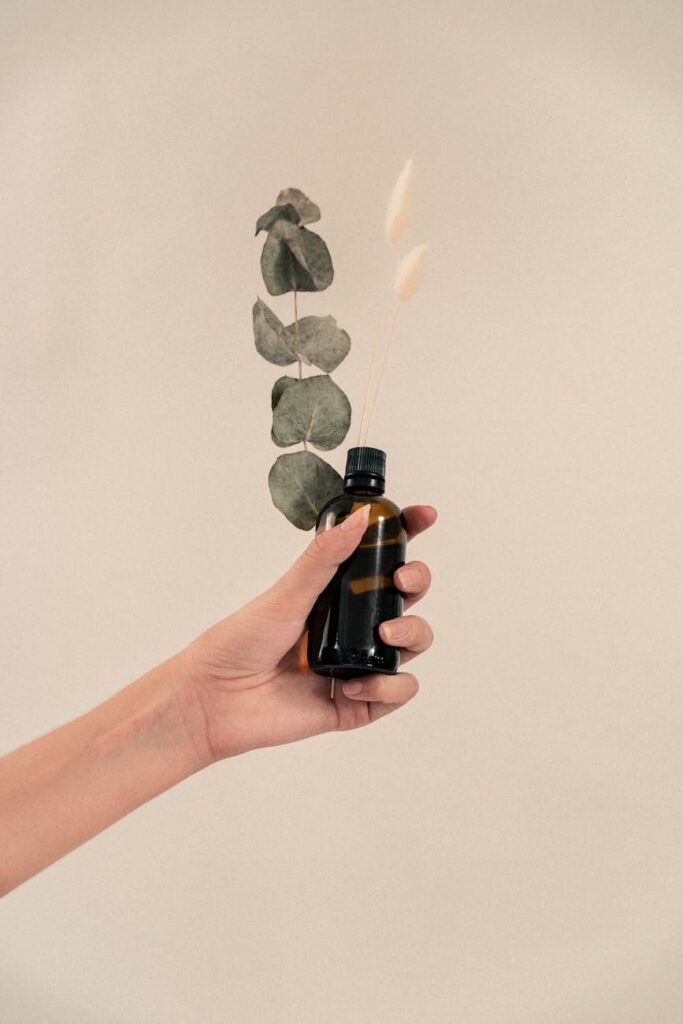
- Storage Conditions: Essential oils should be stored in a cool, dark place, away from direct sunlight and heat sources. Dark glass bottles are ideal for protecting the oils from light exposure.
- Shelf Life: The shelf life of essential oils varies depending on the type. Generally, citrus oils have a shorter shelf life (1-2 years), while oils like patchouli and sandalwood may last longer (up to 5 years or more). Always check for changes in aroma or consistency before use.
Aromatherapy Applications
There are several methods of applying aromatherapy blends for emotional healing:
1. Diffusion
Using a diffuser, essential oils can be dispersed into the air. This method allows for the inhalation of the oils, which can stimulate the olfactory system and impact emotional states.
2. Inhalation
Direct inhalation involves placing a few drops of an essential oil on a cotton ball or handkerchief and inhaling deeply. This method is particularly effective for quick emotional support.
3. Topical Application
When diluted with a carrier oil, essential oil blends can be applied directly to the skin. Common application points include pulse points, such as wrists, temples, and the nape of the neck.
4. Bathing
Adding essential oils to a warm bath can create a soothing environment, allowing for deep relaxation and emotional release.
5. Massage
Incorporating essential oil blends into massage therapy can enhance the benefits of physical touch while promoting emotional healing.
Safety Considerations
While aromatherapy is generally considered safe, adhering to specific safety guidelines is essential:
1. Dilution: Always dilute essential oils in a carrier oil (such as jojoba, sweet almond, or coconut oil) before applying them topically to prevent skin irritation.
2. Skin Sensitivity: Conduct a patch test on a small area of skin to check for any adverse reactions before full application.
3. Pregnancy and Nursing: Consult with a healthcare professional before using essential oils during pregnancy or while nursing, as some oils may not be suitable.
4. Children and Pets: Certain essential oils can be toxic to pets or children. Use caution and consult reputable sources or professionals regarding safe oils for these populations.
5. Medical Conditions: If you have existing medical conditions or are taking medication, consult a healthcare provider before incorporating aromatherapy into your routine.
Storage and Shelf Life
Proper storage of essential oils is crucial to maintaining their efficacy and safety:
Frequently Asked Questions
1. Can I create my own blends for emotional healing?
Absolutely! Personalizing your aromatherapy blends can enhance their effectiveness. Start with a base oil, such as lavender or bergamot, and experiment by adding other oils that resonate with your emotional needs.
2. How do I know which oils to use for specific emotions?
Researching the properties and benefits of various essential oils can help. Consider keeping a journal to track how different oils affect your mood and emotional state.
3. Can aromatherapy replace professional therapy?
While aromatherapy can complement emotional healing practices, it is not a substitute for professional mental health care. If you are experiencing severe emotional distress, it is advisable to seek guidance from a licensed therapist or counselor.
4. Are there any essential oils I should avoid?
Certain oils may cause sensitivity or allergic reactions in some individuals. Common culprits include cinnamon, clove, and oregano. Always conduct patch tests and be mindful of individual sensitivities.
5. How often should I use aromatherapy blends for emotional healing?
The frequency of use can vary based on individual needs and preferences. Many people find benefit in using aromatherapy blends daily, while others may prefer them only during times of heightened emotional stress.
Conclusion
Aromatherapy blends for emotional healing offer a natural and holistic approach to managing emotional well-being. With a wide range of essential oils available, individuals can explore various combinations to find what resonates best with their emotional needs. As with any wellness practice, it’s important to remember that aromatherapy is a complementary approach, and personal experiences may vary. By understanding the properties, applications, and safety considerations surrounding essential oils, individuals can harness their power to foster emotional healing and well-being.