
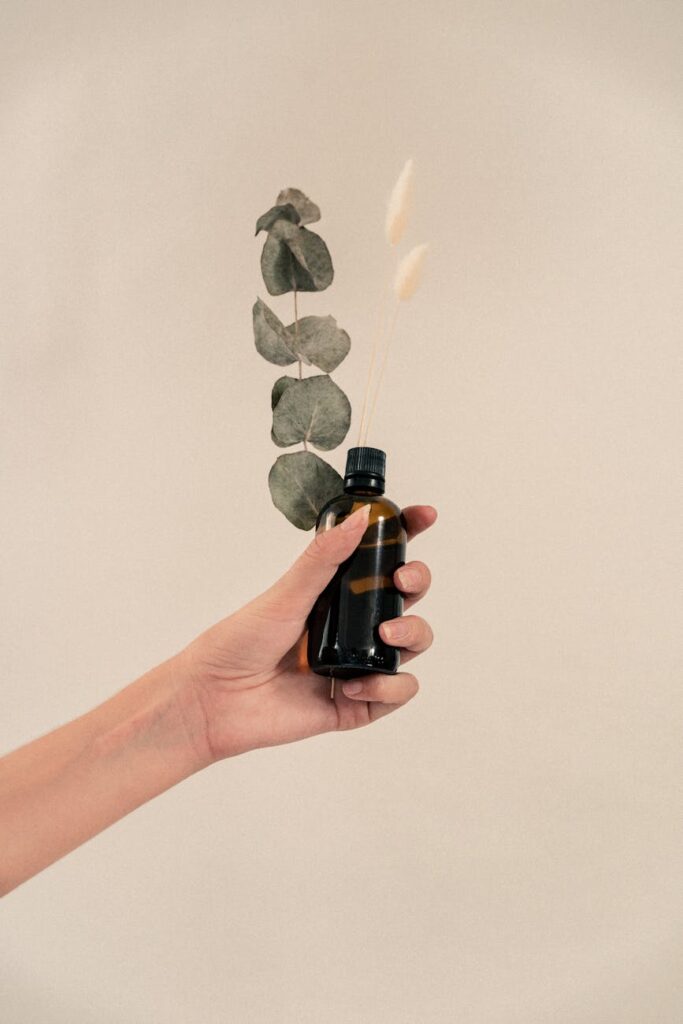
Complete Guide to Aromatherapy Blends for Emotional Healing Part 4
Introduction
Aromatherapy, the practice of utilizing essential oils for therapeutic purposes, has gained popularity worldwide for its potential to enhance emotional well-being. This guide delves into aromatherapy blends specifically tailored for emotional healing, focusing on their properties, applications, and safety considerations. With an understanding of these blends, individuals can harness the power of nature to foster emotional equilibrium and resilience.
What Is Aromatherapy Blends for Emotional Healing?
Aromatherapy blends for emotional healing consist of carefully selected essential oils combined to create synergistic effects. These blends aim to support emotional balance, alleviate stress, and foster feelings of relaxation and positivity. Essential oils are extracted from various plant parts, including leaves, flowers, roots, and bark, and each possesses unique chemical compositions that can influence mood and emotional states.
The science behind these blends revolves around the olfactory system, where inhalation of essential oils stimulates the brain’s limbic system—the region responsible for emotions and memory. By inhaling these aromatic compounds, individuals may experience shifts in mood, reduced anxiety, and enhanced emotional clarity.
Key Benefits and Properties
Aromatherapy blends for emotional healing offer numerous benefits, including:
1. Stress Reduction: Many essential oils, such as lavender and chamomile, are known for their calming properties, helping to mitigate stress and anxiety.
2. Mood Enhancement: Citrus oils like bergamot and sweet orange can uplift moods, promoting feelings of joy and positivity.
3. Emotional Release: Certain oils, such as frankincense and myrrh, support emotional processing, enabling individuals to release pent-up feelings.
4. Improved Sleep Quality: Blends containing sedative oils like valerian and cedarwood can assist in achieving better sleep, which is crucial for emotional well-being.
5. Enhanced Clarity and Focus: Oils like rosemary and peppermint can stimulate mental clarity, aiding in decision-making and emotional regulation.
6. Support During Transitions: Blends designed for times of change can provide comfort and grounding, helping individuals navigate emotional upheaval.
Common Uses
Aromatherapy blends for emotional healing can be used in various contexts, including:
- Personal Care: Incorporating blends into daily skincare routines can enhance relaxation during grooming rituals.
- Home Environment: Diffusing essential oils in living spaces can create a soothing atmosphere conducive to emotional healing.
- Meditation and Mindfulness: Using specific blends during meditation can deepen relaxation and enhance the meditative experience.
- Yoga Practices: Aromatherapy can complement yoga sessions, enhancing the connection between mind, body, and spirit.
- Massage Therapy: Blending essential oils with carrier oils for massages can provide both physical and emotional benefits.
- Containers: Store essential oils in dark glass bottles to protect them from light degradation. Avoid plastic containers, as they can leach harmful chemicals into the oils.
- Temperature: Keep oils in a cool environment, ideally between 15-20°C (59-68°F). High temperatures can alter their chemical composition.
- Shelf Life: The shelf life of essential oils varies by type. Most oils last 1-3 years, while citrus oils may have a shorter shelf life of around 6-12 months. Regularly check for changes in color, viscosity, or scent.
Aromatherapy Applications
There are several methods to apply aromatherapy blends for emotional healing, including:
1. Diffusion
Using an essential oil diffuser allows you to disperse aromatic molecules into the air. This method is ideal for creating an uplifting or calming environment in your home or workspace.
2. Inhalation
Direct inhalation involves placing a few drops of an essential oil blend on a cotton ball or tissue and inhaling deeply. This method is effective for immediate emotional relief.
3. Topical Application
Diluting essential oils with a carrier oil (such as jojoba, almond, or coconut oil) allows for safe application to the skin. This method can be used on pulse points, such as wrists or the nape of the neck, for prolonged effects.
4. Bathing
Adding essential oils to a warm bath can create an immersive experience, promoting relaxation and emotional release. It is essential to emulsify the oils in a carrier (e.g., milk or Epsom salts) to prevent skin irritation.
5. Aromatherapy Rollers
Creating a roller blend with essential oils and a carrier oil offers a convenient way to apply the blend on-the-go. This method is particularly useful for quick emotional relief.
Safety Considerations
While aromatherapy can be a beneficial practice, certain precautions should be taken:
1. Dilution: Always dilute essential oils with a carrier oil before applying them to the skin. Undiluted oils can cause irritation or allergic reactions.
2. Patch Testing: Conduct a patch test on a small area of skin to check for any adverse reactions before widespread use.
3. Pregnancy and Nursing: Some essential oils should be avoided during pregnancy and nursing. Consult appropriate resources for guidance on safe oils during these periods.
4. Medical Conditions: Individuals with specific health conditions (e.g., asthma, epilepsy) should exercise caution and seek professional advice before using essential oils.
5. Child Safety: Certain oils may not be safe for children. Always check guidelines regarding age-appropriate oils.
6. Storage: Essential oils should be stored in a cool, dark place, away from direct sunlight, to maintain their integrity.
Storage and Shelf Life
Proper storage of essential oils is crucial for preserving their therapeutic properties. Here are some key points regarding storage and shelf life:
Frequently Asked Questions
1. Can aromatherapy replace professional mental health treatment?
Aromatherapy can be a complementary practice but should not replace professional mental health treatment. It is always advisable to consult a healthcare professional for mental health concerns.
2. How do I create my own aromatherapy blends?
To create your own blends, start with a base of one or two essential oils known for their emotional benefits. Gradually add additional oils, testing the scent as you go. A typical ratio is 20-30% essential oils to 70-80% carrier oil for topical applications.
3. Are there any essential oils that should be avoided?
Yes, certain oils, such as wintergreen and eucalyptus, should be used with caution, particularly around children or pets. Always refer to safety guidelines for specific oils before use.
4. How can I determine which blend is right for me?
Choosing a blend depends on your emotional needs. Consider the specific feelings you wish to address—such as stress, sadness, or lack of focus—and select oils known for those properties. Testing different blends through inhalation or topical application can help identify what resonates with you.
5. Can essential oils affect my mood immediately?
Inhalation of essential oils can provide rapid emotional responses. Many individuals report feeling immediate effects, such as relaxation or upliftment, upon inhaling specific scents.
Conclusion
Aromatherapy blends for emotional healing offer a unique pathway to enhance emotional well-being through the power of essential oils. By understanding their benefits, applications, and safety considerations, individuals can incorporate these natural remedies into their daily routines. As you explore the world of aromatherapy, remember that each person’s experience is unique, and finding the right blend may require patience and experimentation. Embrace the journey of emotional healing with the enriching aromas of nature.