
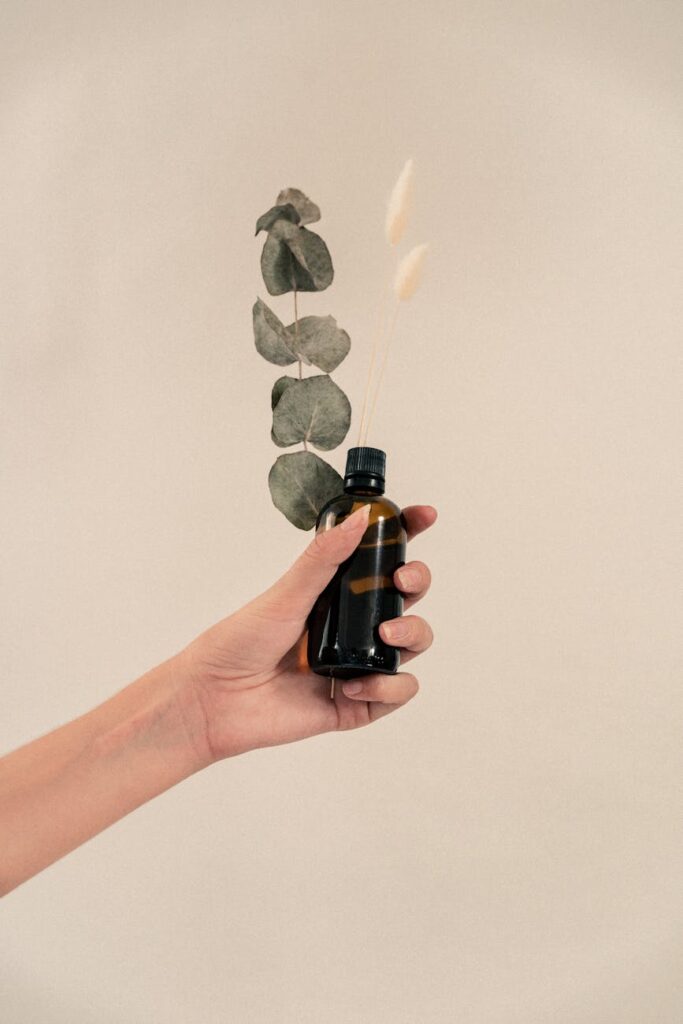
Complete Guide to Aromatherapy Blends for Emotional Healing Part 5
Introduction
Aromatherapy has emerged as a popular holistic practice, combining the use of essential oils with the art of healing through scent. This guide, the fifth installment in a comprehensive series, delves into the specific realm of aromatherapy blends designed for emotional healing. By understanding these blends, their benefits, and practical applications, individuals can harness the power of scent to support emotional well-being.
What Is Aromatherapy Blends for Emotional Healing?
Aromatherapy blends for emotional healing are carefully curated mixtures of essential oils that aim to promote emotional balance and mental clarity. These blends can influence mood, alleviate stress, and enhance overall emotional health by engaging the olfactory system. The application of these blends is rooted in the understanding that certain scents can evoke feelings, stimulate memories, and even influence physiological responses.
Essential Oils in Emotional Healing
Essential oils are concentrated plant extracts obtained through various methods, including steam distillation and cold pressing. Each oil carries its unique aromatic profile and therapeutic properties. When blended, these oils can create synergistic effects, enhancing their individual benefits and creating new emotional responses.
Key Benefits and Properties
Aromatherapy blends for emotional healing offer a variety of benefits, including:
- Stress Reduction: Many essential oils have calming properties that help reduce anxiety and tension.
- Mood Enhancement: Certain oils can uplift spirits or instill feelings of joy and contentment.
- Emotional Release: Some blends can facilitate processing and releasing pent-up emotions.
- Mental Clarity: Specific oils can enhance focus and clarity, aiding in emotional decision-making.
- Relaxation: Blends that promote relaxation can help prepare the mind and body for restful sleep.
- Home Environment: Diffusing blends in living areas can create a calming atmosphere conducive to relaxation.
- Workplace: Blends can be used to enhance focus and reduce stress during work hours.
- Meditation and Mindfulness: Incorporating essential oils into meditation practices can deepen the experience and enhance emotional release.
- Baths and Body Care: Adding blends to bathwater or body oils can provide a soothing self-care ritual.
- Personal Inhalers: Carrying a personal inhaler with a blend can offer support in stressful situations.
- Dilution: Always dilute essential oils with a carrier oil before applying them to the skin to prevent irritation.
- Patch Test: Conduct a patch test on a small area of skin to check for any allergic reactions.
- Pregnancy and Lactation: Certain oils may not be suitable for pregnant or nursing individuals. It is advisable to conduct thorough research or consult a knowledgeable professional.
- Children and Pets: Some essential oils can be harmful to children and pets. Ensure that any oils used in the household are safe for all occupants.
- Sensitive Conditions: Individuals with certain medical conditions or sensitivities should exercise caution and consider consulting a healthcare professional before using essential oils.
- Cool, Dark Place: Store essential oils in a cool, dark environment, away from direct sunlight and heat sources.
- Tightly Sealed Containers: Keep oils in tightly sealed dark glass bottles to prevent oxidation and contamination.
- Shelf Life: While many essential oils can last for several years, their shelf life varies. Citrus oils generally have a shorter shelf life (1-2 years), while oils like sandalwood or patchouli can improve with age.
Popular Essential Oils for Emotional Healing
1. Lavender: Known for its calming effects, lavender is often used to alleviate anxiety and promote restful sleep.
2. Bergamot: This citrus oil is celebrated for its uplifting properties, helping to combat feelings of sadness and stress.
3. Ylang Ylang: With its sweet floral scent, ylang ylang is known for reducing tension and promoting a sense of peace.
4. Frankincense: Often used in meditation, frankincense can enhance feelings of tranquility and mindfulness.
5. Sandalwood: Renowned for its grounding properties, sandalwood can help ease emotional turmoil and promote clarity.
Common Uses
Aromatherapy blends for emotional healing can be employed in various settings and situations, including:
Aromatherapy Applications
Aromatherapy blends can be applied in various ways to maximize their emotional healing benefits:
1. Diffusion
Using an essential oil diffuser is one of the most popular methods to disperse aromatic molecules into the air. This method allows for a consistent release of fragrance, helping to create a peaceful environment.
2. Topical Application
Diluting essential oils in carrier oils (such as jojoba, coconut, or almond oil) allows for safe topical application. Common areas for application include pulse points, the back of the neck, and the soles of the feet.
3. Inhalation
Inhaling essential oils directly from the bottle or from a personal inhaler can provide immediate emotional relief. This method is particularly effective for quick stress relief or emotional grounding.
4. Bathing
Adding a few drops of essential oil blends to bathwater can create a luxurious and therapeutic experience. For added benefits, mix the oils with a carrier before adding them to the water to ensure even distribution.
5. Massage
Incorporating aromatherapy blends into massage oils can enhance the emotional and physical benefits of massage, promoting relaxation and emotional release.
Safety Considerations
While aromatherapy can be a supportive practice for emotional healing, several safety considerations should be kept in mind:
Storage and Shelf Life
Proper storage is essential for maintaining the integrity and potency of essential oils:
Frequently Asked Questions
Q1: How do I choose the right aromatherapy blend for my emotional needs?
A: Consider what emotions you wish to address. Research essential oils known for their specific properties, and try creating or purchasing blends that resonate with your emotional goals.
Q2: Can I make my own aromatherapy blends?
A: Yes, creating your blends can be a rewarding experience. Start with a base oil, such as lavender or bergamot, and add complementary oils to achieve a desired scent and emotional effect.
Q3: How often should I use aromatherapy blends?
A: The frequency of use can vary based on individual needs. You may find benefit from daily use, while others might prefer using them during specific stressful situations or as part of a self-care routine.
Q4: Can aromatherapy replace professional mental health treatment?
A: Aromatherapy can be a supportive tool for emotional well-being, but it should not be viewed as a substitute for professional mental health treatment. If you are experiencing significant emotional distress, consider seeking guidance from a qualified mental health professional.
Q5: Are there any essential oils I should avoid?
A: Some essential oils may cause irritation or adverse reactions, particularly for certain individuals. It is advisable to conduct research and perform patch tests, especially for oils that are known to be more potent or irritating.
Conclusion
Aromatherapy blends for emotional healing offer a unique and holistic approach to enhancing emotional well-being. By understanding the properties of various essential oils, their applications, and safety considerations, individuals can effectively incorporate these scents into their daily lives. Whether used for stress relief, mood enhancement, or emotional balance, aromatherapy can serve as a valuable tool in the pursuit of emotional health.