
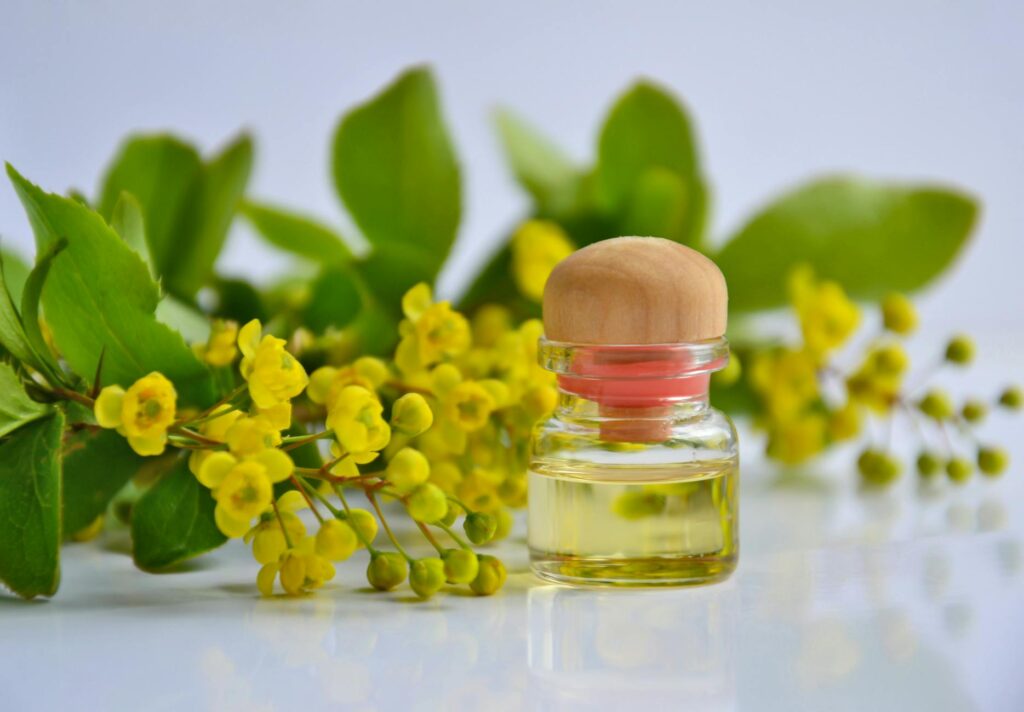
Complete Guide to Aromatherapy Blends for Energy Boost Part 6
Introduction
Aromatherapy is an ancient practice that utilizes essential oils derived from plants to promote physical, emotional, and mental well-being. Among the various applications of aromatherapy, creating blends that enhance energy levels is particularly popular. These energy-boosting blends are crafted from essential oils known for their invigorating and revitalizing properties. In this article, we will delve into the intricacies of aromatherapy blends designed to boost energy, exploring their benefits, common uses, applications, and important safety considerations.
What Is Aromatherapy Blends for Energy Boost?
Aromatherapy blends for energy boost are specifically formulated mixtures of essential oils that are believed to enhance alertness, focus, and overall vitality. These blends typically feature oils that possess stimulating properties, which serve to invigorate the senses and uplift the spirit. Common essential oils used in these blends include peppermint, lemon, eucalyptus, and rosemary, among others. By inhaling or applying these blends, individuals may experience a refreshing energy lift that can help combat fatigue and promote a more vibrant state of mind.
Key Benefits and Properties
The benefits of using aromatherapy blends for energy boost are multifaceted. Here are some key properties associated with these invigorating concoctions:
1. Stimulating Aroma: Essential oils such as peppermint and citrus oils are known for their refreshing scents that can awaken the senses and promote mental clarity.
2. Mood Enhancement: Many of the oils used in energy blends have properties that can uplift mood and reduce feelings of fatigue or lethargy.
3. Increased Focus and Concentration: Certain essential oils, like rosemary and lemon, are believed to enhance cognitive function, leading to improved concentration and productivity.
4. Stress Reduction: While primarily used for energy, some blends can also help alleviate stress, which may indirectly boost energy levels by reducing mental fatigue.
5. Physical Stimulation: Essential oils like eucalyptus can invigorate physical energy, making them suitable for pre-workout applications or during sluggish afternoons.
Common Uses
Aromatherapy blends for energy boost can be employed in a variety of settings and situations:
1. Workplace: Many individuals use these blends in their workplaces to stay alert and focused during long hours.
2. Study Sessions: Students often turn to energy-boosting blends to enhance concentration and combat the fatigue associated with extended periods of studying.
3. Exercise: Applying energizing blends before a workout can help increase motivation and physical performance.
4. During Afternoon Slumps: A quick inhalation of an energy blend can help overcome the midday slump that many people experience.
5. Travel: Energy blends can be beneficial during long journeys, helping to combat fatigue and maintain alertness.
Aromatherapy Applications
There are several ways to apply aromatherapy blends for energy boosting, each suited to different preferences and contexts:
1. Diffusion: Using an essential oil diffuser is a popular method. Simply add a few drops of your chosen energy blend to the diffuser and enjoy the invigorating aroma filling your space.
2. Inhalation: Place a few drops of the energy blend on a cotton ball or tissue and take deep breaths. This method allows for immediate effects, especially useful during moments of fatigue.
3. Topical Application: Diluting essential oils in a carrier oil (such as jojoba or coconut oil) and applying them to pulse points can provide both aromatic and therapeutic benefits. Common pulse points include the wrists, temples, and behind the ears.
4. Baths: Adding a few drops of an energy-boosting blend to a warm bath can create an invigorating experience, stimulating both the body and mind.
5. Roller Bottles: Creating a roller bottle with your energy blend allows for easy application on-the-go. Simply roll it on your wrists or neck when you need a quick pick-me-up.
Safety Considerations
While aromatherapy is generally considered safe, there are important safety considerations to keep in mind:
1. Dilution: Always dilute essential oils before applying them to the skin. A common guideline is to use a 1-2% dilution for topical application, which translates to approximately 1-2 drops of essential oil per teaspoon of carrier oil.
2. Skin Sensitivity: Conduct a patch test before using a new essential oil to check for skin sensitivity or allergic reactions. Apply a small amount of diluted oil on an inconspicuous area of skin and wait 24 hours.
3. Pregnancy and Nursing: Some essential oils are not recommended for use during pregnancy or while nursing. It is advisable to consult with a knowledgeable professional regarding safe choices during these times.
4. Children and Pets: Exercise caution when using essential oils around young children and pets, as some oils can be irritating or toxic to them. Always research specific oils to understand their safety profiles.
5. Quality of Essential Oils: Use high-quality, pure essential oils from reputable sources. Synthetic fragrances and diluted oils may not provide the desired effects and can sometimes cause adverse reactions.
Storage and Shelf Life
Proper storage of essential oils is crucial to maintain their potency and effectiveness. Here are some tips for optimal storage:
1. Keep Away from Light: Essential oils are sensitive to light. Store them in dark glass bottles, preferably amber or cobalt blue, to minimize exposure to sunlight.
2. Cool Environment: Store essential oils in a cool, dry place, away from heat sources, which can degrade their quality.
3. Seal Tightly: Ensure that bottles are tightly sealed when not in use to prevent evaporation and contamination.
4. Shelf Life: Most essential oils have a shelf life of 1-3 years, although some, like citrus oils, may have shorter lifespans. Check the oil’s specific guidelines for best usage.
Frequently Asked Questions
1. How many drops of essential oil should I use in a blend?
The number of drops depends on the type of blend and its intended use. A common guideline is to use 5-10 drops of essential oil in a diffuser. For topical application, a 1-2% dilution is recommended.
2. Can I mix different essential oils for an energy boost?
Yes, blending different essential oils can create a unique, customized energy boost. Popular combinations include peppermint with lemon or eucalyptus with rosemary.
3. Are there any essential oils I should avoid using together?
While most essential oils can be blended safely, it is wise to research specific combinations, as some oils can counteract each other’s effects or cause irritation.
4. How quickly can I expect to feel the effects of an energy blend?
The onset of effects can vary based on the method of application. Inhalation may provide immediate effects, while topical application may take longer to notice benefits.
5. Can I use energy blends during meditation or relaxation practices?
Energy blends can invigorate the mind, but for meditation or relaxation, consider using calming oils like lavender or chamomile. It is important to choose oils that align with your desired outcome.
Conclusion
Aromatherapy blends for energy boost offer a natural and aromatic way to enhance vitality and mental clarity. With a wide variety of essential oils to choose from, individuals can tailor their blends to suit their personal preferences and needs. By understanding the benefits, common uses, and safety considerations associated with these invigorating blends, one can confidently explore the world of aromatherapy and incorporate it into daily life for a refreshing energy lift.