
Complete Guide to Aromatherapy Blends for Enhanced Respiratory Function
Introduction
Aromatherapy, the practice of using essential oils derived from plants for therapeutic purposes, has gained popularity as a holistic approach to enhance well-being. Among its many applications, the use of aromatherapy blends to support respiratory function is particularly notable. This guide explores the various aspects of aromatherapy blends designed to promote respiratory health, including their benefits, common uses, applications, and safety considerations.
What Is Aromatherapy Blends for Enhanced Respiratory Function?
Aromatherapy blends for enhanced respiratory function typically consist of a combination of essential oils that are believed to support the respiratory system. These blends can help in easing congestion, promoting clear breathing, and creating a sense of calm. The essential oils used may have properties that can aid in soothing the airways, reducing inflammation, or acting as decongestants.
Commonly used essential oils in these blends include eucalyptus, peppermint, tea tree, lavender, and lemon. Each oil possesses unique characteristics that contribute to the overall effectiveness of the blend.
Key Benefits and Properties
The primary benefits of using aromatherapy blends for respiratory function include:
- Decongestant Properties: Certain essential oils, such as eucalyptus and peppermint, are known for their ability to alleviate nasal congestion and promote airflow.
- Antimicrobial Effects: Essential oils like tea tree oil have antimicrobial properties, which may help in reducing the risk of respiratory infections.
- Anti-inflammatory Action: Oils such as lavender and frankincense may possess anti-inflammatory effects, which can soothe irritated airways.
- Relaxation and Stress Relief: Blends that include calming oils, such as lavender and chamomile, can help reduce stress and anxiety, which may indirectly support respiratory function by promoting relaxation.
- Improved Sleep Quality: Good respiratory function is essential for restorative sleep. Certain blends may enhance sleep quality, leading to better overall health.
- Diffusion: Adding a few drops of a respiratory blend to a diffuser can help disperse the essential oils into the air, allowing for inhalation while promoting a pleasant atmosphere.
- Inhalation: Inhaling essential oils directly from the bottle or by placing drops on a tissue can provide immediate respiratory support.
- Topical Application: Diluting essential oils in a carrier oil and applying them to the chest, back, or neck can provide localized benefits.
- Steam Inhalation: Adding essential oils to a bowl of hot water and inhaling the steam can help clear the airways and provide relief.
- Bathing: Adding a few drops of an essential oil blend to a warm bath allows for both inhalation and skin absorption, providing a holistic experience.
- Dilution: Always dilute essential oils before topical application to minimize the risk of skin irritation.
- Quality of Oils: Use high-quality, pure essential oils from reputable sources to ensure safety and efficacy.
- Allergic Reactions: Conduct a patch test when trying a new essential oil to check for allergic reactions. Apply a small amount of diluted oil to the skin and observe for any adverse reactions.
- Pregnancy and Nursing: Pregnant or nursing individuals should consult with a healthcare professional before using essential oils, as some oils may not be advisable during these periods.
- Children and Pets: Certain essential oils may not be safe for children or pets. Research specific oils and their recommended age restrictions.
- Pre-existing Conditions: Individuals with respiratory conditions should consult with a healthcare professional before using aromatherapy, as some oils may exacerbate symptoms.
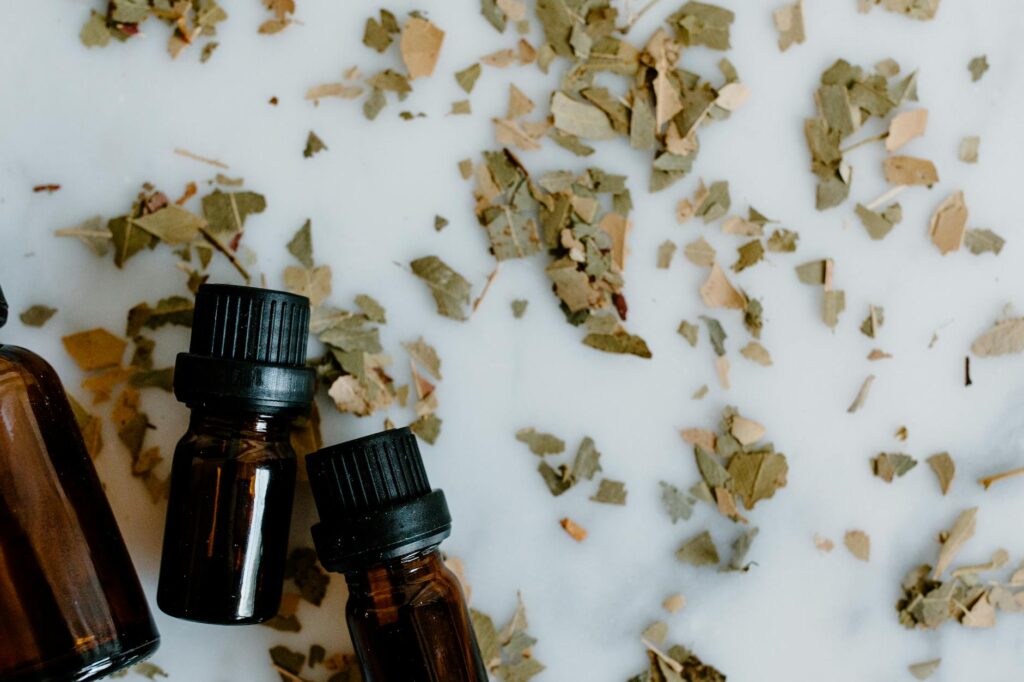
- Dark Glass Containers: Store oils in dark glass bottles to protect them from light, which can degrade their quality.
- Cool Environment: Keep essential oils in a cool, dark place, away from direct sunlight and heat sources.
- Tight Sealing: Ensure that the bottles are tightly sealed to prevent oxidation.
- Shelf Life: Most essential oils have a shelf life of 1-3 years, depending on the type. Citrus oils tend to have a shorter shelf life than oils like sandalwood or patchouli.
Common Uses
Aromatherapy blends for respiratory function can be utilized in various settings and situations. Some common uses include:
Aromatherapy Applications
The application of aromatherapy blends can vary based on individual preferences and needs. Here are some popular methods:
1. Diffusers
Using an ultrasonic or nebulizing diffuser is one of the most effective ways to disperse essential oils into the air. This method allows for consistent inhalation of the beneficial compounds while also creating a calming ambiance.
2. Topical Application
To apply essential oils topically, it is essential to dilute them in a carrier oil, such as coconut oil or jojoba oil. A common dilution ratio is 1-2 drops of essential oil per teaspoon of carrier oil. Popular application areas include the chest and the back of the neck.
3. Steam Inhalation
To create a steam inhalation, fill a bowl with hot water and add a few drops of the desired essential oil. Cover your head with a towel, lean over the bowl, and inhale deeply. This method is particularly effective for clearing nasal passages.
4. Bathing
Adding essential oils to a warm bath can provide both inhalation and skin absorption benefits. It is advisable to mix the oils with a dispersing agent, such as bath salts or milk, to ensure even distribution in the water.
5. Inhalers
Personal inhalers can be a convenient option for on-the-go use. These small devices can be filled with cotton soaked in essential oils, allowing for easy inhalation whenever needed.
Safety Considerations
While aromatherapy can be beneficial, it is essential to practice caution. Here are some safety considerations when using essential oils for respiratory function:
Storage and Shelf Life
To maintain the potency and effectiveness of essential oils, proper storage is essential. Here are some tips for storing essential oils:
Frequently Asked Questions
1. Can aromatherapy completely cure respiratory issues?
Aromatherapy is not a cure for respiratory issues but may provide supportive benefits. It is essential to consult with a healthcare professional for any persisting health concerns.
2. Are there any essential oils I should avoid?
Certain essential oils, such as eucalyptus and peppermint, may not be suitable for very young children or pregnant individuals. Always research specific oils before use.
3. How often can I use aromatherapy blends?
The frequency of use depends on individual preferences and responses. It is advisable to start slowly and monitor how your body reacts.
4. Can I create my own aromatherapy blend?
Yes, creating your own blend can be a rewarding experience. Start with a few essential oils known for their respiratory benefits and experiment with different ratios until you find a blend that suits you.
5. What if I experience irritation?
If you experience skin irritation or an allergic reaction, discontinue use immediately. Rinse the area with a carrier oil and seek medical advice if necessary.
Conclusion
Aromatherapy blends for enhanced respiratory function offer a natural approach to support well-being. By understanding the benefits, common uses, applications, and safety considerations, individuals can make informed decisions about incorporating essential oils into their wellness routines. As with all holistic practices, it is essential to listen to your body and consult with professionals when needed, ensuring a safe and effective experience.