
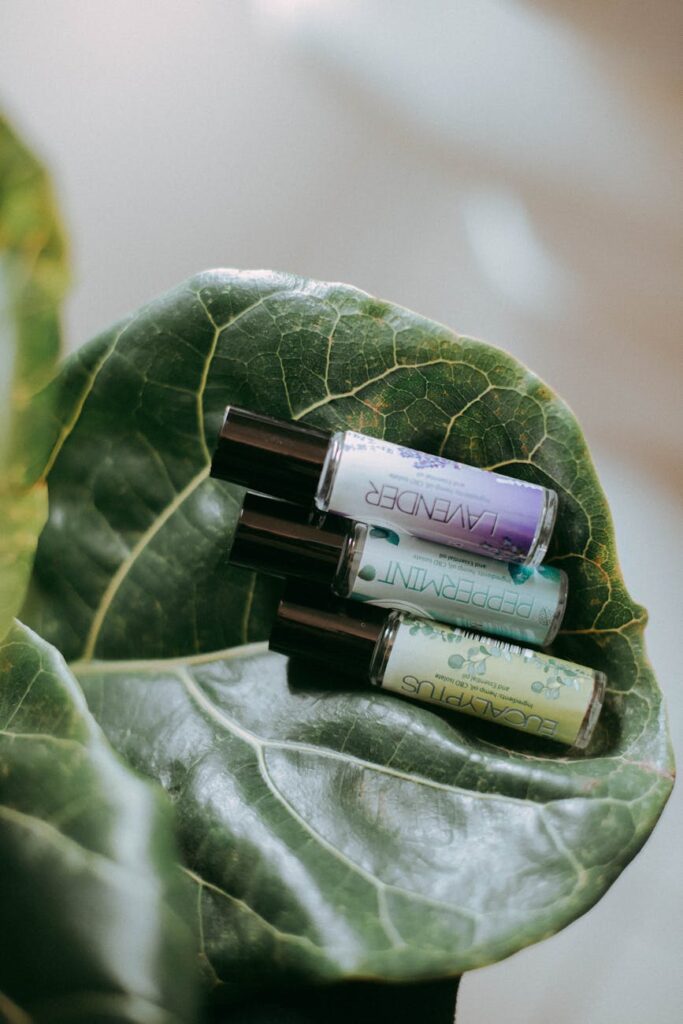
Complete Guide to Aromatherapy Blends for Focus and Concentration Part 6
Introduction
In an increasingly fast-paced world, the quest for improved focus and concentration has become paramount for many. Aromatherapy, the practice of utilizing essential oils derived from plants for therapeutic benefits, offers a natural approach to enhancing mental clarity and productivity. This article serves as a comprehensive guide to aromatherapy blends specifically designed to foster focus and concentration, providing insights into their properties, applications, and best practices.
What Is Aromatherapy Blends for Focus and Concentration?
Aromatherapy blends for focus and concentration are mixtures of essential oils that have been selected and combined based on their unique aromatic properties and potential effects on mental clarity. These blends are crafted to stimulate cognitive functions, promote alertness, and create an environment conducive to concentration. Commonly used in both personal and professional settings, these blends can be diffused, inhaled, or applied topically to support mental acuity.
Key Benefits and Properties
The essential oils utilized in focus and concentration blends come with a variety of benefits that contribute to enhanced mental performance. Here are some key properties:
1. Stimulant Properties
Certain essential oils invigorate the senses and stimulate brain activity. Oils such as peppermint and rosemary are renowned for their ability to enhance alertness and cognitive function.
2. Mood Enhancement
Aromas can profoundly influence mood. Citrus oils like lemon and sweet orange are uplifting and can help combat feelings of fatigue or distraction, creating a more conducive environment for focus.
3. Stress Reduction
Essential oils like lavender and frankincense are known for their calming effects. Reducing stress and anxiety can help clear mental clutter, allowing for better concentration.
4. Memory Support
Some oils, such as basil and sage, are believed to assist with memory retention and recall, further enhancing the ability to concentrate on tasks.
Common Uses
Aromatherapy blends for focus and concentration can be employed in various settings and situations. Here are some common uses:
1. Workplace
Many professionals use these blends in their offices to maintain productivity and focus during long working hours. Diffusing essential oils can create a stimulating environment that encourages creativity and concentration.
2. Study Sessions
Students often benefit from aromatherapy during study sessions. A blend of stimulating oils can help maintain alertness and improve information retention.
3. Creative Endeavors
Artists, writers, and other creatives may use these blends to inspire creativity and focus, enhancing their ability to engage in their work without distraction.
4. Mindfulness Practices
Incorporating aromatherapy into meditation or yoga can enhance mental clarity and focus, allowing practitioners to deepen their concentration during these activities.
Aromatherapy Applications
When it comes to applying aromatherapy blends for focus and concentration, there are several methods to consider:
1. Diffusion
Using an essential oil diffuser is one of the most popular methods for dispersing aromatic compounds into the air. This method allows you to enjoy the benefits of the oils while creating a pleasant atmosphere.
2. Inhalation
Inhaling essential oils directly from the bottle or using a personal inhaler can provide immediate effects. This method is particularly useful when you need a quick boost of focus.
3. Topical Application
Diluting essential oils with a carrier oil (such as coconut or jojoba oil) and applying them to pulse points can provide localized benefits. Popular areas for application include the wrists, temples, and neck.
4. Bathing
Adding essential oils to a bath can create a relaxing environment that promotes mental clarity. This can be an effective way to incorporate aromatherapy into a self-care routine.
Safety Considerations
While aromatherapy can be beneficial, it is important to practice safety when using essential oils:
1. Dilution
Essential oils are highly concentrated and should always be diluted with a carrier oil before topical application to prevent skin irritation.
2. Allergies and Sensitivities
Conduct a patch test before using a new oil, especially for individuals with sensitive skin or allergies. Discontinue use if any irritation occurs.
3. Pregnancy and Health Conditions
Certain essential oils may not be suitable for pregnant individuals or those with specific health conditions. Always consult a knowledgeable source if there are concerns.
4. Quality of Essential Oils
Select high-quality, pure essential oils from reputable sources to ensure safety and effectiveness. Synthetic oils may not provide the same benefits and could cause adverse reactions.
Storage and Shelf Life
Proper storage of essential oils is crucial for maintaining their efficacy:
1. Storage Conditions
Essential oils should be stored in a cool, dark place away from direct sunlight and heat to prevent degradation. Dark glass containers are preferable for preserving the integrity of the oils.
2. Shelf Life
Most essential oils have a shelf life of 1 to 3 years, depending on the type of oil. Citrus oils, for example, tend to have a shorter shelf life, while oils like patchouli can last longer. Always check the specific recommendations for each oil.
Frequently Asked Questions
1. Can I create my own focus and concentration blend?
Yes, creating a personalized blend can be rewarding. Start with a base oil and add a few drops of stimulating and uplifting oils until you find a combination that resonates with you.
2. How many essential oils can I mix together?
While there is no strict rule, it is advisable to limit blends to 3-5 essential oils to prevent overwhelming the senses and ensure a balanced aroma.
3. How often should I use aromatherapy for focus?
The frequency of use depends on individual needs and preferences. Some may benefit from using aromatherapy throughout the day, while others may prefer it only during specific activities.
4. Are there any contraindications for using essential oils?
Yes, certain essential oils may have contraindications, particularly for those with specific medical conditions or those who are pregnant. It is always best to research individual oils beforehand.
5. Can I use essential oils in a candle?
While some people choose to add essential oils to candles, it is important to ensure that the oils used are safe for this purpose and that the candle is made from natural materials.
Conclusion
Aromatherapy blends for focus and concentration offer a natural and holistic approach to enhancing mental clarity and productivity. By understanding the properties, applications, and safety considerations of these essential oils, individuals can effectively incorporate them into their daily routines. Whether for work, study, or creative pursuits, the judicious use of these aromatic compounds can foster an environment of focus and concentration, ultimately supporting personal and professional growth.