
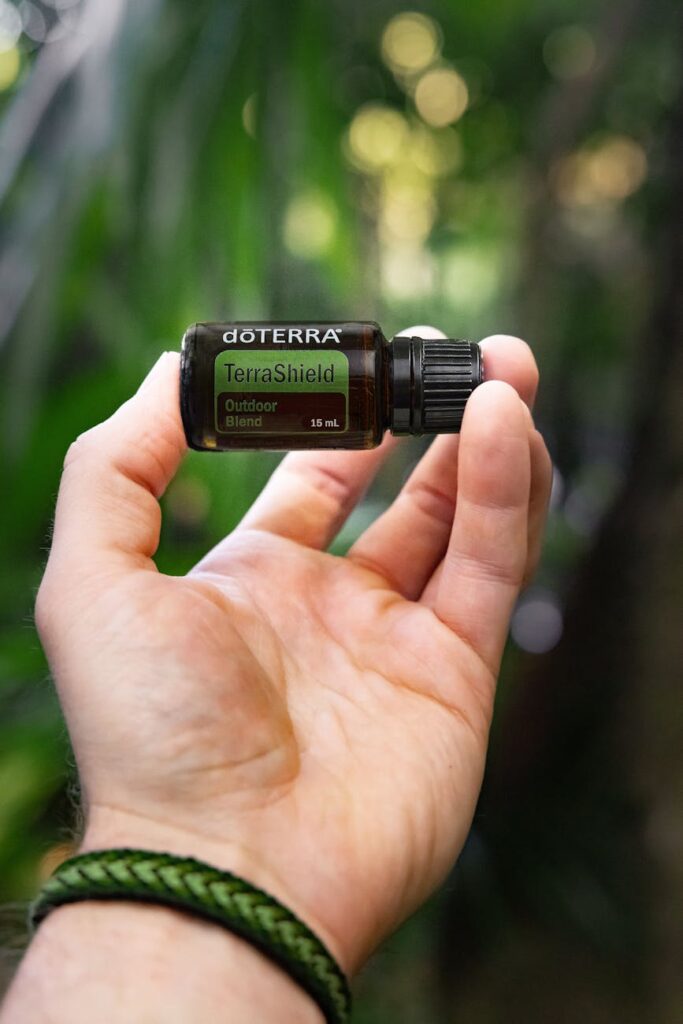
Complete Guide to Aromatherapy Blends for Heart Health Part 7
Introduction
Aromatherapy, the practice of using essential oils extracted from plants for therapeutic purposes, has gained popularity as a holistic approach to wellness. Among its various applications, aromatherapy blends targeting heart health are particularly noteworthy. This guide explores the principles, benefits, common uses, and safety considerations associated with these blends, providing a comprehensive resource for those interested in enhancing their well-being through aromatic practices.
What Is Aromatherapy Blends for Heart Health?
Aromatherapy blends for heart health are specifically formulated combinations of essential oils that aim to support emotional and physical aspects related to heart wellness. While they are not intended to treat or cure any medical conditions, these blends can promote relaxation, reduce stress, and enhance overall emotional well-being, which are essential factors in maintaining heart health.
The selection of essential oils in these blends often stems from their unique properties, including their ability to soothe anxiety, uplift mood, and encourage a sense of calm. Some common essential oils included in heart health blends are lavender, ylang-ylang, bergamot, and geranium, each contributing its distinct qualities to support emotional balance.
Key Benefits and Properties
Aromatherapy blends for heart health may offer a variety of benefits, primarily through their psychological and emotional effects. Here are some key properties associated with the essential oils commonly used in these blends:
1. Stress Reduction: Many essential oils have calming properties that help alleviate stress and anxiety. Reducing stress can indirectly benefit heart health by lowering blood pressure and promoting relaxation.
2. Emotional Balance: Essential oils such as bergamot and ylang-ylang are known for their uplifting effects, helping to combat feelings of sadness or overwhelm, thereby fostering emotional stability.
3. Improved Sleep Quality: Oils like lavender are often used to promote restful sleep. Quality sleep is essential for overall health, including heart health.
4. Mood Enhancement: The aromatic properties of certain essential oils can enhance mood and promote a sense of well-being, contributing to a healthier emotional state.
5. Antioxidant Properties: Some essential oils contain antioxidants, which can help combat oxidative stress in the body, promoting overall heart health.
Common Uses
Aromatherapy blends for heart health can be employed in various ways:
1. Diffusion: Using an essential oil diffuser to disperse the aroma of heart health blends into the air can create a calming atmosphere in any space.
2. Topical Application: Diluted essential oils can be applied to pulse points, such as the wrists and neck, to enjoy the benefits throughout the day.
3. Bathing: Adding aromatherapy blends to bathwater can enhance relaxation and provide a soothing experience, allowing for a moment of self-care.
4. Inhalation: Inhaling the scent directly from the bottle or using a personal inhaler can provide immediate stress relief and mood enhancement.
5. Massage: Incorporating heart health blends into massage oil can promote relaxation and enhance the physical connection during a massage.
Aromatherapy Applications
When using aromatherapy blends for heart health, it is essential to consider the methods of application. Here are some effective techniques:
Diffusion
Diffusion is one of the most popular ways to enjoy essential oils. Here are some effective diffusion methods:
- Ultrasonic Diffusers: These devices use water to disperse essential oils into fine mist, making them easy to inhale.
- Heat Diffusers: These use gentle heat to evaporate the oils, releasing their fragrance into the atmosphere.
- Reed Diffusers: A more passive option, reed diffusers consist of a container filled with essential oils and reeds that absorb and release the aroma.
Topical Application
When applying essential oils topically, it is crucial to dilute them with a carrier oil. Common carrier oils include jojoba oil, sweet almond oil, and coconut oil. A general guideline is to use a dilution ratio of 2-3 drops of essential oil per teaspoon of carrier oil.
Bathing
To create a relaxing bath experience, add a few drops of the aromatherapy blend to your bathwater along with a carrier oil or Epsom salts. This method allows the oils to penetrate the skin while enveloping you in a soothing aroma.
Inhalation
For immediate effects, inhalation can be a great option. Place a few drops of the essential oil on a cotton ball or tissue and inhale deeply. Alternatively, using a personal inhaler can provide on-the-go access to calming scents.
Massage
Incorporating essential oils into a massage can enhance relaxation and promote emotional well-being. Mix the aromatherapy blend with a carrier oil and apply it during a massage session to enjoy its full benefits.
Safety Considerations
While aromatherapy blends for heart health can be beneficial, safety is paramount. Here are some essential guidelines:
1. Dilution: Always dilute essential oils before topical use to avoid skin irritation. A dilution of 2-3% is generally safe for most adults.
2. Patch Testing: Conduct a patch test before applying a new essential oil blend to ensure there is no allergic reaction. Apply a small amount to a discreet area and wait 24 hours.
3. Quality of Oils: Use high-quality, pure essential oils from reputable sources to ensure safety and efficacy. Adulterated or synthetic oils may not provide the desired benefits and can cause adverse reactions.
4. Pregnancy and Nursing: Pregnant or nursing individuals should consult with a healthcare professional before using essential oils, as some oils may not be safe during these periods.
5. Pre-existing Conditions: Individuals with pre-existing health conditions, especially related to the heart, should consult a healthcare professional before incorporating essential oils into their routine.
6. Storage: Store essential oils in a cool, dark place to maintain their potency and prevent degradation.
Storage and Shelf Life
Proper storage of essential oils is crucial for preserving their quality. Follow these tips for optimal storage:
1. Containers: Use dark glass containers to protect essential oils from light, which can cause degradation. Avoid plastic containers as they can leach chemicals into the oils.
2. Temperature: Store essential oils in a cool, dry place away from direct sunlight and heat sources. Extreme temperatures can affect the integrity of the oils.
3. Shelf Life: The shelf life of essential oils varies depending on the type. Generally, citrus oils have a shorter shelf life (1-2 years), while oils like sandalwood and patchouli can last for several years when stored properly.
Frequently Asked Questions
1. Can aromatherapy blends replace medical treatment for heart health?
No, aromatherapy blends should not be used as a substitute for medical treatment. They can complement a holistic approach to wellness but should not replace conventional medical care.
2. How often can I use aromatherapy blends for heart health?
Usage frequency may vary depending on individual preferences and sensitivities. It is generally safe to use aromatherapy blends daily, but it’s essential to monitor your body’s response and adjust accordingly.
3. Are there any essential oils that should be avoided?
Some essential oils may cause irritation or adverse reactions in certain individuals. It is essential to research and test any new oils before use. Pregnant and nursing individuals should be particularly cautious and consult a healthcare professional.
4. Can children use aromatherapy blends?
Yes, but caution is advised. Essential oils should be diluted significantly for children, and certain oils may not be suitable for younger age groups. Always consult with a knowledgeable source before use.
5. How do I choose the right blend for my needs?
Selecting the right blend depends on your individual emotional and physical needs. Consider what you aim to achieve—stress relief, emotional balance, or relaxation—and choose oils that align with those goals.
Conclusion
Aromatherapy blends for heart health offer an inviting approach to enhancing emotional well-being and fostering a sense of calm. Through mindful application and an understanding of the properties of various essential oils, individuals can incorporate these blends into their daily routine for a holistic enhancement of heart health. Always prioritize safety and quality when exploring the world of aromatherapy, and consider these blends as part of a broader approach to well-being.