
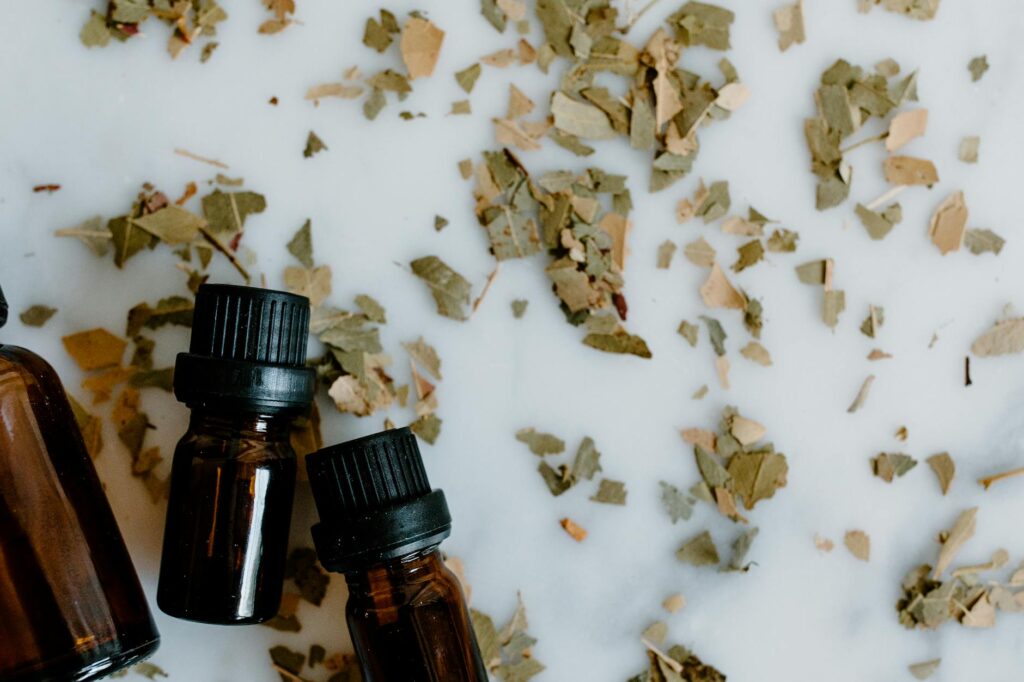
Complete Guide to Aromatherapy Blends for Heart Health
Introduction
Aromatherapy is an ancient practice that utilizes the natural therapeutic properties of essential oils derived from plants. With increasing interest in holistic health, many individuals are exploring the potential benefits of aromatherapy, particularly when it comes to heart health. This guide aims to provide comprehensive insights into aromatherapy blends that may support cardiovascular well-being, highlighting their properties, common uses, applications, safety considerations, and more.
What Is Aromatherapy Blends for Heart Health?
Aromatherapy blends for heart health typically consist of a combination of essential oils selected for their potential positive effects on emotional and physical well-being. While essential oils cannot replace conventional treatments or medications, they may complement a holistic approach to maintaining heart health. Certain oils are believed to promote relaxation, reduce stress, and support emotional balance—factors that are crucial for overall cardiovascular health.
Key Essential Oils for Heart Health
1. Bergamot (Citrus bergamia): Known for its uplifting and calming properties, bergamot may help reduce anxiety and stress, which can benefit heart health.
2. Ylang Ylang (Cananga odorata): Often used for its soothing effects, ylang ylang can promote relaxation and reduce blood pressure.
3. Lavender (Lavandula angustifolia): Renowned for its calming effects, lavender may help alleviate stress and promote a sense of tranquility.
4. Frankincense (Boswellia carterii): This oil is celebrated for its grounding and centering properties, which can enhance emotional well-being.
5. Rose (Rosa damascena): Known as a symbol of love, rose essential oil is often associated with emotional healing and can promote feelings of compassion and calm.
Key Benefits and Properties
Aromatherapy blends targeting heart health are believed to offer several benefits. While scientific evidence may be limited, anecdotal support suggests the following properties:
- Stress Reduction: Many essential oils can help mitigate feelings of stress and anxiety, contributing to a more relaxed state.
- Emotional Balance: Essential oils like rose and ylang ylang can foster emotional stability and aid in mood regulation.
- Enhanced Circulation: Some oils may stimulate circulation, though more research is needed to substantiate these claims.
- Support for Relaxation: Oils such as lavender can promote relaxation, which may indirectly benefit cardiovascular health.
- Mood Enhancement: Citrus oils like bergamot can uplift mood and promote a sense of well-being.
- Diffusion: Adding essential oils to a diffuser allows for the gradual release of fragrance into the air, creating a calming atmosphere.
- Topical Application: Diluting essential oils with a carrier oil and applying them to pulse points can provide localized benefits.
- Bathing: Adding essential oils to bath water can create a soothing and immersive experience.
- Inhalation: Simply inhaling the scent of essential oils directly from the bottle or from a cotton ball can provide immediate emotional support.
- Dilution: Always dilute essential oils before applying them to the skin to avoid irritation.
- Patch Test: Perform a patch test with a small amount of diluted oil on your skin to check for allergic reactions.
- Pregnancy and Nursing: Consult with a healthcare professional before using essential oils if pregnant or nursing.
- Pre-existing Conditions: Those with heart conditions or other health issues should exercise caution and consult a healthcare professional before using essential oils.
- Quality of Oils: Use high-quality, pure essential oils from reputable sources. Synthetic fragrances may not provide the same benefits and could cause adverse reactions.
- Cool, Dark Place: Store essential oils in a cool, dark environment to minimize exposure to heat and light, which can degrade their quality.
- Airtight Containers: Use dark glass bottles to protect essential oils from UV light and air exposure.
- Shelf Life: Most essential oils have a shelf life of 1-3 years, depending on the oil. Citrus oils tend to have a shorter shelf life compared to woods or resins.
Common Uses
Aromatherapy blends for heart health can be used in various ways, each offering unique sensory experiences and benefits. Common practices include:
Aromatherapy Applications
Creating Heart Health Blends
When formulating an aromatherapy blend for heart health, consider the following steps:
1. Choose a Base: Select a carrier oil (like jojoba or sweet almond oil) for topical applications. For diffusion, water will suffice.
2. Select Essential Oils: Combine 2-5 essential oils that align with your emotional and physical goals. A typical blend might include 3 drops of bergamot, 2 drops of ylang ylang, and 2 drops of lavender.
3. Dilution Ratios: When applying topically, a general guideline is to use a dilution of 2-5% essential oil in the carrier oil. This equates to about 12-30 drops of essential oil per ounce of carrier oil.
4. Personalization: Adjust the blend to suit your personal preferences and needs. It’s often helpful to test small amounts initially to gauge your response.
Suggested Blends for Heart Health
1. Calming Blend: 3 drops lavender, 2 drops ylang ylang, and 1 drop frankincense.
2. Uplifting Blend: 3 drops bergamot, 2 drops sweet orange, and 1 drop rosemary.
3. Grounding Blend: 2 drops frankincense, 2 drops patchouli, and 2 drops cedarwood.
Safety Considerations
While aromatherapy can be a beneficial practice, it’s essential to observe safety guidelines:
Storage and Shelf Life
Proper storage is crucial for maintaining the efficacy and integrity of essential oils. Here are some tips:
Frequently Asked Questions
1. Can aromatherapy replace medical treatment for heart issues?
Aromatherapy should not be viewed as a substitute for medical treatment. It may be used as a complementary practice to support emotional well-being, but those with heart issues should seek professional medical advice.
2. How often can I use aromatherapy blends for heart health?
Frequency of use can vary based on personal preference. Many people benefit from daily use, while others may prefer occasional applications. Listen to your body and adjust accordingly.
3. Are there any essential oils I should avoid for heart health?
While many essential oils are considered safe, individuals with specific health conditions or sensitivities should exercise caution. Always consult a healthcare professional if in doubt.
4. How can I integrate aromatherapy into my daily routine?
Consider incorporating aromatherapy into your daily practices through diffusion, topical applications, or by adding oils to your bath. Establishing a routine can enhance the benefits.
5. Can essential oils be used in cooking or ingestion?
Ingestion of essential oils should only be done under the supervision of a qualified healthcare provider, as not all essential oils are safe for internal consumption.
Conclusion
Aromatherapy blends for heart health offer a holistic approach to supporting emotional and physical well-being. While essential oils are not a medical treatment, they can complement a balanced lifestyle by promoting relaxation, reducing stress, and enhancing emotional balance. By understanding the properties and applications of these oils, individuals can create personalized blends that resonate with their needs, contributing to a greater sense of heart health and overall wellness. Always remember to approach the use of essential oils with mindfulness and care, ensuring a safe and enriching experience.