
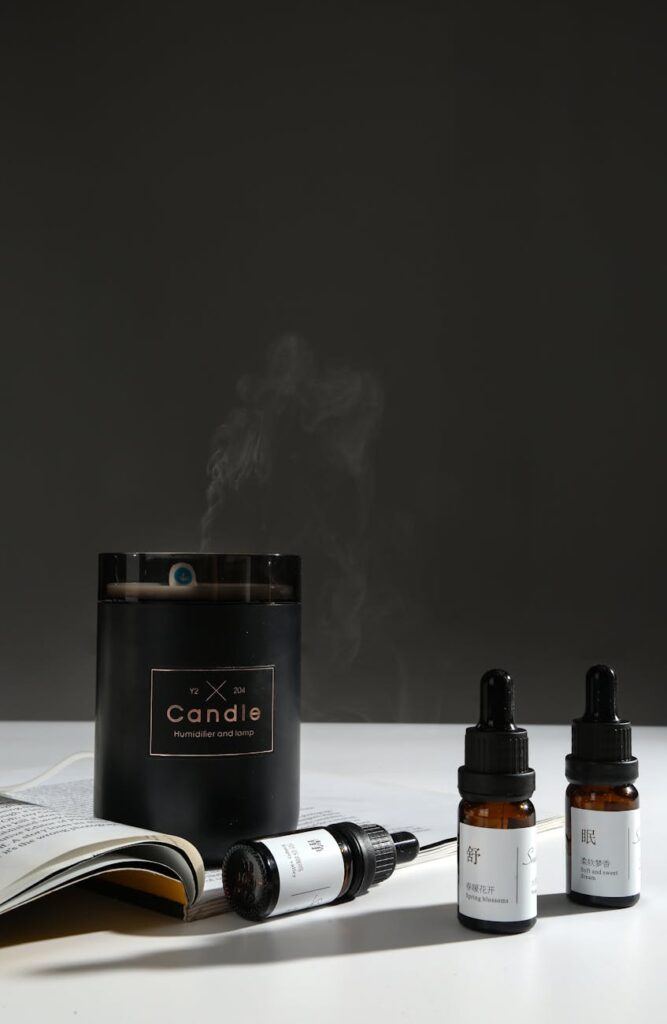
Complete Guide to Aromatherapy Blends for Hormonal Balance Part 4
Introduction
Aromatherapy, the therapeutic use of plant-derived essential oils, has gained recognition for its potential benefits in promoting well-being and emotional balance. Among its many applications, one of the most intriguing is the use of essential oil blends to support hormonal balance. This guide explores the various aspects of aromatherapy blends specifically designed to assist with hormonal regulation, focusing on their benefits, applications, and safety considerations.
What Is Aromatherapy Blends for Hormonal Balance?
Aromatherapy blends for hormonal balance consist of carefully selected essential oils that can influence mood, stress levels, and physiological functions. Hormones, the body’s chemical messengers, play a crucial role in regulating various processes, including metabolism, mood, and reproductive health. Imbalances in hormone levels can lead to a range of symptoms, including anxiety, irritability, fatigue, and physical discomfort.
These aromatherapy blends often incorporate oils that are believed to have adaptogenic properties, which help the body adapt to stress and promote homeostasis. Common essential oils used in these blends include clary sage, lavender, ylang-ylang, and geranium, among others. Each oil carries its unique profile of benefits, making them effective when combined thoughtfully.
Key Benefits and Properties
1. Mood Regulation
Many essential oils have been shown to help stabilize mood swings associated with hormonal changes. Oils like lavender and bergamot are particularly noted for their calming effects, helping to alleviate feelings of anxiety and irritability.
2. Stress Reduction
Stress can exacerbate hormonal imbalances. Oils such as frankincense and vetiver may help reduce stress levels, promoting a sense of relaxation and emotional stability.
3. Menstrual Comfort
Certain oils, like clary sage and marjoram, are often used to ease menstrual discomfort. Their antispasmodic properties can help relieve cramping and associated pain.
4. Sleep Support
Hormonal imbalances can disrupt sleep patterns. Lavender and chamomile are well-known for their sedative properties, which may improve sleep quality and duration.
5. Reproductive Health
Some essential oils have been linked to enhanced reproductive health. Oils like geranium and fennel may support hormonal functions that can improve menstrual regularity and fertility.
Common Uses
1. Diffusion
Using an essential oil diffuser is one of the most popular methods for enjoying aromatherapy blends. By dispersing oils into the air, individuals can create a calming atmosphere that promotes relaxation and emotional balance.
2. Topical Application
Essential oils can be diluted with a carrier oil and applied to pulse points, abdomen, or other areas of concern. This method allows for localized treatment and can enhance the effects of the oils on the body.
3. Bathing
Adding essential oils to bathwater can create a soothing experience, promoting relaxation and alleviating stress. It is advisable to mix oils with a carrier such as Epsom salts or a neutral base to ensure even distribution in water.
4. Inhalation
Direct inhalation of essential oils can provide immediate relief from emotional distress. Simply placing a few drops on a tissue or in the palms and inhaling can enhance mental clarity and relaxation.
Aromatherapy Applications
1. Custom Blends
Creating personalized blends tailored to individual needs can be particularly effective. For example, combining clary sage with lavender and bergamot may enhance mood stabilization while providing relaxation.
2. Roller Bottles
Pre-mixed essential oil blends in roller bottles offer convenience, allowing for easy application throughout the day. A typical blend might include clary sage, sweet orange, and peppermint, providing a refreshing and uplifting experience.
3. Pillow Sprays
Aromatherapy pillow sprays made with calming essential oils can enhance sleep quality. A blend of lavender and chamomile is commonly used to promote restful sleep.
4. Aromatic Compresses
Soaking a cloth in a blend of diluted essential oils and applying it as a compress can provide localized relief for menstrual discomfort or tension headaches.
Safety Considerations
1. Dilution
Essential oils are highly concentrated and should be diluted before topical application. A general guideline is to use a 1-3% dilution, which equates to approximately 1-3 drops of essential oil per teaspoon of carrier oil.
2. Patch Testing
Before using a new essential oil, it is advisable to conduct a patch test. Apply a small diluted amount on a discreet area of skin to check for any adverse reactions.
3. Pregnancy and Nursing
While many essential oils can be beneficial, some should be avoided during pregnancy or breastfeeding. Always consult with a qualified professional if uncertain about specific oils.
4. Medical Conditions
Individuals with specific medical conditions or those on medication should proceed with caution. Consulting a healthcare provider before using essential oils is advisable, especially for those with hormonal disorders.
Storage and Shelf Life
1. Proper Storage
Essential oils should be stored in a cool, dark place to preserve their integrity. Amber or cobalt glass bottles are ideal for protecting oils from light degradation.
2. Shelf Life
The shelf life of essential oils varies depending on the type. Generally, citrus oils have a shorter shelf life of about 1-2 years, while woody oils like cedarwood may last up to 5 years or more. Always check for any changes in aroma or consistency before use.
Frequently Asked Questions
1. Can aromatherapy replace medical treatment for hormonal imbalances?
Aromatherapy can complement traditional treatments but should not replace medical advice or treatment. Always consult a healthcare professional for persistent hormonal issues.
2. How often should I use aromatherapy blends for hormonal balance?
Usage frequency may vary based on individual preference and specific needs. Many people find daily use beneficial, while others may use it as needed.
3. Are there any essential oils to avoid for hormonal balance?
Some essential oils, such as sage and juniper, are considered contraindicated for certain conditions. It is essential to research or consult with a knowledgeable practitioner before use.
4. Can I use multiple oils in one blend?
Yes, combining multiple oils can enhance therapeutic effects. However, it is essential to choose oils with complementary properties and to dilute them appropriately.
5. Are there any side effects associated with essential oils?
While essential oils are generally safe when used correctly, possible side effects include skin irritation, allergic reactions, or headaches. If any adverse effects occur, discontinue use immediately and consult a healthcare professional.
Conclusion
Aromatherapy blends for hormonal balance offer a holistic approach to supporting emotional and physical well-being. By understanding the benefits, applications, and safety considerations associated with essential oils, individuals can make informed choices about incorporating these blends into their daily routines. Although aromatherapy is not a substitute for medical treatment, it can serve as a valuable adjunct, promoting a sense of balance and tranquility.