
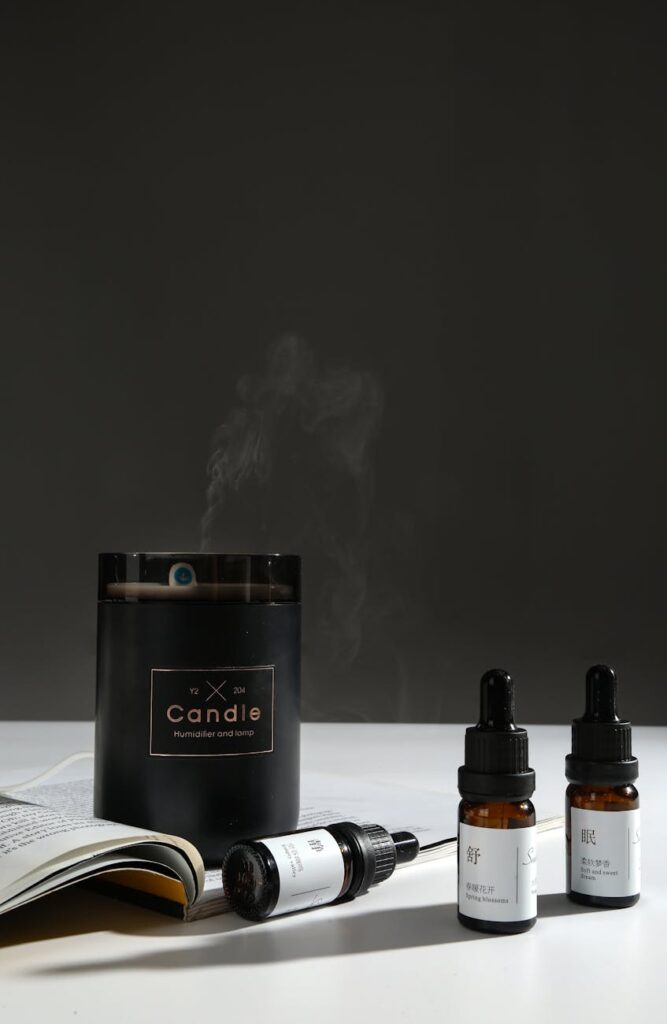
Complete Guide to Aromatherapy Blends for Hormonal Balance Part 5
Introduction
Aromatherapy, the practice of using essential oils to promote physical and emotional well-being, has garnered significant attention in recent years, particularly in its potential to support hormonal balance. Hormonal fluctuations can impact various aspects of health, including mood, energy levels, and overall quality of life. This guide delves into the intricacies of aromatherapy blends specifically tailored for hormonal balance, offering insights into their benefits, common uses, and practical applications.
What Is Aromatherapy Blends for Hormonal Balance?
Aromatherapy blends for hormonal balance are combinations of essential oils selected for their unique properties that may support the endocrine system. The endocrine system regulates hormones that influence many bodily functions, including metabolism, growth, and mood. These blends often include oils known for their balancing effects on hormones, helping to alleviate symptoms related to hormonal imbalances such as premenstrual syndrome (PMS), menopause, and stress-related hormonal fluctuations.
Essential oils are derived from various parts of plants, including leaves, flowers, stems, and roots. Each oil possesses distinct chemical compositions that contribute to its therapeutic properties. By combining several of these oils, practitioners can create synergistic effects that enhance the overall benefits of aromatherapy.
Key Benefits and Properties
Aromatherapy blends for hormonal balance can offer a multitude of benefits. While individual experiences may vary, some commonly reported benefits include:
- Emotional Stability: Essential oils like lavender and bergamot are known for their calming effects, which may help alleviate mood swings and anxiety associated with hormonal changes.
- Menstrual Support: Oils such as clary sage and geranium are often used to help relieve menstrual discomfort and promote a sense of well-being during menstruation.
- Stress Reduction: Many essential oils possess adaptogenic properties that may help the body cope with stress, which can exacerbate hormonal imbalances. Oils like frankincense and ylang-ylang are frequently utilized for this purpose.
- Enhanced Sleep Quality: Certain oils, including chamomile and vetiver, can promote relaxation and improve sleep quality, which is essential for hormonal health.
- Physical Comfort: Some blends may help alleviate physical discomfort associated with hormonal changes, such as bloating or cramping.
- Diffusion: Using an essential oil diffuser, individuals can disperse the aroma of the blend throughout a room, creating a calming environment. This method is particularly effective for emotional support.
- Topical Application: Diluting essential oils in a carrier oil (such as jojoba or coconut oil) allows for safe application to pulse points, such as wrists or behind the ears. Topical application can provide localized benefits and enhance absorption.
- Bath Additive: Adding essential oils to a warm bath can create a soothing atmosphere while allowing the oils to be absorbed through the skin. This method is especially beneficial for relaxation and stress relief.
- Inhalation: Direct inhalation of essential oils from the bottle or a cotton pad can provide immediate calming effects, making it a practical option for on-the-go stress relief.
- Clary Sage: Known for its hormone-regulating properties, clary sage is often used to ease menstrual discomfort and promote emotional well-being.
- Geranium: This oil is thought to balance hormones and may be beneficial for mood stabilization during PMS and menopause.
- Bergamot: With its uplifting aroma, bergamot can help alleviate stress and anxiety, making it a popular choice for emotional balance.
- Lavender: Renowned for its calming properties, lavender can promote relaxation and improve sleep quality, enhancing overall hormonal health.
- Ylang-Ylang: This oil is often used to reduce tension and promote feelings of joy, making it suitable for those experiencing mood swings.
- Dilution: Always dilute essential oils in a carrier oil before topical application to reduce the risk of skin irritation. A general guideline is to use a 1-2% dilution for adults (approximately 1-2 drops of essential oil per teaspoon of carrier oil).
- Patch Test: Conduct a patch test on a small area of skin to check for any adverse reactions before widespread use of a new blend.
- Allergies: Be aware of potential allergies or sensitivities to specific essential oils. Consult ingredient lists and perform allergy tests as necessary.
- Pregnancy and Nursing: Some essential oils may not be suitable for use during pregnancy or breastfeeding. It is advisable to consult with a qualified professional before using essential oils in these situations.
- Health Conditions: Individuals with specific health conditions or those taking medications should seek advice from a qualified practitioner before using essential oils, especially if they are aiming to address hormonal imbalances.
- Cool, Dark Place: Store essential oils in a cool, dark location away from direct sunlight, as light and heat can degrade the oils over time.
- Amber or Cobalt Bottles: Use dark glass containers to protect the oils from light exposure. These bottles also help prevent evaporation and maintain the integrity of the oils.
- Tightly Sealed: Ensure that the bottles are tightly sealed to prevent oxidation and contamination.
- Shelf Life: The shelf life of essential oils varies by type, but most oils can last anywhere from 1-5 years when stored properly. Check for signs of rancidity, such as changes in color, consistency, or scent, before use.
These benefits arise from the unique properties of the individual oils, which can interact with the body’s systems to promote balance and harmony.
Common Uses
Aromatherapy blends for hormonal balance can be utilized in various ways, depending on personal preferences and individual needs. Some common uses include:
Aromatherapy Applications
When creating or using aromatherapy blends for hormonal balance, consider the following common essential oils and their applications:
Each of these oils can be blended in various combinations to create personalized mixtures tailored to specific needs.
Safety Considerations
While aromatherapy is generally considered safe when used correctly, it is essential to observe the following precautions:
Storage and Shelf Life
Proper storage of essential oils is crucial to maintaining their potency and effectiveness. Here are some tips for storage:
Frequently Asked Questions
1. Can I use essential oils if I am pregnant?
While some essential oils are considered safe for use during pregnancy, others may not be suitable. It is essential to consult with a healthcare provider familiar with aromatherapy before using any essential oils during pregnancy.
2. How do I know which essential oils to use for my hormonal balance?
Selecting essential oils for hormonal balance often involves considering personal preferences and specific symptoms. Researching each oil’s properties or consulting with an aromatherapist can help guide your choices.
3. Can aromatherapy replace traditional medical treatments?
Aromatherapy is complementary and should not be viewed as a replacement for traditional medical treatments. It is advisable to use aromatherapy in conjunction with conventional therapies under the guidance of healthcare professionals.
4. How often can I use aromatherapy blends for hormonal balance?
The frequency of use can vary based on individual preferences and needs. Many individuals find daily use beneficial, while others may use blends as needed. Listening to your body and adjusting accordingly is essential.
5. Can I make my own aromatherapy blends?
Yes, creating personalized aromatherapy blends can be a fulfilling process. Start with a few essential oils known for their hormonal balancing properties, and experiment with different combinations to discover what works best for you.
Conclusion
Aromatherapy blends for hormonal balance offer a holistic approach to supporting emotional and physical well-being. By understanding the properties and applications of various essential oils, individuals can create customized blends that cater to their unique needs. While incorporating these practices, it is essential to prioritize safety and consult with professionals when necessary. With mindful application, aromatherapy can be a valuable tool in the journey toward hormonal harmony.