
Complete Guide to Aromatherapy Blends for Immune Resilience
Introduction
Aromatherapy, a holistic healing practice that utilizes essential oils extracted from plants, has gained popularity for its ability to enhance physical, emotional, and mental well-being. Among its many applications, one of the most significant is the use of aromatherapy blends for immune resilience. With the increasing interest in natural health solutions, understanding how these blends work and their potential benefits can empower individuals to incorporate them into their wellness routines.
What Is Aromatherapy Blends for Immune Resilience?
Aromatherapy blends for immune resilience are combinations of essential oils specifically chosen for their properties that may support the immune system. These blends can act synergistically, enhancing the overall effectiveness compared to using individual oils alone. Essential oils are highly concentrated plant extracts known for their therapeutic properties, and when blended correctly, they can be used to create a supportive environment for the body’s natural defenses.
Key Benefits and Properties
Several essential oils are commonly included in immunity-boosting blends due to their unique characteristics:
1. Antimicrobial Properties: Oils like tea tree (Melaleuca alternifolia) and eucalyptus (Eucalyptus globulus) are known for their ability to combat pathogens, making them popular choices in immune blends.
2. Anti-inflammatory Effects: Some essential oils, such as lavender (Lavandula angustifolia), are renowned for their soothing properties, which can help reduce inflammation in the body.
3. Stress Reduction: Stress can negatively impact immune function. Oils like bergamot (Citrus bergamia) and frankincense (Boswellia carterii) are often used for their calming effects, which can help support overall immune health.
4. Respiratory Support: Oils like peppermint (Mentha piperita) and lemon (Citrus limon) can aid in respiratory health, promoting easier breathing and clearer airways.
5. Antioxidant Properties: Some essential oils, such as rosemary (Rosmarinus officinalis), are rich in antioxidants, which can help protect the body from oxidative stress.
Common Uses
Aromatherapy blends for immune resilience can be employed in various ways, including:
- Diffusion: Adding a few drops of the blend to a diffuser can purify the air and create a calming atmosphere, especially beneficial during cold and flu seasons.
- Topical Application: When diluted properly, these blends can be applied to pulse points or areas of concern on the skin for targeted support.
- Inhalation: Directly inhaling the scent from the bottle or a tissue can provide immediate benefits, especially during times of heightened stress or exposure to pathogens.
- Bathing: Adding a few drops of the blend to a warm bath can create a soothing and relaxing experience while also benefiting the skin.
- Ingredients:
- 5 drops of tea tree oil
- 5 drops of eucalyptus oil
- 3 drops of rosemary oil
- 3 drops of lemon oil
- Application: Diffuse this blend when feeling under the weather or during seasonal changes.
- Ingredients:
- 4 drops of lavender oil
- 4 drops of bergamot oil
- 2 drops of frankincense oil
- Application: Use this blend in a diffuser during stressful times or as a calming massage oil when diluted with a carrier oil.
- Ingredients:
- 5 drops of peppermint oil
- 3 drops of eucalyptus oil
- 2 drops of tea tree oil
- Application: Inhale directly from the bottle or diffuse to support respiratory health, especially during allergy seasons.
- Dilution: Always dilute essential oils in a carrier oil (such as coconut oil, jojoba oil, or sweet almond oil) before applying them to the skin to prevent irritation.
- Patch Test: Conduct a patch test by applying a diluted blend to a small area of skin to check for any allergic reactions.
- Consultation: If you are pregnant, nursing, or have a pre-existing health condition, consult with a healthcare professional before using essential oils.
- Quality of Oils: Use high-quality, pure essential oils from reputable sources to ensure safety and effectiveness.
- Storage: Keep essential oils in a cool, dark place, away from direct sunlight and heat, to maintain their potency.
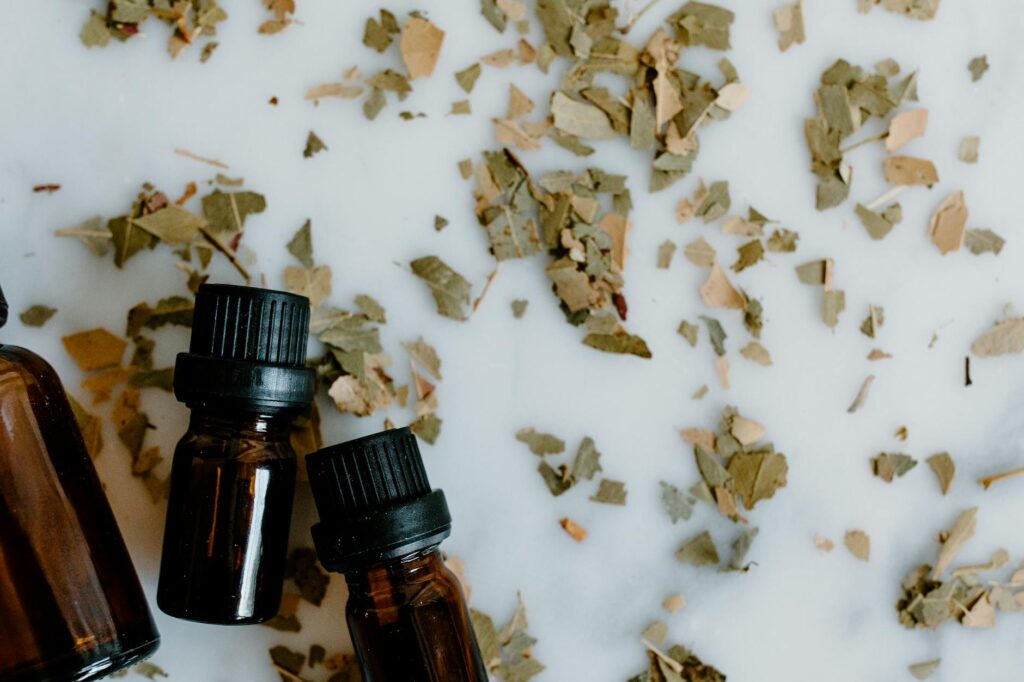
- Containers: Store essential oils in dark glass bottles to protect them from light. Amber or cobalt blue bottles are ideal.
- Temperature: Avoid exposing oils to high temperatures. A cool, dry place is best for storage.
- Shelf Life: The shelf life of essential oils can vary depending on the type. Generally, citrus oils may last 1-2 years, while harder oils like sandalwood can last up to 5 years or more. Always check for any changes in scent or consistency before use.
Aromatherapy Applications
Creating effective aromatherapy blends for immune resilience involves understanding the properties of various essential oils and how to combine them. Here are a few popular blends:
1. Protective Blend
2. Calming Immunity Blend
3. Respiratory Support Blend
Safety Considerations
While essential oils are natural, they are also potent substances that must be used with care. Here are some important safety considerations:
Storage and Shelf Life
Proper storage of essential oils is crucial to preserving their therapeutic properties. Here are some tips:
Frequently Asked Questions
Can I use essential oils if I have allergies?
While many people with allergies can benefit from essential oils, it is essential to choose oils that are safe for your specific sensitivities. Always consult with a healthcare provider if you have concerns regarding allergies.
How often can I use aromatherapy blends for immune resilience?
The frequency of use can vary based on individual preferences and sensitivities. It is generally safe to use aromatherapy blends daily, but always monitor for any adverse reactions.
Are there any essential oils to avoid during pregnancy?
Yes, some essential oils may not be safe during pregnancy. Oils such as basil, rosemary, and sage should be avoided. Always consult with a healthcare professional before using essential oils during pregnancy.
Can children use essential oils?
Children can benefit from essential oils, but it is essential to use child-safe oils and to dilute them more than usual. Always consult a pediatrician for guidance on usage for children.
What is the best way to diffuse essential oils?
Using an ultrasonic diffuser is one of the best methods to disperse essential oils into the air. Simply add water and a few drops of your chosen blend, and enjoy the aroma throughout your space.
—
In conclusion, aromatherapy blends for immune resilience offer a natural way to support the body’s defenses. By understanding the properties of various essential oils and their applications, individuals can create their own blends that may enhance overall wellness. Always prioritize safety and quality, and enjoy the holistic benefits that these aromatic treasures can provide.