
Complete Guide to Aromatherapy Blends for Immune Support Part 7
Introduction
The practice of aromatherapy utilizes the therapeutic properties of essential oils to enhance physical and emotional well-being. Among its various applications, immune support is a notable area of interest, especially in times of seasonal change and heightened susceptibility to illnesses. This guide delves into the intricacies of aromatherapy blends crafted specifically for immune support, exploring their components, benefits, applications, and safety considerations.
What Is Aromatherapy Blends for Immune Support?
Aromatherapy blends for immune support are specific combinations of essential oils formulated to bolster the body’s natural defenses. These blends aim to promote overall wellness by enhancing immune function, reducing stress, and providing a calming atmosphere. Essential oils are extracted from various parts of plants, including leaves, flowers, bark, and roots, capturing their aromatic and therapeutic properties.
Common essential oils used in immune support blends include tea tree oil, eucalyptus, lemon, and lavender, among others. Each oil carries unique properties that contribute to the overall effectiveness of the blend.
Key Benefits and Properties
Immune-Boosting Action
Certain essential oils possess compounds that are known for their immune-boosting properties. For example, oils like eucalyptus and tea tree have antimicrobial and antiviral characteristics, potentially aiding in the body’s defense mechanisms.
Stress Reduction
Chronic stress can weaken the immune system. Essential oils such as lavender and bergamot are renowned for their calming effects, which may help alleviate stress and anxiety, indirectly supporting immune health.
Respiratory Support
Many blends for immune support include oils known for their respiratory benefits. Eucalyptus and peppermint may help clear the airways and promote easier breathing, making them valuable additions to immune-boosting blends.
Antioxidant Properties
Some essential oils are rich in antioxidants, which can help combat oxidative stress in the body. Oils like lemon and rosemary contain compounds that may protect cells from damage, further supporting immune health.
Common Uses
Aromatherapy blends for immune support can be utilized in various ways, each offering distinct benefits:
1. Diffusion: Adding essential oils to a diffuser can create an aromatic environment, promoting a sense of well-being and enhancing respiratory function.
2. Topical Application: Blending essential oils with a carrier oil for topical use can provide localized benefits. This method is often used for massage or applying to pulse points.
3. Inhalation: Direct inhalation of essential oils from the bottle or a cotton ball can provide immediate relief and benefits, particularly useful for respiratory support.
4. Bathing: Adding essential oils to bathwater can create a soothing experience, allowing for relaxation and absorption through the skin.
5. Household Cleaning: Some essential oils, like tea tree and lemon, can be incorporated into cleaning products, providing antimicrobial properties while refreshing the home environment.
Aromatherapy Applications
Creating Your Own Immune Support Blend
When crafting your own aromatherapy blend for immune support, consider the following essential oils:
- Tea Tree Oil: Known for its antimicrobial properties.
- Eucalyptus Oil: Often used for respiratory support and clearing congestion.
- Lemon Oil: Offers uplifting and purifying properties.
- Lavender Oil: Renowned for its calming effects and stress reduction.
- 5 drops of tea tree oil
- 5 drops of eucalyptus oil
- 3 drops of lemon oil
- 3 drops of lavender oil
- 2 tablespoons of a carrier oil (such as coconut or sweet almond oil)
- Citrus Oils (e.g., lemon, orange): 1-2 years
- Herb Oils (e.g., lavender, rosemary): 3-4 years
- Spice Oils (e.g., clove, cinnamon): 2-3 years
- Woody Oils (e.g., cedarwood, sandalwood): 4-5 years
Example Blend:
Instructions: Mix the oils in a dark glass bottle and store in a cool, dark place. Use for topical application or add a few drops to your diffuser.
Pre-Made Blends
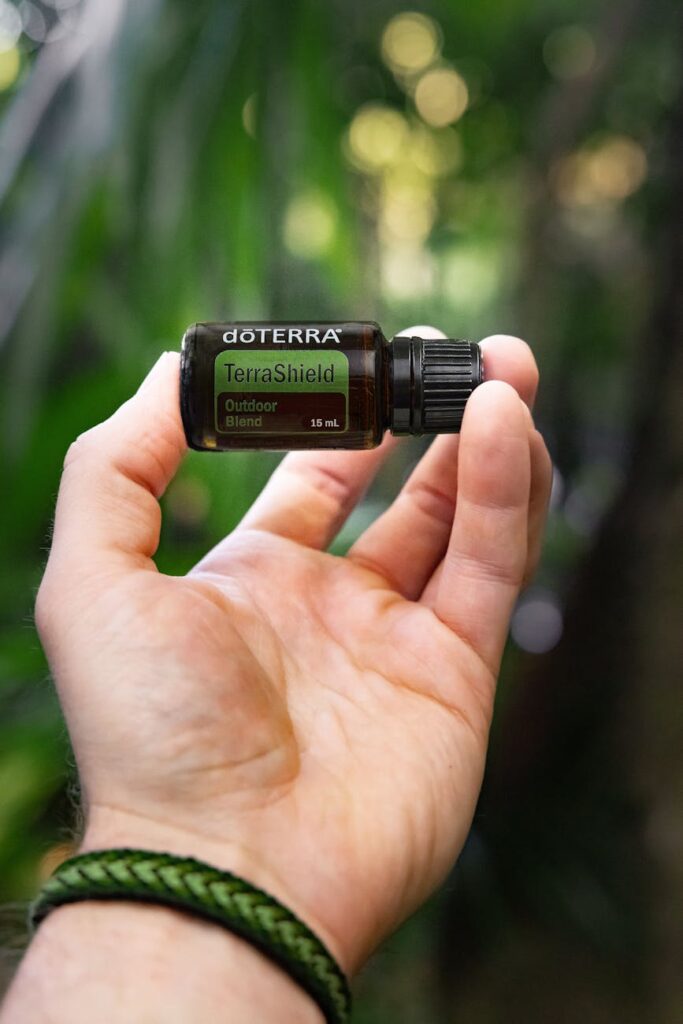
Many commercially available blends also cater to immune support. When selecting pre-made options, look for blends that include a combination of the oils mentioned above, along with reputable brands known for quality and purity.
Safety Considerations
While aromatherapy is generally safe, it is essential to follow specific guidelines to ensure safe usage:
1. Dilution: Always dilute essential oils with a carrier oil before applying them to the skin to prevent irritation.
2. Patch Test: Conduct a patch test by applying a small amount of the diluted blend to a discreet area of skin to check for any allergic reactions.
3. Consultation: If you are pregnant, nursing, or have underlying health conditions, consult a healthcare professional before using essential oils.
4. Storage: Store essential oils in dark glass bottles to protect them from light, and keep them in a cool, dry place to maintain their efficacy.
5. Quality: Choose high-quality essential oils from reputable sources to avoid additives and synthetic ingredients.
Storage and Shelf Life
Proper storage of essential oils is crucial to maintain their potency and efficacy. Essential oils should be kept in dark glass bottles to prevent degradation from light. They should also be stored in a cool, dry place, away from direct sunlight and heat sources.
The shelf life of essential oils can vary:
Always check the specific storage recommendations for each essential oil, as some may have unique requirements.
Frequently Asked Questions
Can aromatherapy blends cure illnesses?
Aromatherapy blends are not intended to cure illnesses. Instead, they can support well-being and may complement other health practices.
How often can I use aromatherapy blends for immune support?
The frequency of use depends on the method of application and individual preference. Diffusing can be done daily, while topical applications may be used several times a week.
Are there any essential oils to avoid for immune support?
Certain essential oils may not be suitable for everyone, particularly during pregnancy or for those with specific health conditions. It is advisable to research and consult a professional if uncertain.
Can children use aromatherapy blends for immune support?
Essential oils can be used with children but should be heavily diluted and chosen carefully. Always consult resources specific to pediatric aromatherapy for guidance.
What should I do if I experience an allergic reaction?
If you experience any irritation or an allergic reaction, discontinue use immediately and wash the affected area with soap and water. If the reaction persists, consult a healthcare professional.
Conclusion
The exploration of aromatherapy blends for immune support reveals a rich tapestry of benefits and applications. By understanding the properties of various essential oils and how to use them safely, individuals can harness the power of aromatherapy to support their overall well-being. Remember that while aromatherapy can be a valuable tool, it is most effective when integrated into a holistic approach to health and wellness.