
Complete Guide to Aromatherapy Blends for Immune System Support Enhancement
Introduction
In recent years, the interest in natural health and wellness practices has surged, with many individuals seeking alternative methods to enhance their well-being. One of the most popular avenues explored is aromatherapy—an ancient practice that utilizes essential oils derived from plants to promote physical and emotional health. Among the various applications of aromatherapy, blends designed to support the immune system have gained particular attention. This guide delves into the intricacies of aromatherapy blends specifically formulated for immune system support.
What Is Aromatherapy Blends for Immune System Support Enhancement?
Aromatherapy blends for immune system support are specific combinations of essential oils selected for their potential properties that may help bolster the body’s natural defenses. These blends can be used in various forms, including inhalation, topical applications, or diffusion into the air. The essential oils commonly associated with immune support include tea tree, eucalyptus, lavender, and lemon, among others. Each of these oils contains unique compounds that may contribute to overall wellness.
Key Benefits and Properties
The following key benefits and properties of essential oils commonly used in immune support blends highlight their potential contributions to health:
1. Antimicrobial Properties: Many essential oils possess natural antimicrobial properties, which may help combat bacteria, viruses, and fungi. For instance, tea tree oil is renowned for its effectiveness against a variety of pathogens.
2. Anti-inflammatory Effects: Essential oils such as eucalyptus and peppermint can provide relief from inflammation, which is vital for maintaining a healthy immune system.
3. Stress Reduction: Stress can negatively impact immune function. Oils like lavender and chamomile are known for their calming effects, which can help alleviate stress and promote relaxation.
4. Respiratory Support: Oils with decongestant properties, such as eucalyptus and pine, may support respiratory function, which is crucial during cold and flu seasons.
5. Antioxidant Properties: Some essential oils contain compounds that may help neutralize free radicals, thereby supporting overall health. Lemon oil, for example, is rich in antioxidants.
Common Uses
Aromatherapy blends for immune system support can be employed in various settings and situations. Common uses include:
- Diffusion: Adding a few drops of the chosen blend to a diffuser can help disperse the essential oils into the air, creating an aromatic environment that supports wellness.
- Topical Application: When diluted with a carrier oil, essential oils can be applied to the skin, particularly on pulse points or areas of tension. This method may offer localized benefits.
- Inhalation: Directly inhaling essential oils from the bottle or a cotton ball can provide immediate effects, especially useful during cold and flu season.
- Bath Soaks: Adding essential oils to a warm bath can create a soothing experience that promotes relaxation and immune support.
- Ingredients:
- 5 drops of tea tree oil
- 5 drops of eucalyptus oil
- 3 drops of lavender oil
- 2 drops of lemon oil
- 2 tablespoons of carrier oil (e.g., sweet almond oil or jojoba oil)
- Instructions:
- Fill the diffuser with the recommended amount of water.
- Add a few drops of your chosen immune-supporting blend.
- Turn on the diffuser and enjoy the aromatic benefits.
- Cotton Balls: Place a few drops of essential oil on a cotton ball and inhale deeply.
- Steam Inhalation: Add a few drops of essential oil to a bowl of hot water, cover your head with a towel, and inhale the steam.
- Patch Test: Before applying any blend to the skin, perform a patch test to check for allergic reactions. Apply a small amount of the diluted oil to a discreet area and observe for 24 hours.
- Pregnancy and Nursing: Pregnant or nursing individuals should consult a healthcare professional before using essential oils.
- Children: Many essential oils are not suitable for young children. Use caution and consult age-appropriate guidelines.
- Medical Conditions: Individuals with specific health concerns should seek professional advice before using essential oils.
- Quality of Essential Oils: Use high-quality, pure essential oils from reputable sources to ensure safety and effectiveness.
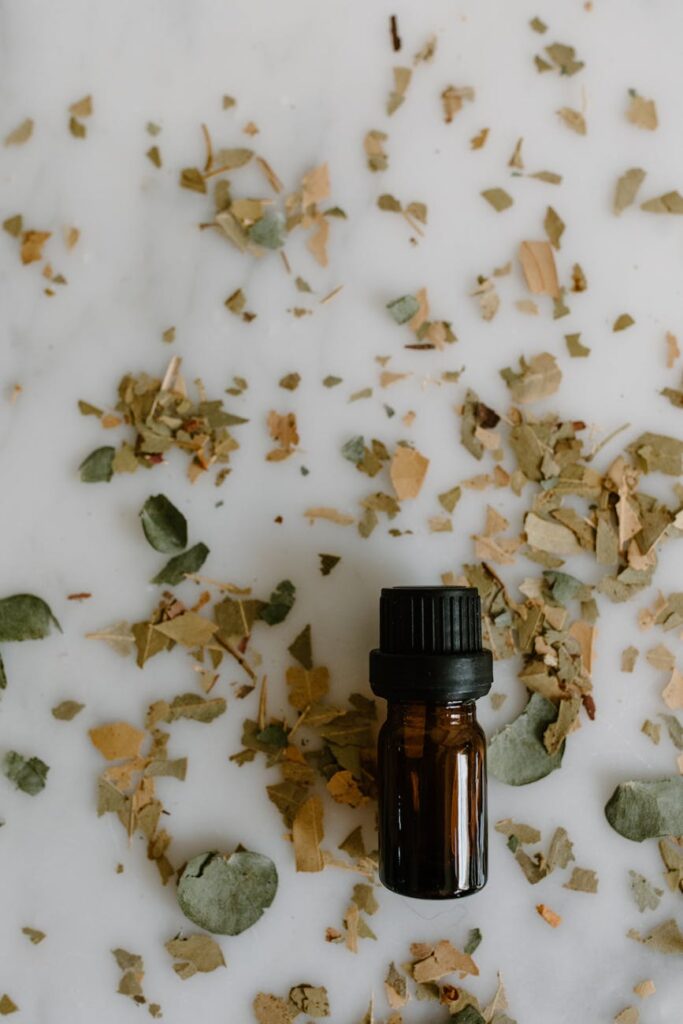
- Containers: Store essential oils in dark glass bottles to protect them from light. Avoid plastic containers, as essential oils can degrade plastic.
- Cool, Dark Place: Keep essential oils in a cool, dry area away from direct sunlight and heat sources.
- Shelf Life: The shelf life of essential oils varies. Generally, citrus oils tend to have a shorter lifespan (around 1-2 years), while oils such as cedarwood and patchouli can last longer (up to 5 years or more). Check for changes in scent or consistency to determine freshness.
Aromatherapy Applications
To effectively utilize aromatherapy blends for immune system support, consider the following applications:
1. Blending Essential Oils
Creating a personalized blend can be rewarding. Here’s a simple recipe to get started:
1. In a small glass bottle, combine the essential oils.
2. Add the carrier oil and shake gently to mix.
3. Store in a cool, dark place.
2. Using a Diffuser
To diffuse essential oils, simply follow these steps:
3. Inhalation Techniques
For quick inhalation, consider these methods:
4. Topical Application
When applying essential oils topically, always dilute with a carrier oil. A common dilution ratio is 2-3% (about 12-18 drops of essential oil per ounce of carrier oil) for adults. For children and sensitive skin, use a lower concentration.
Safety Considerations
While essential oils can be beneficial, it is important to adhere to safety guidelines:
Storage and Shelf Life
Proper storage of essential oils is crucial for maintaining their efficacy:
Frequently Asked Questions
1. Can aromatherapy blends replace medical treatments?
Aromatherapy blends should not be considered a substitute for medical treatment. They are complementary practices that may support overall well-being.
2. How often can I use aromatherapy blends for immune support?
The frequency of use can depend on individual tolerance and preference. It is generally safe to use essential oils daily, but always monitor for any adverse reactions.
3. Are there any essential oils that should be avoided for immune support?
Some essential oils may cause skin irritation or other reactions. Research and understand the properties of each oil before use, particularly if you have sensitivities.
4. Can I use multiple blends simultaneously?
While blending oils can create complex aromas, be cautious with simultaneous use to avoid overwhelming the senses. Start with one blend and assess how it affects you before introducing more.
5. What is the best way to choose essential oils for a blend?
Select essential oils based on their properties, personal preferences, and desired effects. Researching each oil’s benefits can help inform your choices.
Conclusion
Aromatherapy blends for immune system support present an intriguing avenue for enhancing well-being naturally. By understanding the benefits, applications, and safety considerations, individuals can thoughtfully incorporate these essential oils into their wellness routines. While aromatherapy is not a cure-all, it can serve as a valuable tool in promoting overall health and vitality. Always approach essential oils with respect, knowledge, and caution, and consider them as part of a holistic approach to well-being.