
Complete Guide to Aromatherapy Blends for Immune System Support Part 7
Introduction
Aromatherapy, the practice of using essential oils extracted from plants to promote physical and psychological well-being, has been gaining recognition as a complementary approach to health. Among its many applications, one significant area of interest is immune system support. This guide aims to provide an in-depth look at aromatherapy blends specifically designed to bolster immune function, exploring their benefits, common uses, and practical applications.
What Are Aromatherapy Blends for Immune System Support?
Aromatherapy blends for immune system support are formulated combinations of essential oils known for their potential to enhance the body’s natural defenses. These blends often incorporate oils that possess antimicrobial, anti-inflammatory, and antioxidant properties, which collectively contribute to a more robust immune response. By inhaling or applying these oils, individuals may create an environment conducive to wellness and resilience against infections.
Key Benefits and Properties
Aromatherapy blends designed for immune support can offer a variety of benefits, including:
Antimicrobial Activity
Many essential oils, such as tea tree and eucalyptus, are recognized for their antimicrobial properties. These oils can help combat various pathogens, including bacteria, fungi, and viruses, thereby supporting the immune system in warding off illnesses.
Anti-Inflammatory Effects
Chronic inflammation can compromise the immune system. Essential oils like lavender and frankincense possess anti-inflammatory properties that may help reduce inflammation, thereby assisting in maintaining overall health.
Stress Relief
Stress can adversely affect immune function. Oils such as bergamot and chamomile are known for their calming effects, which can help reduce stress levels and promote a balanced emotional state, supporting the immune system indirectly.
Respiratory Support
Certain essential oils, like peppermint and rosemary, can help open airways and support respiratory function, making it easier for the body to expel toxins and pathogens.
Common Uses
Aromatherapy blends for immune system support can be utilized in various ways, including:
Diffusion
Using a diffuser to disperse essential oils into the air is one of the most common methods. This method allows for easy inhalation of the therapeutic compounds, promoting respiratory health and overall well-being.
Topical Application
When diluted with a carrier oil, essential oils can be applied to specific areas of the body, such as the chest, back, or wrists. This method can target localized issues, such as congestion or stress.
Bath Soaks
Adding essential oils to a warm bath can provide a soothing experience that promotes relaxation and enhances respiratory function.
Inhalation
Direct inhalation from the bottle or a cotton ball can deliver immediate benefits. This method is particularly useful for quick relief from stress or respiratory discomfort.
Aromatherapy Applications
When creating or using aromatherapy blends for immune support, consider the following applications:
Suggested Blends
1. Citrus Defender Blend
- Ingredients: Lemon, sweet orange, and tea tree.
- Properties: Antimicrobial and uplifting.
- Use: Diffuse during cold and flu season to purify the air and boost mood.
- Ingredients: Eucalyptus, peppermint, and lavender.
- Properties: Opens airways and promotes relaxation.
- Use: Apply diluted to the chest during respiratory discomfort.
- Ingredients: Frankincense, chamomile, and bergamot.
- Properties: Reduces stress and inflammation.
- Use: Inhale directly or diffuse in the evening for relaxation.
- Dilution: Always dilute essential oils with a carrier oil (like coconut or jojoba oil) before topical application. A general rule is a 2% dilution (approximately 12 drops of essential oil per ounce of carrier oil) for adults.
- Patch Testing: Conduct a patch test on a small area of skin to check for any adverse reactions before applying the blend more broadly.
- Inhalation Techniques: For inhalation, place a few drops of the essential oil blend on a cotton ball or tissue and breathe deeply, allowing the compounds to enter the respiratory system.
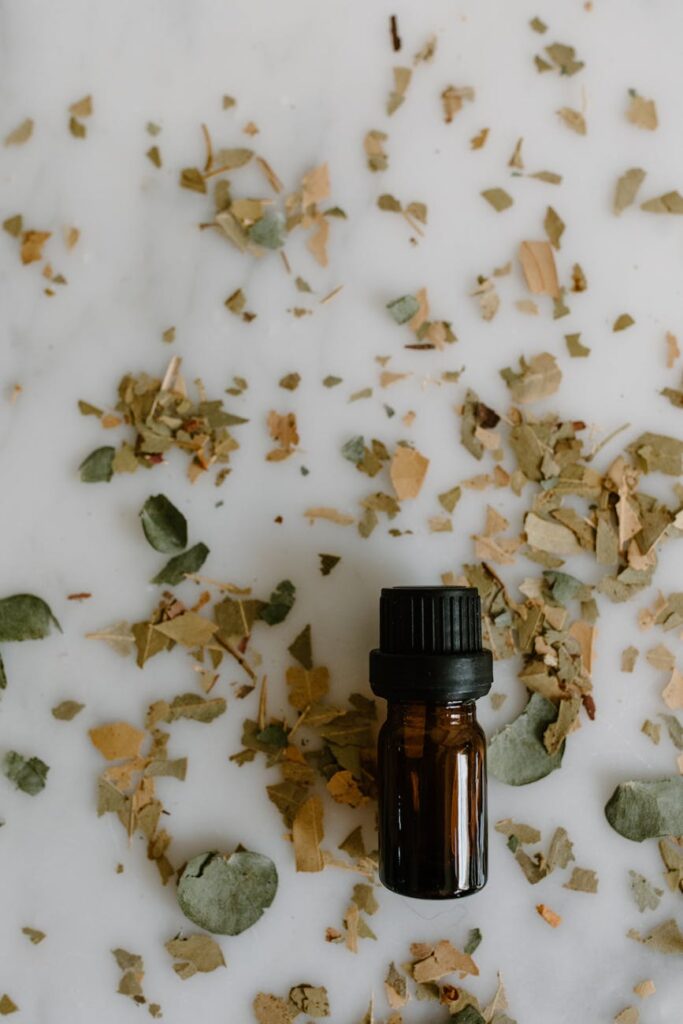
- Dark Glass Bottles: Store essential oils in dark glass containers to protect them from light degradation.
- Cool, Dry Place: Keep oils in a cool, dry location, away from direct sunlight and heat sources.
2. Respiratory Relief Blend
3. Calm and Protect Blend
Application Techniques
Safety Considerations
While essential oils can be beneficial, it is crucial to use them safely. Here are some important considerations:
Essential Oil Quality
Always choose high-quality, pure essential oils from reputable sources. Synthetic fragrances can lack the therapeutic properties of natural oils and may even be harmful.
Contraindications
Some essential oils may not be suitable for individuals with specific health conditions or for pregnant or nursing women. It’s essential to research each oil’s contraindications and consult a qualified professional if unsure.
Allergies and Sensitivities
Individuals should be aware of possible allergies or sensitivities to specific essential oils. A thorough understanding of one’s health background is essential for safe use.
Children and Pets
Certain essential oils can be harmful to children and pets. Always consult appropriate guidelines or professionals before using essential oils around these sensitive populations.
Storage and Shelf Life
Proper storage of essential oils is vital to maintain their potency and safety. Here are some tips:
Storage Conditions
Shelf Life
Most essential oils have a shelf life ranging from 1 to 5 years, depending on the type of oil. Citrus oils tend to have a shorter shelf life, while oils like patchouli and cedarwood can last longer.
Frequently Asked Questions
Can I use aromatherapy blends daily?
Yes, many individuals use aromatherapy blends daily. However, it’s essential to monitor your body’s response and adjust usage accordingly.
Are there specific essential oils that are better for immune support?
While many essential oils can support immune health, those with known antimicrobial and anti-inflammatory properties, like tea tree, eucalyptus, and lavender, are often favored.
Can I blend my own oils?
Absolutely! Creating your own blends can be a rewarding experience. Just be sure to follow safe dilution guidelines and conduct thorough research on the properties of each oil used.
How do I choose the right blend for my needs?
Consider your specific symptoms and preferences. Research the properties of different essential oils and their effects to find a blend that resonates with your personal health goals.
Conclusion
Aromatherapy blends for immune system support offer a holistic approach to enhancing well-being and resilience. By understanding the properties, applications, and associated safety considerations of essential oils, individuals can explore the potential benefits of these natural remedies in their daily lives. Whether diffused, inhaled, or applied topically, these blends can serve as a valuable addition to a comprehensive wellness routine. Always remember to consult reputable sources and professionals to ensure safe and effective use.