
Complete Guide to Aromatherapy Blends for Meditation and Mindfulness Part 5
Introduction
Aromatherapy, the practice of using essential oils for therapeutic purposes, has gained significant popularity as a natural method for enhancing meditation and mindfulness practices. This guide aims to deepen your understanding of aromatherapy blends specifically designed for these practices. By exploring the key benefits, common uses, and safety considerations, you can effectively incorporate essential oils into your meditation routine to enrich your experience.
What Are Aromatherapy Blends for Meditation and Mindfulness?
Aromatherapy blends for meditation and mindfulness consist of carefully selected essential oils combined to promote relaxation, focus, and emotional balance. These blends can be used in various forms, such as diffusers, sprays, or topical applications, to create an environment conducive to introspection and tranquility. The oils chosen for these blends often possess properties that encourage calmness, mental clarity, or emotional grounding, making them ideal companions for meditation and mindfulness sessions.
Key Benefits and Properties
Aromatherapy blends for meditation and mindfulness offer several benefits, including:
1. Enhanced Focus and Clarity: Certain essential oils, such as rosemary and peppermint, are known to improve concentration, making it easier to maintain focus during meditation.
2. Stress Reduction: Oils like lavender and chamomile have calming properties that can help alleviate stress and anxiety, facilitating a more serene meditation experience.
3. Emotional Balance: Essential oils such as bergamot and frankincense are recognized for their ability to promote emotional stability, supporting a balanced state of mind.
4. Deepened Relaxation: Oils like cedarwood and sandalwood can induce a deep sense of relaxation, helping practitioners to immerse themselves more fully in their meditative practices.
5. Spiritual Connection: Some oils are believed to enhance spiritual awareness and connections, such as myrrh and patchouli, making them valuable for those seeking a deeper spiritual experience during meditation.
Common Uses
Aromatherapy blends can be utilized in various ways during meditation and mindfulness practices:
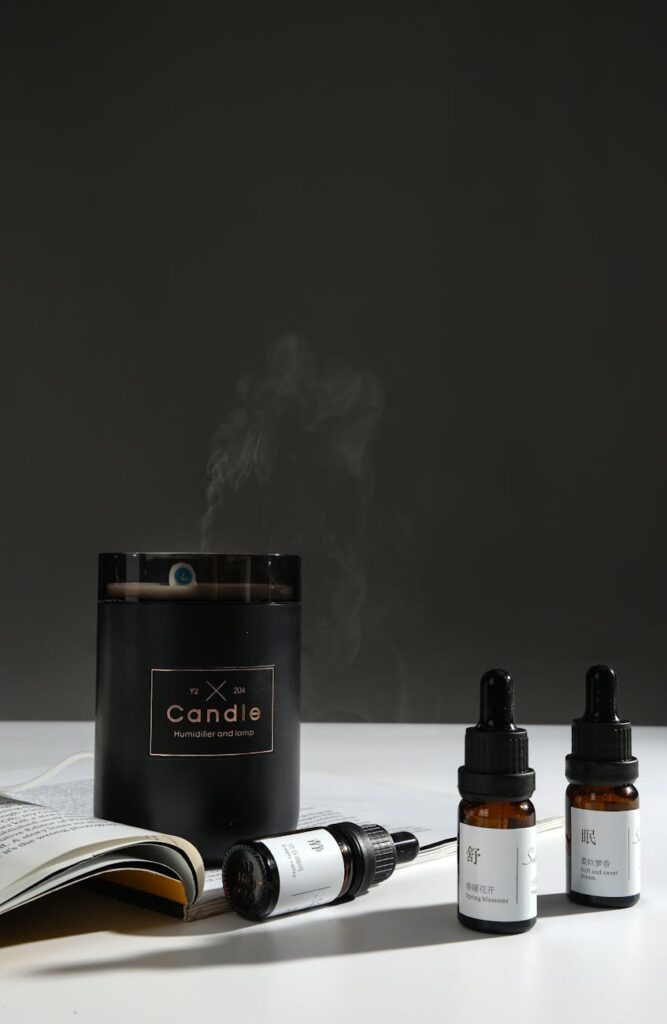
- Diffusion: Using a diffuser to disperse essential oils into the air creates a calming atmosphere that encourages relaxation and focus.
- Topical Application: Applying diluted essential oils to pulse points or specific areas of the body, such as the wrists or neck, can provide a personal aroma that enhances the meditative experience.
- Inhalation: Direct inhalation of essential oils from a bottle or a cotton ball can provide immediate calming effects, useful for grounding oneself before beginning a meditation session.
- Bathing: Incorporating essential oils into a warm bath can create a serene setting for meditation, promoting relaxation and mindfulness.
- Meditation Space: Creating a dedicated meditation space with aromatherapy blends can serve as a reminder to practice mindfulness consistently.
- Calming Blend: Lavender, chamomile, and sandalwood
- Invigorating Blend: Peppermint, rosemary, and citrus oils (like lemon or orange)
- Grounding Blend: Frankincense, cedarwood, and patchouli
- Focus Blend: Rosemary, lemon, and bergamot
- Containers: Use dark glass bottles to protect oils from light exposure, which can degrade their quality.
- Temperature: Store oils in a cool, dry location, away from direct sunlight and heat sources.
- Shelf Life: The shelf life of essential oils varies, generally ranging from 1-5 years. Citrus oils tend to have shorter shelf lives, usually around 1-2 years. Regularly check for changes in scent or consistency, as these can indicate spoilage.
Aromatherapy Applications
Integrating aromatherapy into meditation can be done through various techniques and settings:
1. Diffusing
Using an essential oil diffuser is one of the most common methods of diffusion. Simply fill the diffuser with water and add a few drops of your chosen essential oil blend. Some popular combinations include:
2. Topical Use
Essential oils must be diluted with a carrier oil (such as jojoba, sweet almond, or fractionated coconut oil) before applying to the skin. A common dilution ratio is 2-3 drops of essential oil per teaspoon of carrier oil. Try these blends:
3. Inhalation Techniques
Inhalation can be as simple as placing a few drops of essential oil on a cotton ball and inhaling deeply. Alternatively, consider using an inhaler stick designed for aromatherapy.
4. Bathing
To create a calming bath experience, combine essential oils with a carrier oil or unscented bath salts before adding them to your bathwater. This prevents skin irritation and ensures even distribution in the water.
5. Creating a Sacred Space
Enhance your meditation area with a blend of essential oils that resonate with your intentions. Consider using a combination of oils that evoke feelings of peace and serenity, such as lavender, sweet orange, and ylang-ylang.
Safety Considerations
While aromatherapy is generally safe when used properly, there are important safety considerations to keep in mind:
1. Dilution: Always dilute essential oils before applying them to the skin to prevent irritation or allergic reactions.
2. Skin Sensitivity: Conduct a patch test before applying new oils to ensure you do not have an adverse reaction.
3. Quality of Oils: Use high-quality, pure essential oils from reputable sources. Synthetic or low-quality oils may contain harmful additives.
4. Pregnancy and Medical Conditions: If you are pregnant or have specific medical conditions, consult a qualified practitioner familiar with aromatherapy before use.
5. Storage: Essential oils should be stored in dark glass bottles in a cool, dry place away from sunlight to maintain their potency.
Storage and Shelf Life
Proper storage of essential oils is crucial to preserving their efficacy. Follow these guidelines:
Frequently Asked Questions
1. Can I create my custom aromatherapy blend for meditation?
Yes, creating your custom blend can be a rewarding experience. Start with a base oil and add complementary oils based on your desired effects. Always remember to dilute properly.
2. How do I choose essential oils for meditation?
Select oils that resonate with your intentions for meditation. Consider oils known for their calming, grounding, or clarifying properties.
3. How often can I use aromatherapy blends for meditation?
You can use aromatherapy blends as often as you like. However, it’s essential to listen to your body and adjust usage based on your individual response.
4. Are there any oils I should avoid during meditation?
Avoid oils that are overly stimulating or may cause agitation, such as eucalyptus or peppermint, if your goal is relaxation.
5. Can I use essential oils with children?
While many essential oils are safe for children, they should be used with caution and always diluted. Consult a qualified practitioner for specific recommendations.
Conclusion
Incorporating aromatherapy blends into your meditation and mindfulness practices can significantly enhance your experience. By understanding the properties and applications of various essential oils, you can create an environment that nurtures tranquility, focus, and emotional balance. Always prioritize safety and quality when selecting your oils, ensuring that your journey into aromatherapy is both enjoyable and effective. Embrace the power of scent to deepen your meditation practice and cultivate mindfulness in everyday life.