
Complete Guide to Aromatherapy Blends for Meditation and Mindfulness Part 7
Introduction
Aromatherapy, the practice of using essential oils to enhance physical and emotional well-being, has gained significant popularity as a tool for promoting meditation and mindfulness. As individuals increasingly seek ways to enhance their mental clarity and emotional stability, understanding the role of aromatherapy blends becomes essential. This article serves as a comprehensive guide to aromatherapy blends specifically tailored for meditation and mindfulness, exploring their benefits, applications, safety considerations, and more.
What Are Aromatherapy Blends for Meditation and Mindfulness?
Aromatherapy blends for meditation and mindfulness are combinations of essential oils chosen for their unique properties that may help cultivate a serene environment conducive to deep reflection and inner peace. These blends often include oils known for their calming, grounding, or uplifting effects, such as lavender, frankincense, and sandalwood. The synergistic interaction of these oils can enhance the overall experience of meditation, allowing practitioners to delve deeper into their practice.
Key Benefits and Properties
The benefits of using aromatherapy blends during meditation and mindfulness practices are multifaceted. Some key properties include:
1. Stress Reduction
Many essential oils possess properties that can help reduce stress and anxiety. Oils like bergamot and chamomile are known for their calming effects, promoting relaxation and tranquility.
2. Enhanced Focus
Certain essential oils, such as rosemary and peppermint, can help improve concentration and mental clarity, making it easier for practitioners to focus on their meditation.
3. Emotional Balance
Aromatherapy blends can support emotional health by fostering a sense of balance and calm. Oils like ylang-ylang and geranium are often used to alleviate feelings of tension and promote emotional equilibrium.
4. Spiritual Connection
Some essential oils are believed to enhance spiritual connection and awareness. Frankincense, for example, has been used for centuries in spiritual practices to promote a deeper connection to oneself and the universe.
5. Improved Sleep Quality
For individuals incorporating meditation into their nightly routine, certain blends may support improved sleep quality. Lavender and cedarwood are commonly used for their calming properties that promote restful sleep.
Common Uses
Aromatherapy blends can be employed in various ways to enhance meditation and mindfulness practices:
1. Diffusion
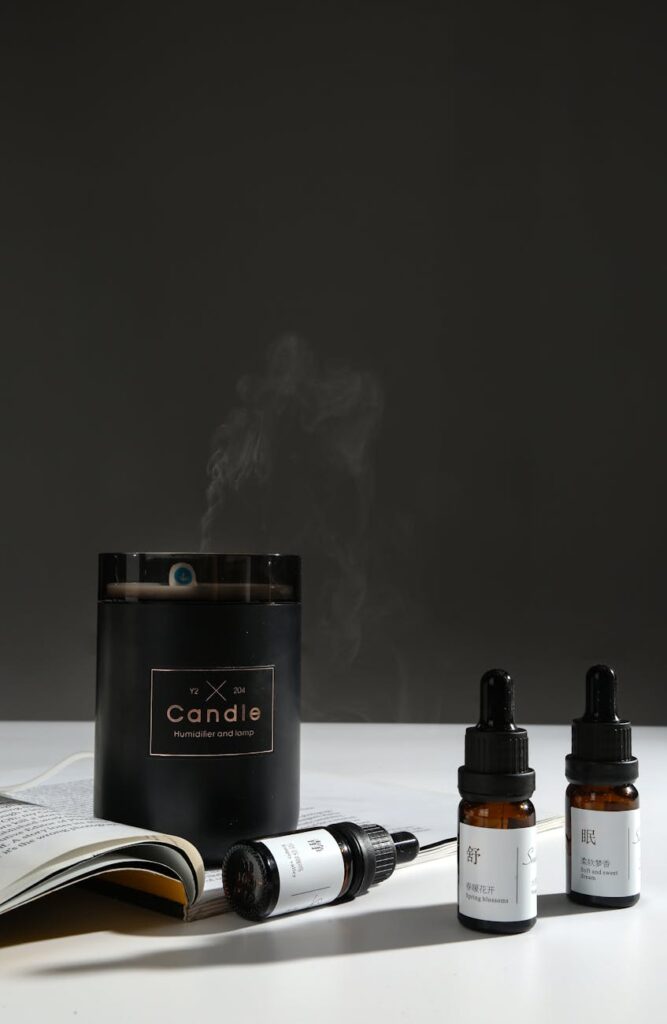
Using an essential oil diffuser is one of the most popular methods for dispersing aromatic compounds into the air. A blend can be added to a diffuser to create a calming atmosphere.
2. Topical Application
Some practitioners choose to apply diluted essential oils to pulse points (like wrists or temples) to enjoy the benefits during meditation. It’s vital to dilute essential oils with a carrier oil to prevent skin irritation.
3. Inhalation
Inhaling essential oils directly from the bottle or by using an inhaler is another effective method. This approach allows for immediate access to the oil’s aromatic properties.
4. Bathing
Adding a few drops of a calming blend to a warm bath can enhance relaxation and create a serene environment for mindfulness practices.
5. Ritual Practices
Many individuals incorporate aromatherapy into their spiritual or ritual practices, using specific blends to set intentions or enhance the experience.
Aromatherapy Applications
When creating aromatherapy blends for meditation and mindfulness, consider the following applications:
1. Grounding Blend
- Ingredients: Vetiver, cedarwood, frankincense
- Application: Diffuse during meditation to cultivate a sense of grounding and stability.
- Ingredients: Lavender, chamomile, bergamot
- Application: Use in a warm bath or as a topical application to promote relaxation.
- Ingredients: Sweet orange, ylang-ylang, rosemary
- Application: Diffuse or inhale to create an uplifting environment that enhances focus and positivity.
- Ingredients: Frankincense, sandalwood, myrrh
- Application: Use during spiritual rituals or meditation sessions to deepen the connection to oneself and the universe.
2. Calming Blend
3. Uplifting Blend
4. Spiritual Blend
Safety Considerations
While aromatherapy can be a beneficial practice, it is essential to consider safety guidelines:
1. Skin Sensitivity
Always dilute essential oils with a carrier oil before topical application. Conduct a patch test to check for any allergic reactions.
2. Pregnancy and Nursing
Certain essential oils may not be safe for pregnant or nursing individuals. Consult with a qualified professional before use.
3. Medical Conditions
Individuals with specific medical conditions or those taking medications should exercise caution and consult with a healthcare provider before using essential oils.
4. Quality of Essential Oils
Ensure that the essential oils used are of high quality and sourced from reputable suppliers. Look for oils that are 100% pure and free from synthetic additives.
5. Keep Out of Reach of Children
Essential oils should be stored out of reach of children and pets to prevent accidental ingestion or misuse.
Storage and Shelf Life
Proper storage of essential oils is crucial for maintaining their potency and effectiveness. Consider the following guidelines:
1. Keep Away from Light and Heat
Essential oils should be stored in a cool, dark place, away from direct sunlight and heat sources. Amber or cobalt glass bottles are ideal for preserving the oils’ integrity.
2. Shelf Life
The shelf life of essential oils varies; however, most can last from 1 to 5 years. Citrus oils typically have a shorter shelf life, while oils like patchouli and sandalwood may improve with age.
3. Labeling
Always label your blends with the date of creation and the ingredients used to ensure proper usage and rotation.
Frequently Asked Questions
1. Can I create my own aromatherapy blends for meditation?
Absolutely! Creating your blends allows you to customize the aromas according to your preferences and needs. Start with a few essential oils known for their calming or focusing properties and experiment with different ratios.
2. How many essential oils can I blend together?
Typically, 2 to 5 essential oils work well in a blend. Balance is key; too many oils can create a chaotic aroma, while a few well-chosen oils can complement each other beautifully.
3. How do I know which essential oils are best for me?
Choosing essential oils is often a personal journey. Consider what emotions or states you wish to cultivate during your meditation practice. Experimentation and personal preference play significant roles in finding what resonates with you.
4. Can I use aromatherapy blends during yoga?
Yes, aromatherapy can enhance your yoga practice by promoting relaxation and focus. Diffusing a calming blend before or during your practice can create a serene environment.
5. Is it safe to use essential oils around pets?
Some essential oils may be harmful to pets. Always research specific oils and consult a veterinarian if unsure. It’s generally recommended to avoid diffusing oils in the same space as pets.
Conclusion
Aromatherapy blends for meditation and mindfulness serve as a powerful tool for those seeking deeper self-awareness and tranquility. By understanding the key benefits, applications, and safety considerations, individuals can effectively incorporate these blends into their daily practices. Whether seeking to reduce stress, enhance focus, or connect spiritually, the world of aromatherapy offers a diverse range of options to enrich the journey toward mindfulness.