
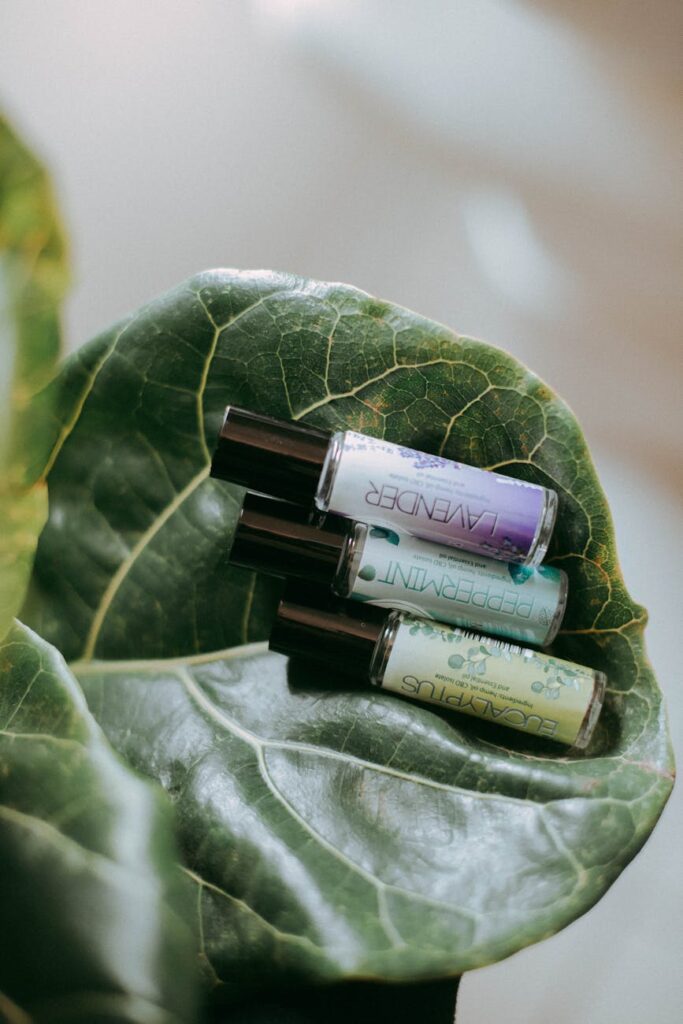
Complete Guide to Aromatherapy Blends for Mood Enhancement Part 1
Introduction
Aromatherapy has gained recognition as a holistic approach to enhancing emotional well-being and improving overall mood. The practice involves the use of essential oils derived from plants for therapeutic purposes. When blended thoughtfully, these essential oils create synergistic effects that can uplift the spirit, reduce anxiety, and promote relaxation. This guide will explore the fundamentals of aromatherapy blends specifically aimed at mood enhancement, discussing their benefits, applications, and safety considerations.
What Are Aromatherapy Blends for Mood Enhancement?
Aromatherapy blends for mood enhancement consist of carefully selected essential oils combined to create a harmonious and uplifting experience. Each essential oil possesses unique properties that can influence emotional states. For instance, citrus oils are often associated with feelings of happiness and energy, while floral oils may evoke calmness and relaxation. By blending these oils thoughtfully, practitioners can create a customized approach to support emotional health.
Key Benefits and Properties
1. Emotional Balance
Aromatherapy blends can help restore emotional equilibrium. Essential oils such as bergamot, chamomile, and ylang-ylang are known for their calming properties, helping to alleviate feelings of stress and anxiety.
2. Uplifting Spirits
Citrus oils like orange and lemon are celebrated for their energizing and uplifting effects. These oils can invigorate the mind and promote a positive outlook.
3. Enhanced Focus
Certain essential oils, including rosemary and peppermint, are believed to enhance mental clarity and focus. Incorporating these oils into blends can be particularly beneficial during times of study or work.
4. Relaxation and Sleep Support
Lavender and cedarwood are often used in aromatherapy blends to promote relaxation and improve sleep quality. These oils can help create a serene environment conducive to restful sleep.
Common Uses
Aromatherapy blends for mood enhancement can be utilized in various settings and activities, including:
1. Home Environment
Using diffusers or oil burners, individuals can disperse mood-enhancing aromas throughout their living spaces, creating an inviting atmosphere.
2. Massage Therapy
When diluted with a carrier oil, essential oil blends can be applied during massage therapy to enhance relaxation and emotional release.
3. Bathing Rituals
Adding essential oil blends to bathwater can transform a simple bathing experience into a soothing ritual that promotes emotional well-being.
4. Personal Inhalers
Portable inhalers filled with mood-enhancing blends allow for on-the-go support, helping individuals cope with stressors throughout the day.
Aromatherapy Applications
1. Diffusion
Diffusing essential oils is one of the most popular methods for utilizing aromatherapy blends. A few drops of the blend can be added to a diffuser, dispersing the aromas into the air. This method is particularly effective in creating a calming or uplifting atmosphere in homes or workplaces.
2. Topical Application
When applied to the skin, essential oils can directly influence mood. However, it is essential to dilute the oils with a carrier oil, such as jojoba or sweet almond oil, to prevent skin irritation. Popular areas for application include pulse points, such as wrists and temples.
3. Inhalation
Inhalation is a simple yet effective method of experiencing the benefits of essential oils. Individuals can place a few drops of a blend on a cotton ball or tissue and inhale deeply. This method is often used for immediate stress relief or to elevate mood.
4. Bathing
Adding essential oil blends to bathwater can create a tranquil experience. Consider mixing a few drops of essential oil with a neutral bath oil or Epsom salts before adding it to the bath. This method not only promotes relaxation but also rejuvenates the skin.
Safety Considerations
While aromatherapy is generally safe, it is crucial to consider the following safety guidelines:
1. Dilution
Essential oils are highly concentrated and should always be diluted before topical application. A typical dilution ratio is 2-5% essential oil to carrier oil.
2. Sensitivity Tests
Before using a new essential oil blend, conduct a patch test on a small area of skin to check for any adverse reactions.
3. Pregnancy and Medical Conditions
Pregnant individuals or those with specific medical conditions should consult a qualified professional before using essential oils. Some oils may not be suitable for certain conditions.
4. Quality of Oils
Choose high-quality essential oils from reputable sources. Look for oils that are pure, organic, and free from synthetic additives.
Storage and Shelf Life
Proper storage is crucial for maintaining the potency and effectiveness of essential oils. Consider the following guidelines:
1. Dark Glass Containers
Store essential oils in dark glass bottles to protect them from light, which can degrade their quality.
2. Cool Environment
Keep oils in a cool, dry place, away from direct sunlight and heat sources. A refrigerator can be an excellent option for longer-term storage.
3. Shelf Life
The shelf life of essential oils varies depending on the type. Generally, citrus oils have a shorter shelf life (1-2 years), while woody oils like cedarwood can last for several years. Always check for changes in aroma or consistency, which may indicate that the oil has gone rancid.
Frequently Asked Questions
1. Can I make my own aromatherapy blends?
Yes, creating your own blends is a rewarding experience. Start with a few essential oils that resonate with you and experiment with different ratios to find the perfect combination.
2. How many oils can I blend together?
While there is no strict rule, a blend of 3-5 essential oils is generally recommended to create a harmonious aroma without overwhelming the senses.
3. Is there a specific time of day to use aromatherapy blends?
The use of aromatherapy blends can be tailored to individual needs. For instance, uplifting blends may be more suitable for daytime use, while calming blends can be beneficial in the evening or before bedtime.
4. Are there any essential oils to avoid?
Certain essential oils may be irritating to the skin or contraindicated for specific populations. Always research the oils you plan to use and consult with a professional when in doubt.
—
In this first part of the guide, we have explored the essence of aromatherapy blends for mood enhancement, including their benefits, applications, and safety considerations. In the subsequent part, we will delve deeper into specific blends, recipes, and the art of creating your own mood-enhancing essential oil combinations. Stay tuned for more insights into this aromatic journey.