
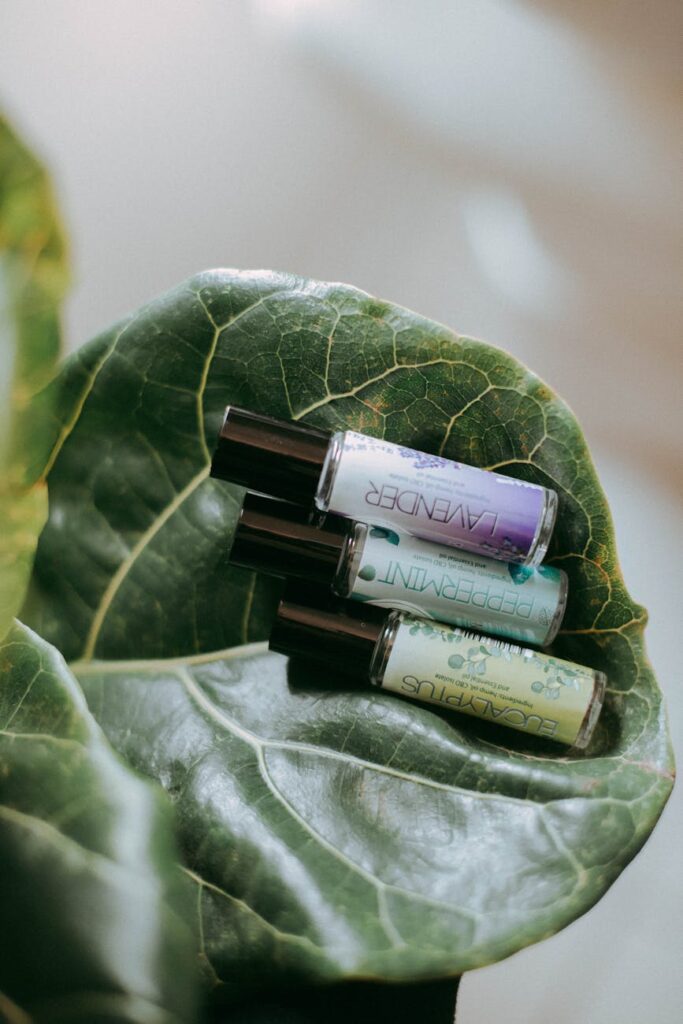
Complete Guide to Aromatherapy Blends for Mood Enhancement Part 7
Introduction
Aromatherapy, the practice of using essential oils extracted from plants for therapeutic purposes, has gained popularity as a natural method for enhancing mood and emotional well-being. In this seventh installment of our series, we delve deeper into the world of aromatherapy blends specifically designed for mood enhancement. Understanding the various combinations of essential oils, their properties, and practical applications can empower individuals to create a more balanced emotional environment in their daily lives.
What Is Aromatherapy Blends for Mood Enhancement?
Aromatherapy blends for mood enhancement are carefully crafted combinations of essential oils that aim to influence emotional states. Each essential oil possesses unique properties—some may promote relaxation, while others stimulate energy or uplift spirits. The art of blending involves not only the selection of oils but also the ratio in which they are combined, creating a synergistic effect beneficial for mood enhancement.
The Science of Scent
The human sense of smell is intricately linked to the brain’s limbic system, which plays a pivotal role in regulating emotions and memory. When aromatic molecules from essential oils are inhaled, they interact with receptors in the nose, sending signals to the brain that can elicit specific emotional responses. This biochemical interaction forms the basis of how aromatherapy can influence mood.
Key Benefits and Properties
Emotional Balance
One of the primary benefits of aromatherapy blends for mood enhancement is their ability to foster emotional balance. Many essential oils are known for their calming properties, helping to reduce anxiety and stress levels. Conversely, uplifting oils can invigorate the mind and spirit, countering feelings of lethargy or sadness.
Boosting Energy and Focus
Certain essential oils can enhance mental clarity and focus. Blends containing oils like peppermint or lemon can stimulate cognitive function and sharpen concentration, making them ideal for use during work or study.
Promoting Relaxation
Blends that incorporate oils such as lavender, chamomile, or bergamot are often used to promote relaxation and tranquility. These oils can help create a serene atmosphere conducive to unwinding after a long day.
Supporting Emotional Release
Some blends are specifically designed to aid emotional release. Oils like rose or frankincense can facilitate emotional processing, allowing individuals to confront feelings of sadness, grief, or anxiety in a supportive manner.
Common Uses
Diffusion
One of the most popular methods of using essential oils is through diffusion. Aromatherapy diffusers disperse essential oil molecules into the air, allowing the scent to fill a room. This method is particularly effective for creating a calming or uplifting atmosphere in spaces such as living rooms, offices, or bedrooms.
Topical Application
Topical application involves diluting essential oils with a carrier oil and applying them directly to the skin. This method not only provides the aromatic benefits of the essential oils but also allows for absorption through the skin, enhancing the overall experience. Popular areas for application include pulse points, such as wrists and temples.
Inhalation
Inhalation can be achieved by adding a few drops of essential oil to a handkerchief or cotton ball and breathing in the aroma directly. This method is quick and portable, making it suitable for on-the-go mood enhancement.
Bathing
Adding a few drops of essential oil to a warm bath can create a luxurious and soothing experience. The combination of warm water and aromatherapy can significantly enhance relaxation and stress relief.
Aromatherapy Applications
Blending Techniques
Creating effective aromatherapy blends for mood enhancement involves understanding the balancing of top, middle, and base notes. Top notes are the first scents perceived; they are often fresh and uplifting. Middle notes provide body to the blend and are typically floral or herbal. Base notes offer depth and can ground the blend, lasting longer than the other notes.
Example Blend: Calm and Relax
- Top Note: Bergamot (5 drops)
- Middle Note: Lavender (10 drops)
- Base Note: Sandalwood (5 drops)
Customization
Individuals can customize their aromatherapy blends based on personal preferences or specific emotional needs. Essential oils can be combined in various ratios, and users are encouraged to experiment with different blends to find what resonates best with them.
Seasonal Considerations
Mood can be influenced by seasonal changes, and adjusting aromatherapy blends to reflect the seasons can enhance their effectiveness. For example, citrus oils may be uplifting in the spring, while warm, spicy oils can be comforting in the winter.
Safety Considerations
Skin Sensitivity
When applying essential oils topically, it is essential to conduct a patch test to check for skin sensitivity. Some individuals may experience allergic reactions or irritation when using certain oils.
Dilution
Essential oils should always be diluted with a carrier oil before topical application. Common carrier oils include coconut oil, jojoba oil, and sweet almond oil. A general guideline is to use a dilution rate of 1-5%, depending on the intended use and the individual’s sensitivity.
Pregnancy and Nursing
While many essential oils are safe for use, some should be avoided during pregnancy or nursing. It is advisable to consult with a qualified professional for guidance on which oils are safe to use during these periods.
Quality of Oils
Not all essential oils are created equal. It is crucial to source high-quality, pure essential oils from reputable suppliers. Look for oils that are labeled as 100% pure and free from synthetic additives or fillers.
Storage and Shelf Life
Proper Storage
To maintain the efficacy of essential oils, they should be stored in a cool, dark place, away from direct sunlight and heat. Amber or cobalt glass bottles are ideal for preserving the integrity of the oils.
Shelf Life
Essential oils have varying shelf lives, generally ranging from 1 to 5 years, depending on the oil type and storage conditions. Citrus oils tend to have shorter shelf lives, while oils like patchouli or sandalwood can last longer. It is essential to regularly check for changes in aroma or color, which may indicate that an oil has expired.
Frequently Asked Questions
Can I use essential oils if I have allergies?
While some individuals with allergies may find relief from certain essential oils, others may experience sensitivities. It is advisable to consult with a healthcare professional and conduct patch tests prior to widespread use.
Are there essential oils that can help with stress management?
Yes, oils such as lavender, chamomile, and frankincense are commonly cited for their stress-relieving properties. Creating a blend with these oils can provide a calming effect.
How can I incorporate aromatherapy into my daily routine?
Aromatherapy can be easily integrated into daily activities through diffusion during work or study, topical applications for relaxation after a long day, or even adding oils to your bath for a soothing experience.
What should I do if I experience an adverse reaction to an essential oil?
If you experience any adverse reactions, it is essential to discontinue use immediately. Rinse the affected area with carrier oil, and seek professional advice if necessary.
—
In conclusion, aromatherapy blends for mood enhancement offer a natural way to influence emotional well-being. By understanding the properties of various essential oils, their applications, and safety considerations, individuals can create personalized blends that cater to their unique emotional needs. As you explore the world of aromatherapy, remember to approach it with curiosity and respect, allowing the natural power of scent to enhance your mood and enrich your life.