
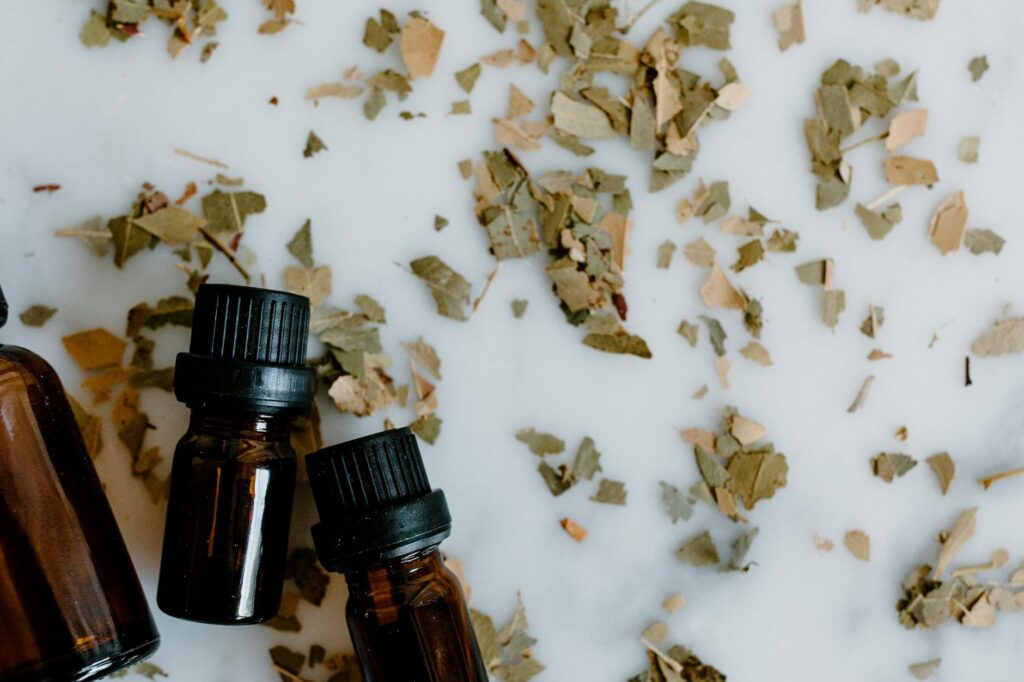
Complete Guide to Aromatherapy Blends for Mood Stabilization Part 4
Introduction
Aromatherapy has gained remarkable popularity as a holistic approach to enhancing emotional well-being and mental stability. Through the use of essential oils, individuals can create aromatic blends that target specific mood-related issues such as anxiety, depression, and emotional imbalance. In this fourth installment of our comprehensive guide, we delve into the intricacies of aromatherapy blends specifically designed for mood stabilization, exploring their benefits, applications, and safety considerations.
What Is Aromatherapy Blends for Mood Stabilization?
Aromatherapy blends for mood stabilization consist of carefully selected essential oils that are combined to promote emotional balance and mental clarity. These blends harness the power of aroma to influence the limbic system, the part of the brain that regulates emotions and memories. By inhaling or applying these blends, individuals may experience changes in their mood, helping to alleviate feelings of stress, anxiety, or sadness.
Essential oils used in these blends can be derived from various plant sources such as flowers, leaves, bark, and roots. Each oil possesses unique properties and effects, making it essential to choose the right combination for desired outcomes.
Key Benefits and Properties
The benefits of aromatherapy blends for mood stabilization are numerous and can vary based on the essential oils used. Here are some key properties:
1. Calming Effects: Oils like lavender and chamomile are known for their soothing properties, helping to reduce anxiety and promote relaxation.
2. Uplifting Qualities: Citrus oils, such as bergamot and orange, possess mood-enhancing qualities that can uplift spirits and combat feelings of sadness.
3. Grounding Properties: Woodsy oils like cedarwood and sandalwood can provide a grounding effect, helping individuals feel more stable and centered.
4. Stress Reduction: Essential oils such as frankincense and ylang-ylang can help lower stress levels and enhance emotional resilience.
5. Improved Sleep: Certain blends can promote restful sleep, which is crucial for emotional balance. Oils like vetiver and marjoram are often included for this purpose.
Common Uses
Aromatherapy blends for mood stabilization can be utilized in various contexts:
- Diffusion: Using an essential oil diffuser, individuals can disperse the aroma of a blend throughout a room, creating a calming atmosphere.
- Topical Application: When diluted properly, blends can be applied to pulse points, such as wrists, temples, or the back of the neck.
- Bathing Rituals: Adding essential oils to bathwater can create a soothing experience, allowing the user to immerse themselves in calming scents.
- Inhalation: Simply inhaling the scent directly from the bottle or using an inhaler can provide immediate relief from emotional distress.
- Massage: Incorporating aromatherapy blends into massage oils can enhance relaxation and emotional healing during therapeutic sessions.
- Ingredients: 3 drops of lavender, 2 drops of chamomile, 2 drops of bergamot.
- Application: Diffuse in the evening to create a calming environment.
- Ingredients: 4 drops of sweet orange, 3 drops of lemon, 2 drops of grapefruit.
- Application: Apply to pulse points or diffuse in the morning to boost mood.
- Ingredients: 3 drops of cedarwood, 3 drops of sandalwood, 2 drops of vetiver.
- Application: Use during meditation or stressful situations to enhance feelings of stability.
- Ingredients: 3 drops of lavender, 2 drops of marjoram, 1 drop of frankincense.
- Application: Add to a warm bath before bedtime or diffuse in the sleeping area.
- Ingredients: 3 drops of ylang-ylang, 2 drops of clary sage, 2 drops of lemon balm.
- Application: Inhale directly or use in a massage oil to relieve tension.
- Dilution: Always dilute essential oils with a carrier oil (such as jojoba or coconut oil) before applying them to the skin. A general rule is to use a 2-3% dilution for topical applications.
- Patch Test: Conduct a patch test on a small area of skin to check for any allergic reactions before using a new blend.
- Pregnancy and Nursing: Certain essential oils may not be safe for pregnant or nursing individuals. Consult a knowledgeable practitioner before use.
- Children and Pets: Some essential oils can be harmful to children and pets. Ensure that the oils you choose are safe for all household members.
- Medical Conditions: If you have any underlying medical conditions or are on medication, consult a healthcare professional before using essential oils.
- Containers: Store essential oils in dark glass bottles to protect them from light, which can degrade their quality.
- Temperature: Keep oils in a cool, dry place, away from direct sunlight and heat sources.
- Shelf Life: Most essential oils have a shelf life of 1-3 years; however, citrus oils tend to have a shorter shelf life due to their high volatility. Regularly check your oils for any changes in smell or consistency.
Aromatherapy Applications
Creating effective aromatherapy blends for mood stabilization requires an understanding of how to combine essential oils. Below are some popular blends that can be easily prepared:
1. Relaxation Blend
2. Uplifting Blend
3. Grounding Blend
4. Sleep Aid Blend
5. Stress Relief Blend
Safety Considerations
While essential oils can offer significant benefits, it is essential to prioritize safety when using aromatherapy blends. Here are some guidelines to consider:
Storage and Shelf Life
Proper storage of essential oils is crucial for maintaining their potency and effectiveness. Here are some tips for storage:
Frequently Asked Questions
Q: How do I choose the right essential oils for my mood?
A: Consider your emotional state and desired outcome. Research the properties of different essential oils, and select those known for their effects on mood stabilization.
Q: Can I make my own blends?
A: Yes! Experimenting with different essential oils can yield personalized blends tailored to your specific needs.
Q: How often should I use aromatherapy blends?
A: The frequency of use can vary based on personal preference. Some individuals may benefit from daily use, while others may use blends as needed.
Q: Are there any contraindications with essential oils?
A: Yes, certain essential oils may interact with medications or medical conditions. Always consult a healthcare provider if you are unsure about using specific oils.
Q: Can aromatherapy replace therapy or medication?
A: Aromatherapy can be a supportive tool for emotional well-being, but it should not replace professional medical advice, therapy, or prescribed medication.
Conclusion
Aromatherapy blends for mood stabilization offer a natural and holistic approach to enhancing emotional well-being. By understanding the properties of various essential oils and their applications, individuals can create personalized blends that support emotional balance and resilience. With proper safety measures and storage practices, aromatherapy can serve as a valuable addition to one’s self-care toolkit. As always, it is essential to approach aromatherapy with informed consideration and respect for the powerful nature of essential oils.