
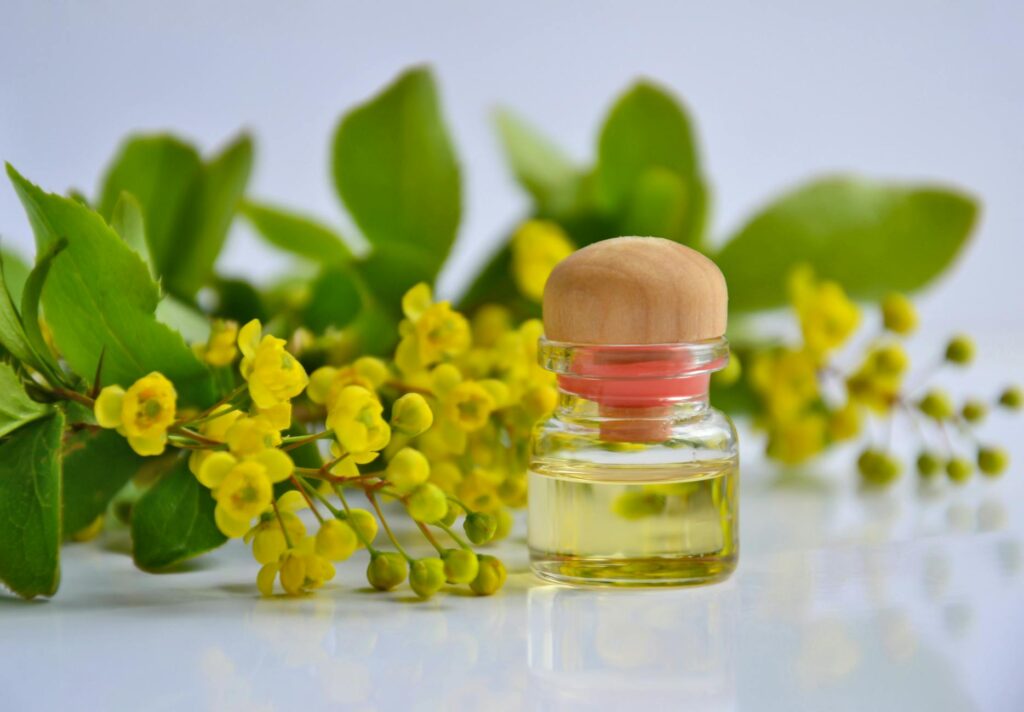
Complete Guide to Aromatherapy Blends for Mood Stabilization Part 4
Introduction
Aromatherapy, the practice of using essential oils to enhance physical and psychological well-being, has gained prominence in holistic health approaches. Among its various applications, mood stabilization stands out as a vital area of focus. This article serves as a comprehensive guide to aromatherapy blends designed specifically for mood stabilization. Through understanding the properties, benefits, and various applications of these blends, readers can cultivate a more serene emotional environment.
What Is Aromatherapy Blends for Mood Stabilization?
Aromatherapy blends for mood stabilization consist of carefully selected essential oils that work synergistically to promote emotional balance. These blends are formulated to address feelings like anxiety, stress, sadness, and irritability, fostering a sense of calm and well-being. Essential oils, extracted from various parts of plants—including leaves, flowers, roots, and bark—contain unique chemical compounds that influence emotional states through olfactory pathways and the limbic system, the area of the brain responsible for emotions.
Key Benefits and Properties
Aromatherapy blends for mood stabilization offer several notable benefits:
1. Emotional Balance: Certain essential oils can help to alleviate feelings of anxiety or depression, stabilizing mood swings and promoting emotional resilience.
2. Stress Reduction: Oils known for their calming properties can reduce cortisol levels, thereby mitigating the physiological effects of stress.
3. Relaxation: Many blends induce a state of relaxation, which can facilitate better sleep and improve overall mood.
4. Enhanced Focus: Some blends help sharpen mental clarity and focus, counteracting feelings of overwhelm that can accompany emotional distress.
5. Support for Emotional Healing: Using these blends can serve as a complementary practice in emotional healing processes, aiding in the recovery from trauma or emotional upheaval.
Properties of Common Essential Oils
- Lavender (Lavandula angustifolia): Renowned for its calming effects, lavender is often used to reduce anxiety and promote relaxation.
- Bergamot (Citrus bergamia): This citrus oil is known for its uplifting properties, helping to alleviate stress and enhance mood.
- Ylang Ylang (Cananga odorata): It is often used for its calming and sedative effects, promoting emotional balance and reducing feelings of anger or frustration.
- Frankincense (Boswellia carterii): Often used in spiritual practices, frankincense can promote a sense of grounding and peace.
- Geranium (Pelargonium graveolens): This essential oil is known to balance emotions and promote feelings of joy and stability.
- Diffusion: Using an essential oil diffuser to disperse the blend into the air can create a calming atmosphere in any space.
- Topical Application: Diluting essential oils in a carrier oil and applying them to pulse points (like wrists and temples) can provide immediate mood-enhancing effects.
- Bathing: Adding essential oils to bathwater can create a soothing experience, helping to unwind and relax after a long day.
- Inhalation: Simply inhaling the scent from a bottle or a cotton ball can provide quick relief from stress or anxiety.
- Massage: Incorporating aromatherapy blends into massage oil can enhance relaxation during a massage session while promoting emotional relief.
- Dilution: Always dilute essential oils before applying them to the skin to prevent irritation.
- Allergies: Conduct a patch test to check for any allergic reactions before using a new essential oil or blend.
- Pregnancy and Nursing: Some essential oils are not recommended for use during pregnancy or breastfeeding. Consult with a knowledgeable professional for guidance.
- Children and Pets: Certain essential oils may not be safe for children or pets. Research specific oils to ensure safety.
- Medical Conditions: Individuals with specific medical conditions should consult a healthcare professional before using essential oils, especially if they are on medication.
- Keep Away from Light: Store essential oils in dark glass bottles to protect them from light, which can degrade their quality.
- Cool and Dry Environment: Essential oils should be stored in a cool, dry place, away from heat sources and humidity.
- Shelf Life: The shelf life of essential oils varies. Citrus oils generally have a shorter shelf life (1-2 years) compared to oils like sandalwood or patchouli, which can last for several years if stored correctly.
Common Uses
The applications of aromatherapy blends for mood stabilization are diverse and can be integrated into daily life in various ways. Here are some common uses:
Aromatherapy Applications
Incorporating aromatherapy blends into daily routines can be straightforward. Below are several methods of application:
1. Diffusion Techniques
Using an ultrasonic diffuser is one of the most effective ways to disperse essential oils. Fill the diffuser with water, add a few drops of your chosen blend, and turn it on. This method is excellent for creating a calming atmosphere in a home or workspace.
2. Topical Application
When applying essential oils to the skin, it is crucial to dilute them in a carrier oil such as jojoba, coconut, or almond oil. A common dilution ratio is 2-3 drops of essential oil per teaspoon of carrier oil. This method allows for the absorption of the oils into the bloodstream while minimizing skin irritation.
3. Aromatherapy Bath
To make an aromatherapy bath, add 5-10 drops of your preferred essential oil blend to a warm bath. For enhanced effects, mix the oils with a neutral carrier such as milk or Epsom salt to help disperse them in the water.
4. Inhalation Techniques
For on-the-go relief, inhaling from a personal inhaler or a cotton ball can be beneficial. Simply add a few drops of essential oil to the cotton ball or inhaler and breathe deeply.
5. Aromatherapy Massage
Combine essential oils with a carrier oil for a relaxing massage. This not only soothes muscle tension but also allows the mood-stabilizing properties of the oils to penetrate the skin.
Safety Considerations
While aromatherapy is generally considered safe, certain precautions should be taken:
Storage and Shelf Life
Proper storage of essential oils is crucial to maintain their efficacy. Here are some best practices:
Frequently Asked Questions
1. Can I create my own mood stabilization blend?
Yes, creating a personalized blend can be a rewarding experience. Start with a base oil and add a few drops of various essential oils that resonate with you emotionally.
2. How long does the aroma of essential oils last in a diffuser?
The duration of aroma depends on the oil used, the amount added, and the type of diffuser. Typically, a diffuser can run for several hours with a single fill.
3. Are there any essential oils I should avoid?
Certain oils, such as wintergreen and eucalyptus, can be unsafe for children or individuals with certain health conditions. It’s essential to research each oil before use.
4. Can I use aromatherapy blends in my home or workspace?
Absolutely! Aromatherapy blends can create a calming and uplifting environment in both home and work settings.
5. How can I tell if an essential oil is of high quality?
Look for oils that are labeled as 100% pure and sourced from reputable companies. Certifications and third-party testing can also indicate quality.
Conclusion
Aromatherapy blends for mood stabilization offer a natural and holistic approach to emotional well-being. By understanding the benefits, applications, and safety considerations of these blends, individuals can harness the power of essential oils to foster a more balanced emotional state. Whether through diffusion, topical application, or other methods, integrating these practices into daily life can support enhanced mental clarity and emotional stability, contributing to overall well-being.