
Complete Guide to Aromatherapy Blends for Mood Stabilization Part 7
Introduction
Aromatherapy, the practice of using essential oils to promote physical and emotional well-being, has garnered interest from various cultures for centuries. Essential oils, extracted from plants, can influence mood and emotions, making them a valuable tool for mood stabilization. This guide explores the various aspects of creating and utilizing aromatherapy blends specifically designed for stabilizing mood.
What Are Aromatherapy Blends for Mood Stabilization?
Aromatherapy blends for mood stabilization involve a combination of essential oils selected for their specific emotional and psychological benefits. These blends aim to enhance mood, alleviate feelings of anxiety or depression, and foster a sense of balance and tranquility. Each essential oil possesses unique properties that can contribute to emotional well-being. When blended thoughtfully, they can synergistically enhance their overall effects.
Common Essential Oils for Mood Stabilization
1. Lavender: Renowned for its calming properties, lavender can reduce stress and promote relaxation.
2. Bergamot: This citrus oil is uplifting and can help alleviate feelings of anxiety and sadness.
3. Frankincense: Often used for meditation, frankincense can help ground emotions and foster a sense of peace.
4. Ylang-Ylang: Known for its sweet floral scent, ylang-ylang can help uplift mood and reduce feelings of anger.
5. Sandalwood: With its warm, woody aroma, sandalwood can promote mental clarity and emotional balance.
Key Benefits and Properties
Aromatherapy blends for mood stabilization possess several key benefits:
- Emotional Balance: These blends can help regulate emotions, providing a sense of stability during turbulent times.
- Stress Reduction: Many essential oils have calming effects that can help reduce stress levels and promote relaxation.
- Enhanced Mood: Blends can elevate mood and create a sense of well-being, making them useful during periods of emotional fluctuation.
- Mental Clarity: Certain oils can enhance focus and clarity, aiding in decision-making and cognitive function.
- Home Environment: Adding essential oils to diffusers or creating oil blends for personal inhalation can create a calming atmosphere.
- Workplace: Utilizing essential oils in a diffuser or as personal inhalers can enhance focus and reduce stress during busy workdays.
- Meditation and Mindfulness: Incorporating these blends into meditation practices can deepen relaxation and enhance emotional balance.
- Travel: Personal inhalers or roller blends can be beneficial during travel, helping to manage stress and anxiety in unfamiliar environments.
- Dilution: Essential oils are highly concentrated and should always be diluted with a carrier oil before topical application. A common dilution ratio is 1-2% for adults, which equates to about 1-2 drops of essential oil per teaspoon of carrier oil.
- Skin Sensitivity: Conduct a patch test on a small skin area to identify any potential allergic reactions before using a new essential oil.
- Pregnancy and Nursing: Certain essential oils are contraindicated during pregnancy and breastfeeding. It is advisable to consult a knowledgeable aromatherapist or healthcare professional.
- Children and Pets: Be cautious when using essential oils around children and pets, as some oils can be toxic to them.
- Cool, Dark Place: Store essential oils in a cool, dark place away from direct sunlight and heat sources. Light and heat can degrade the oils, reducing their therapeutic properties.
- Tightly Sealed Containers: Ensure that bottles are tightly sealed to prevent evaporation and contamination.
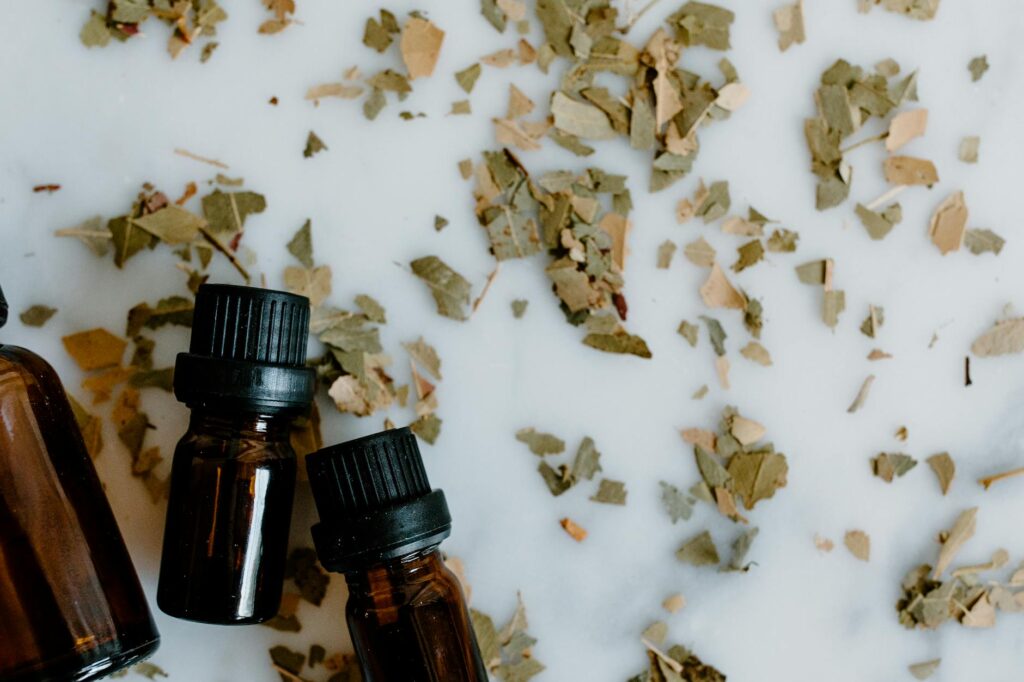
- Glass Bottles: Use dark glass bottles for storage, as they help protect the oils from light exposure. Avoid plastic containers, as essential oils can degrade plastics.
Common Uses
Aromatherapy blends for mood stabilization can be employed in various settings and situations:
Aromatherapy Applications
Aromatherapy offers multiple application methods for mood stabilization:
1. Diffusion
Diffusing essential oils is one of the most popular methods. A few drops of an essential oil blend can be added to a diffuser, dispersing the aroma throughout a room. This method is effective for creating a calming atmosphere in homes, offices, or meditation spaces.
2. Topical Application
When diluted with a carrier oil, essential oils can be applied directly to the skin. Common application areas include pulse points, such as the wrists, temples, and behind the ears. This method provides direct access to the olfactory system, allowing for immediate emotional benefits.
3. Inhalation
Inhaling essential oils directly from the bottle or from a cotton ball can provide instant relief. This method is useful for quick mood stabilization during stressful situations.
4. Bathing
Adding essential oils to a warm bath can create an immersive sensory experience. The warmth of the water helps to release the oils into the air while also providing a calming effect on the body.
5. Roller Bottles
Creating a roller blend for easy application on the go can be a convenient way to incorporate aromatherapy into daily life. Simply combine essential oils with a carrier oil in a roller bottle for easy access.
Safety Considerations
While aromatherapy can be beneficial, safety should always be a priority:
Storage and Shelf Life
Proper storage of essential oils is essential to maintain their potency and effectiveness:
Shelf Life
The shelf life of essential oils varies depending on the type of oil and storage conditions. Generally, most essential oils can last from 1 to 3 years, while some oils, such as citrus oils, may have a shorter shelf life. Regularly check for changes in aroma, color, or viscosity to determine if an oil is still usable.
Frequently Asked Questions
1. Can I create my own aromatherapy blends for mood stabilization?
Yes, creating your own blends is encouraged! Start with a base oil and combine essential oils known for their mood-stabilizing properties. Experimenting with different ratios can help you find a blend that resonates with you.
2. How often should I use aromatherapy blends?
The frequency of use can vary based on individual preference and need. Some may benefit from using blends daily, while others may find them helpful during specific situations, such as times of stress or anxiety.
3. Are there any essential oils to avoid for mood stabilization?
While many essential oils can be beneficial, it’s essential to research each oil before use. Some oils may not be suitable for specific individuals or circumstances (e.g., certain oils may be contraindicated for pregnant women).
4. Can aromatherapy replace traditional therapies for mood disorders?
Aromatherapy can complement traditional therapies, but it should not be seen as a replacement. It is essential to consult a healthcare professional for comprehensive treatment options for mood disorders.
5. How do I know which essential oils are best for my needs?
Consider your emotional state and what you wish to achieve. Research the properties of various essential oils and start with a few that resonate with you. You can also seek guidance from a certified aromatherapist.
Conclusion
Aromatherapy blends for mood stabilization offer a holistic approach to managing emotional fluctuations. With an understanding of the essential oils involved, their applications, and safety considerations, individuals can create personalized blends that enhance their well-being. As with any wellness practice, the key lies in exploration and finding what best suits individual needs. Engaging with aromatherapy can lead to a deeper understanding of oneself and foster emotional balance in daily life.