
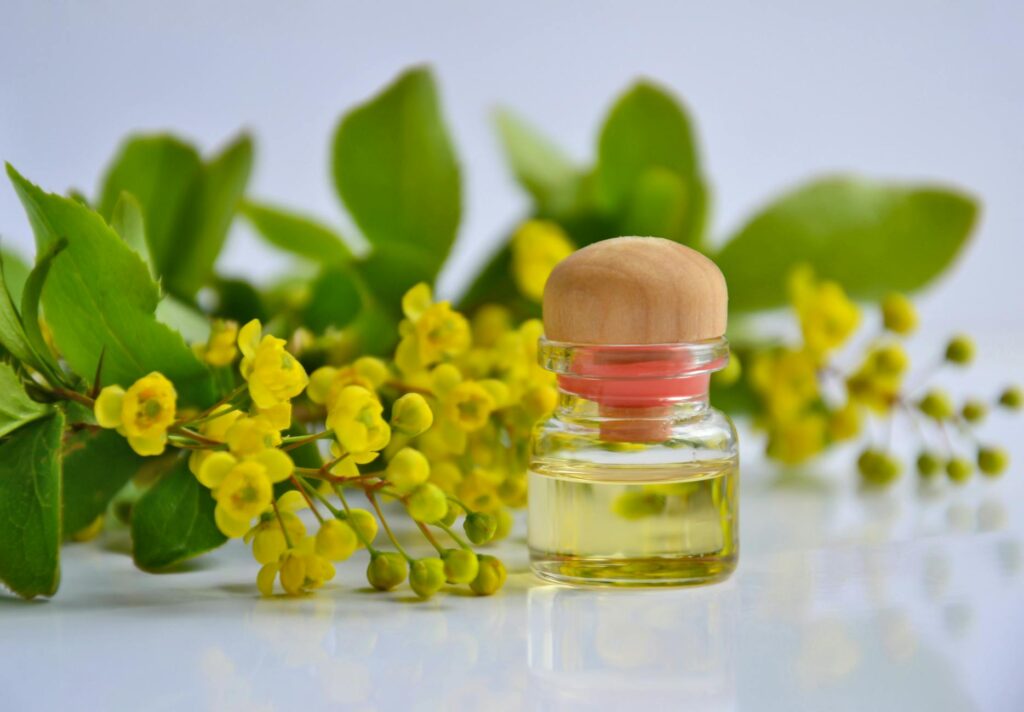
Complete Guide to Aromatherapy Blends for Pain Relief Part 2
Introduction
Aromatherapy, the practice of using essential oils extracted from plants for therapeutic purposes, has gained significant popularity as a natural approach to wellness. In Part 2 of our guide, we delve deeper into the specific aromatherapy blends that can aid in pain relief. This article explores the essential oils most commonly used for alleviating discomfort, their properties, and practical applications, while also emphasizing safety considerations and proper storage methods.
What Is Aromatherapy Blends for Pain Relief?
Aromatherapy blends for pain relief involve the combination of various essential oils tailored to address specific types of discomfort, such as muscle soreness, headaches, or joint pain. These blends leverage the therapeutic properties of individual essential oils to enhance their effectiveness when used together. The synergistic effects of these blends can provide a holistic approach to managing pain, encouraging relaxation, and promoting overall well-being.
Key Benefits and Properties
The key benefits of using aromatherapy blends for pain relief are multifaceted:
1. Analgesic Properties: Many essential oils have natural analgesic (pain-relieving) properties. Oils like peppermint and eucalyptus can help numb pain and reduce inflammation.
2. Anti-inflammatory Effects: Essential oils such as ginger and chamomile can help reduce inflammation, which is often a contributing factor to pain.
3. Muscle Relaxation: Oils like lavender and marjoram have muscle-relaxing properties, making them effective for tension relief.
4. Mood Enhancement: Pain can often be exacerbated by stress and anxiety. Aromatherapy can promote relaxation and a sense of well-being, which may indirectly alleviate pain.
5. Improved Circulation: Certain oils, such as rosemary, are known to stimulate circulation, which can aid in recovery from pain.
Common Uses
Aromatherapy blends for pain relief can be applied in various contexts, including:
- Muscle and Joint Pain: Blends can be massaged into sore areas to relieve discomfort from physical exertion or chronic conditions.
- Headaches and Migraines: Inhalation or topical application of specific blends can help reduce the frequency and intensity of headaches.
- Menstrual Discomfort: Aromatherapy can provide relief from cramps and other menstrual symptoms when applied to the lower abdomen.
- Post-Surgical Recovery: Blends can support healing and pain management following surgical procedures.
- Dilution: Essential oils are highly concentrated and should always be diluted with a carrier oil before topical application to prevent skin irritation.
- Allergies and Sensitivities: Conduct a patch test by applying a diluted blend to a small area of skin to check for any adverse reactions.
- Pregnancy and Nursing: Certain oils may not be safe for use during pregnancy or while nursing. Consult with a qualified professional for guidance.
- Medical Conditions: Individuals with chronic health conditions or those taking medications should consult with a healthcare provider before using essential oils.
- Children and Pets: Be cautious when using essential oils around children and pets, as some oils can be toxic to them.
- Cool, Dark Place: Store essential oils in a cool, dark place away from direct sunlight and heat, which can degrade the oils over time.
- Tightly Sealed Containers: Ensure that bottles are tightly sealed to prevent oxidation, which can alter the oil’s properties.
- Shelf Life: While many essential oils have a long shelf life, they can vary from 1 to 5 years depending on the oil. Citrus oils tend to have a shorter shelf life, while oils such as sandalwood can last longer.
Aromatherapy Applications
There are several effective methods to apply aromatherapy blends for pain relief:
1. Inhalation
Inhalation is one of the simplest and most effective methods. This can be done using a diffuser, inhaler, or simply by adding a few drops of essential oil to a bowl of hot water. You can also add oils to a cotton ball and breathe in deeply.
2. Topical Application
Topical application is often preferred for localized pain relief. To create a blend, essential oils should be diluted in a carrier oil (such as sweet almond oil, jojoba oil, or fractionated coconut oil) at a safe concentration (typically 1-3% for adults). This allows the oils to penetrate the skin effectively while minimizing the risk of irritation.
3. Baths
Adding a few drops of an aromatherapy blend to a warm bath can offer a relaxing experience while providing pain relief. It is advisable to mix the essential oils with a dispersing agent, such as milk or a bath gel, to ensure even distribution in the water.
4. Compresses
Soaking a cloth in a blend diluted in warm or cold water can provide targeted relief. For acute pain, a cold compress may be more effective, while a warm compress can soothe chronic discomfort.
5. Massage
Incorporating aromatherapy blends into a massage can enhance the therapeutic effects. This combination not only targets pain relief but also promotes relaxation and emotional well-being.
Safety Considerations
While aromatherapy is generally safe, there are important considerations to keep in mind:
Storage and Shelf Life
Proper storage of essential oils is crucial to maintain their potency and effectiveness:
Frequently Asked Questions
Q1: Can aromatherapy replace conventional pain relief methods?
Aromatherapy can be a complementary approach to pain management, but it should not be considered a replacement for conventional medical treatment. Always consult a healthcare professional for persistent pain.
Q2: How many different essential oils can I mix in a blend?
Generally, it is recommended to use between 2 to 5 essential oils in a blend to maintain balance and avoid overwhelming scents.
Q3: Are there specific blends for different types of pain?
Yes, certain blends can be tailored for specific types of pain. For example, a blend for headaches may include peppermint and lavender, while a blend for muscle pain might feature eucalyptus and marjoram.
Q4: How often can I use aromatherapy for pain relief?
The frequency of use can depend on individual tolerance and the specific oils being used. It is advisable to start with a small application and gradually increase as needed, ensuring that no adverse reactions occur.
Q5: Can I use essential oils in cooking or food?
Most essential oils are not safe for consumption, and only a few are approved for food use. Always verify the safety of an essential oil before considering ingestion.
Conclusion
Aromatherapy blends for pain relief can provide a natural and holistic approach to managing discomfort. By understanding the properties of various essential oils and their applications, individuals can create tailored blends that suit their specific needs. However, it is essential to practice safety and consult with professionals when necessary to ensure the best outcomes. In combining knowledge and careful application, aromatherapy can be a valuable addition to one’s wellness toolkit, fostering a balanced and enriched life.