
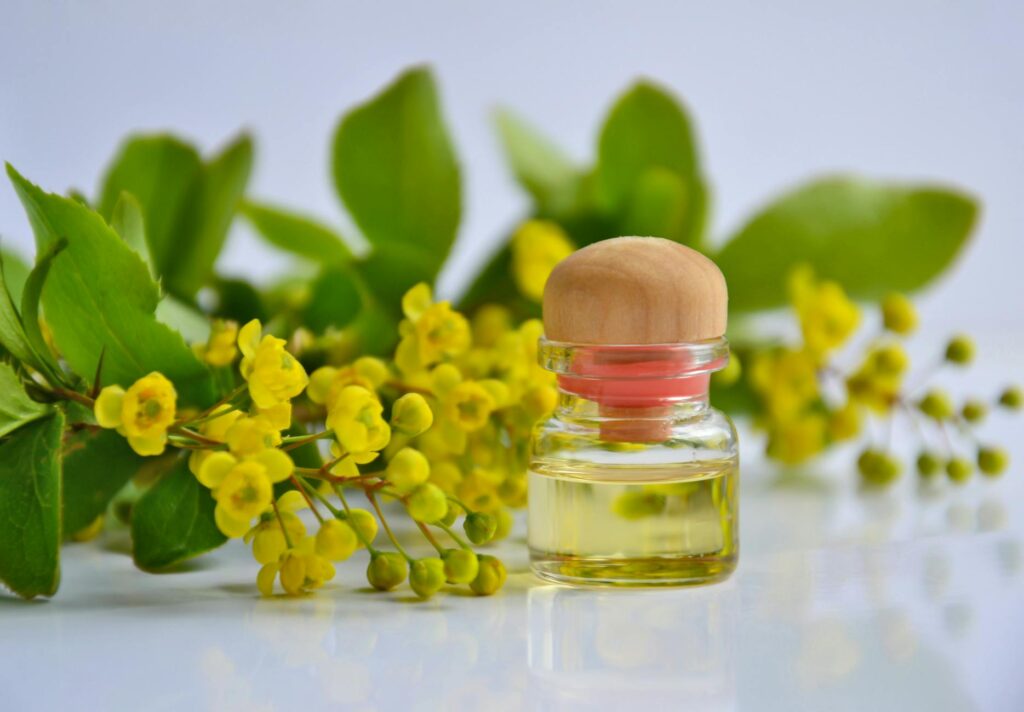
Complete Guide to Aromatherapy Blends for Pain Relief Part 3
Introduction
Aromatherapy, the practice of using essential oils extracted from plants, has gained popularity as a complementary approach for various health concerns, including pain relief. This article serves as a comprehensive guide to understanding aromatherapy blends specifically designed for alleviating pain. In this third part of our series, we will delve into the intricacies of these blends, their benefits, applications, and important considerations for safe usage.
What Is Aromatherapy Blends for Pain Relief?
Aromatherapy blends for pain relief are combinations of essential oils that are formulated to address various types of discomfort, including headaches, muscle soreness, and joint pain. The therapeutic properties of essential oils—derived from flowers, leaves, bark, and roots—are believed to interact with the body’s limbic system through olfactory pathways. This interaction can promote relaxation, reduce inflammation, and provide emotional comfort, contributing to an overall sense of well-being.
These blends can vary significantly in composition, often including oils known for their analgesic (pain-relieving), anti-inflammatory, or muscle-relaxing properties. The effectiveness of these blends depends on the specific oils used, their quality, and the method of application.
Key Benefits and Properties
Aromatherapy blends for pain relief offer a range of potential benefits, including:
1. Pain Relief: Certain essential oils, such as peppermint and eucalyptus, have analgesic properties that may help reduce pain sensations.
2. Anti-Inflammatory Effects: Oils like ginger and chamomile are known for their anti-inflammatory properties, which can help alleviate swelling and discomfort.
3. Muscle Relaxation: Blends containing lavender or marjoram may promote muscle relaxation, making them effective for tension relief.
4. Calming Effects: The aromatic compounds in essential oils can have a calming effect on the mind, potentially reducing stress and anxiety that can exacerbate pain.
5. Enhanced Circulation: Some oils, such as rosemary and black pepper, are believed to stimulate blood flow, potentially aiding in pain relief.
6. Improved Mood: The uplifting properties of certain oils can enhance emotional well-being, which can be beneficial in managing chronic pain.
Common Uses
Aromatherapy blends for pain relief can be utilized in various scenarios, including:
- Muscle Aches: After an intense workout or physical activity, topical application of a pain relief blend may help soothe sore muscles.
- Headaches and Migraines: Inhalation or topical application of specific blends can offer relief from tension headaches or migraines.
- Joint Pain: For individuals experiencing arthritis or joint discomfort, targeted application of blends can provide localized relief.
- Menstrual Pain: Some women find relief from menstrual cramps through the use of specific essential oil blends.
- Neck and shoulders for tension relief
- Lower back for muscle soreness
- Temples and forehead for headaches
- Diffusers: Essential oil diffusers disperse the aroma throughout a room, creating a calming atmosphere.
- Inhalers: Personal inhalers allow individuals to breathe in essential oil blends directly.
- Steam Inhalation: Adding essential oils to a bowl of hot water and inhaling the steam can provide immediate relief for headaches and respiratory issues.
- Cool, Dark Place: Store essential oils in a cool, dark place away from direct sunlight and heat sources, as light and heat can degrade their quality.
- Tightly Sealed Containers: Ensure that oils are stored in tightly sealed containers to prevent evaporation and oxidation.
- Shelf Life: The shelf life of essential oils varies; citrus oils tend to have a shorter shelf life (usually 1-2 years), while oils like sandalwood and patchouli can last longer (up to 5 years or more). Regularly check for changes in scent or consistency.
Aromatherapy Applications
The application of aromatherapy blends can vary depending on personal preference and specific needs. Common methods include:
1. Topical Application
This method involves diluting essential oils in a carrier oil (such as coconut, jojoba, or olive oil) and applying the blend directly to the skin. Areas commonly targeted include:
2. Inhalation
Inhalation is a simple and effective way to experience the benefits of aromatherapy. This can be accomplished through:
3. Bathing
Adding a blend of essential oils to a warm bath can enhance relaxation and provide full-body relief. Always ensure that oils are properly diluted in a carrier oil or emulsifier to prevent skin irritation.
4. Massage
Incorporating aromatherapy blends into massage therapy can enhance the overall experience, promoting both physical and emotional relaxation. A trained massage therapist can use these blends to target specific areas of pain.
Safety Considerations
While aromatherapy blends can be beneficial, it is crucial to consider safety:
1. Dilution: Essential oils are highly concentrated and should always be diluted in a carrier oil before topical application to prevent skin irritation.
2. Patch Testing: Before using a new blend, conduct a patch test on a small area of skin to check for any allergic reactions.
3. Pregnancy and Nursing: Certain essential oils may not be safe for use during pregnancy or while nursing. Consult with a qualified professional for guidance.
4. Health Conditions: Individuals with certain health conditions or those taking medications should exercise caution, as some essential oils can interact with medications or exacerbate certain conditions.
5. Children and Pets: Some essential oils are not suitable for use around children or pets. Always research individual oils for safety.
Storage and Shelf Life
Proper storage is essential for maintaining the integrity and efficacy of essential oils. Follow these guidelines:
Frequently Asked Questions
1. Can I create my own aromatherapy blend for pain relief?
Yes, creating your own blend can be a rewarding experience. Start with a base of 2-3 essential oils known for their pain-relieving properties, and make sure to dilute them in a carrier oil.
2. How often can I use aromatherapy blends for pain relief?
The frequency of use can vary based on individual needs and the specific oils used. Generally, applying or inhaling the blend as needed can be effective, but it’s wise to monitor how your body responds.
3. Are there any essential oils to avoid for pain relief?
Certain oils, such as wintergreen and birch, contain compounds similar to aspirin and should be used with caution, especially for those with allergies to aspirin. Always research individual oils before use.
4. Can aromatherapy completely eliminate pain?
While aromatherapy can provide significant relief for many individuals, it is not a substitute for medical treatment. It is best used as a complementary approach alongside other pain management strategies.
5. What is the difference between essential oils and fragrance oils?
Essential oils are derived from natural plant sources and contain the true essence of the plant, while fragrance oils are synthetic and do not possess the therapeutic properties of essential oils.
Conclusion
Aromatherapy blends for pain relief offer a holistic approach to managing discomfort through the power of essential oils. By understanding their properties, applications, and safety considerations, individuals can explore this natural method to enhance their well-being. As with any complementary therapy, it is important to approach aromatherapy with informed choices and consult with healthcare professionals when necessary.