
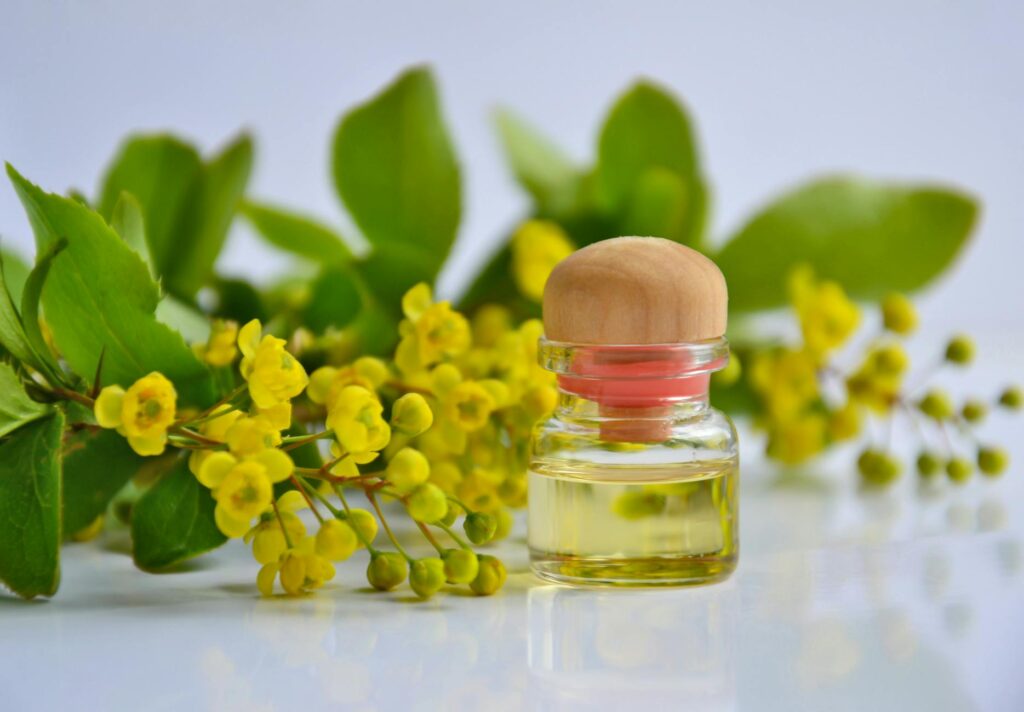
Complete Guide to Aromatherapy Blends for Pain Relief Part 4
Introduction
Aromatherapy, the practice of using essential oils to promote physical and emotional well-being, has gained popularity as a complementary approach to pain relief. Blending specific essential oils can create powerful combinations that may provide comfort and alleviate discomfort. This guide explores the intricacies of aromatherapy blends specifically designed for pain relief, covering their benefits, applications, safety considerations, and storage tips.
What Is Aromatherapy Blends for Pain Relief?
Aromatherapy blends for pain relief are formulated mixtures of essential oils that target various types of discomfort, including headaches, muscle tension, joint pain, and menstrual cramps. These blends leverage the therapeutic properties of individual essential oils, which can vary widely in their effects. When combined, these oils can work synergistically, enhancing their overall efficacy and delivering a more comprehensive approach to pain management.
Key Benefits and Properties
Aromatherapy blends for pain relief offer several benefits:
1. Anti-Inflammatory Properties: Many essential oils possess anti-inflammatory properties that may help reduce swelling and discomfort. Oils like peppermint and eucalyptus are often included for their cooling effects.
2. Analgesic Effects: Certain oils, such as lavender and chamomile, are known for their analgesic qualities, which can help mitigate the sensation of pain.
3. Muscle Relaxation: Oils like marjoram and rosemary are reputed for their muscle-relaxing properties, making them ideal for easing tension and stiffness.
4. Stress Reduction: Aromatherapy can also help manage the emotional components of pain. Oils such as bergamot and ylang-ylang are often included for their calming effects, which may help reduce the perception of pain.
5. Improved Circulation: Essential oils such as ginger and black pepper are thought to stimulate circulation, enhancing the delivery of nutrients and oxygen to affected areas.
Common Uses
Aromatherapy blends for pain relief may be utilized in various contexts, including:
- Headaches: Blends with peppermint, lavender, and eucalyptus can be effective in alleviating headache symptoms.
- Muscle and Joint Pain: Oils like ginger, marjoram, and rosemary can be blended for topical application to sore muscles and joints.
- Menstrual Cramps: Clary sage and chamomile, combined with other soothing oils, may provide relief from menstrual discomfort.
- Stress-Related Pain: Blends incorporating calming oils can be used to address stress-related pain, often exacerbated by anxiety and tension.
- Cool, Dark Place: Store essential oils in a cool, dark location away from direct sunlight and heat sources to prevent degradation.
- Dark Glass Bottles: Use dark glass bottles (amber or cobalt) for storage, as they help protect the oils from light exposure.
- Tightly Sealed: Ensure that bottles are tightly sealed to prevent evaporation and contamination.
- Shelf Life: The shelf life of essential oils varies. Citrus oils typically last 1-2 years, while woody oils may last longer. Check for any changes in scent or consistency before use, as these can indicate degradation.
Aromatherapy Applications
The application of aromatherapy blends for pain relief can be performed in various ways:
1. Topical Application
Diluting essential oils in a carrier oil (such as sweet almond or jojoba) allows for direct application to painful areas. It’s essential to follow a proper dilution ratio—typically around 2-3% concentration for adults (approximately 12-18 drops of essential oil per ounce of carrier oil).
2. Diffusion
Using an essential oil diffuser can disperse the aroma throughout a room, providing a calming atmosphere. Diffusion may be particularly beneficial for tension relief and overall relaxation.
3. Inhalation
Inhaling essential oils directly from the bottle or using a personal inhaler can provide immediate relief. This method is particularly effective for headaches and stress-related discomfort.
4. Bathing
Adding essential oils to a warm bath can create a soothing experience. It’s recommended to mix the oils with a carrier (such as Epsom salt) to enhance their dispersion in water.
5. Massage
Incorporating aromatherapy into massage therapy can amplify the benefits of both practices. Blending essential oils with a carrier oil for a massage can help to relieve tension and promote relaxation.
Safety Considerations
While aromatherapy can be beneficial, it is essential to observe safety precautions:
1. Patch Test: Before using a new blend, conduct a patch test on a small area of skin to check for allergic reactions.
2. Dilution: Always dilute essential oils before topical application to avoid skin irritation.
3. Pregnancy and Nursing: Certain oils may not be safe during pregnancy or breastfeeding. Consult an expert before use.
4. Medical Conditions: Individuals with specific medical conditions or those taking certain medications should consult a healthcare provider before using essential oils.
5. Children and Pets: Some essential oils are not suitable for use around children and pets. Always research the safety of specific oils before use in these contexts.
Storage and Shelf Life
Proper storage of essential oils is crucial for maintaining their integrity and efficacy. Here are some guidelines:
Frequently Asked Questions
1. Can aromatherapy blends completely eliminate pain?
While aromatherapy blends can provide relief and support overall well-being, they should not be considered a substitute for medical treatment. The effectiveness can vary based on individual responses and the nature of the pain.
2. How do I choose the right blend for my needs?
Selecting a blend depends on the type of pain you are experiencing and your personal preferences. Exploring different essential oils and their properties can help you tailor a blend that suits your needs.
3. How often can I use aromatherapy blends for pain relief?
Frequency of use can vary. Generally, topical applications may be used several times a day, while diffusion or inhalation can be done as needed. Monitor your body’s response and adjust accordingly.
4. Are there any contraindications for using essential oils?
Yes, certain essential oils may interact with medications or exacerbate specific health conditions. Always conduct thorough research and consult a qualified professional if uncertain.
5. Can I create my own blends at home?
Yes, creating your own blends can be a rewarding experience. However, it is essential to research the properties of each oil and follow safety guidelines for dilution and application.
Conclusion
Aromatherapy blends for pain relief offer a natural and holistic approach to managing discomfort. By understanding the properties of essential oils, their applications, and safety considerations, individuals can explore the potential benefits of these aromatic solutions. Incorporating aromatherapy into a well-rounded wellness routine may provide comfort and support in addressing various types of pain. As with any complementary therapy, it is advisable to approach aromatherapy with an informed and cautious mindset.