
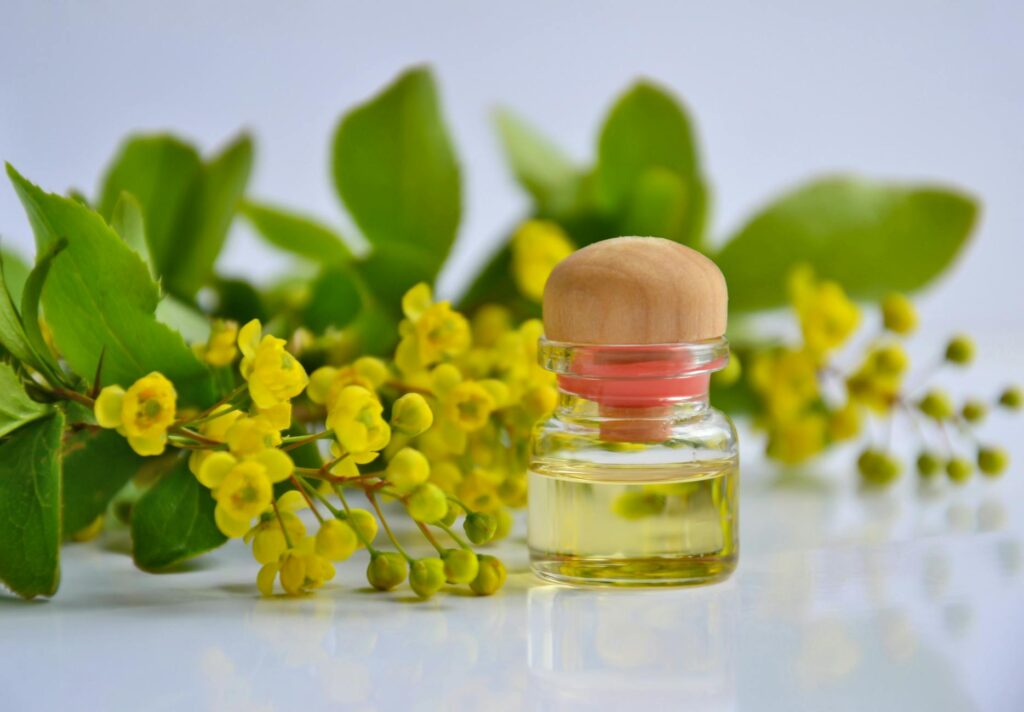
Complete Guide to Aromatherapy Blends for Pain Relief Part 6
Introduction
Aromatherapy, a holistic approach to wellness, utilizes the therapeutic properties of essential oils derived from plants. Particularly in the realm of pain relief, aromatherapy offers a natural alternative that can complement traditional treatments. This guide delves into the intricacies of aromatherapy blends specifically formulated for pain relief, exploring their benefits, applications, and safety considerations.
What Is Aromatherapy Blends for Pain Relief?
Aromatherapy blends for pain relief consist of essential oils combined in specific ratios to enhance their effectiveness in managing discomfort. These blends can target various types of pain, including muscle soreness, joint pain, headaches, and menstrual cramps. By harnessing the natural healing properties of essential oils, these blends aim to reduce pain, promote relaxation, and improve overall well-being.
Essential oils are concentrated extracts obtained from various parts of plants, such as leaves, flowers, stems, and roots. Each oil possesses unique therapeutic properties, making their combination a powerful tool in pain management. Popular essential oils used in these blends include lavender, peppermint, eucalyptus, and chamomile, among others.
Key Benefits and Properties
The therapeutic benefits of aromatherapy blends for pain relief can be attributed to the properties of the individual essential oils used. Some key benefits include:
1. Analgesic Effects: Many essential oils exhibit analgesic properties, helping to relieve pain. Oils like peppermint and eucalyptus can provide a cooling sensation and reduce inflammation.
2. Anti-inflammatory Action: Essential oils such as ginger and turmeric possess anti-inflammatory properties, which can help alleviate pain associated with conditions like arthritis or muscle strain.
3. Relaxation and Stress Relief: Aromatherapy is often associated with promoting relaxation. Oils like lavender and chamomile can help reduce stress and tension, indirectly contributing to pain relief.
4. Improved Circulation: Certain essential oils, such as rosemary and black pepper, can stimulate circulation, which may help reduce pain and promote healing.
5. Mood Enhancement: Pain can often be exacerbated by emotional factors. Aromatherapy can enhance mood, thereby potentially reducing the perception of pain.
Common Uses
Aromatherapy blends for pain relief can be employed in various contexts, including:
- Muscle Pain and Strain: Blends containing oils like peppermint, marjoram, and ginger can be effective for soothing sore muscles after exercise or physical activity.
- Joint Pain: Oils such as eucalyptus and black pepper are frequently used in blends aimed at easing joint discomfort associated with conditions like arthritis.
- Headaches and Migraines: Blends featuring lavender, peppermint, and frankincense can offer relief from tension headaches and migraines.
- Menstrual Cramps: Essential oils like clary sage and chamomile can be beneficial for easing menstrual pain when used in specific blends.
- Post-surgical Recovery: Aromatherapy can be utilized to alleviate pain and promote relaxation during the recovery process.
- Dilution: Essential oils are highly concentrated and should be diluted before topical application. A common dilution ratio is 1-2 drops of essential oil per teaspoon of carrier oil.
- Patch Test: Before using a new blend, conduct a patch test on a small area of skin to check for allergies or sensitivities.
- Consultation: Individuals with pre-existing health conditions or those who are pregnant or nursing should consult with a healthcare provider before using essential oils.
- Quality of Oils: Opt for high-quality, pure essential oils from reputable sources to ensure safety and effectiveness.
- Avoiding Sensitive Areas: Essential oils should not be applied to sensitive areas of the body, such as the eyes or mucous membranes.
- Dark Glass Containers: Store essential oils in dark amber or cobalt glass bottles to protect them from light, which can degrade their quality.
- Cool, Dry Place: Keep oils in a cool, dry environment, away from direct sunlight and heat sources, to prolong shelf life.
- Shelf Life: Generally, essential oils have a shelf life of 1-3 years, depending on the oil. Citrus oils tend to have a shorter shelf life compared to heavier oils like patchouli and cedarwood.
- Labeling: Clearly label bottles with the name of the oil and the date of purchase to track freshness.
Aromatherapy Applications
There are several methods to apply aromatherapy blends for pain relief:
1. Topical Application: Diluting essential oils in a carrier oil (such as coconut, almond, or jojoba oil) enables direct application to the affected area. This method is particularly effective for localized pain relief.
2. Inhalation: Diffusing essential oils in a room or inhaling them directly can provide systemic pain relief. This method is often used for headaches and emotional stress that exacerbates pain.
3. Baths: Adding essential oils to a warm bath can provide relaxation and pain relief for sore muscles and joints. It is advisable to mix the oils with an emulsifier, such as milk or a bath salt, to ensure even distribution in the water.
4. Compresses: A warm or cold compress infused with essential oils can be applied to specific areas to reduce pain and inflammation.
5. Massage: Incorporating aromatherapy blends into massage can enhance the benefits of both the essential oils and the physical manipulation of tissues.
Safety Considerations
While aromatherapy can be a beneficial addition to pain management, it is essential to observe safety considerations:
Storage and Shelf Life
Proper storage of essential oils is crucial to maintaining their potency and effectiveness. Here are some guidelines:
Frequently Asked Questions
What essential oils are best for pain relief?
Common essential oils for pain relief include lavender, peppermint, eucalyptus, ginger, chamomile, and rosemary. Each oil has specific properties that cater to different types of pain.
Can I use aromatherapy blends every day?
Yes, many individuals find daily use of aromatherapy blends beneficial. However, it is essential to monitor your body’s response and adjust usage as needed.
Are there any side effects of using essential oils?
While essential oils are generally safe when used correctly, some individuals may experience allergic reactions or skin irritation. Always perform a patch test and consult with a healthcare provider if concerned.
Can I mix different essential oils together?
Yes, blending essential oils can enhance their therapeutic properties. However, it is important to research compatibility and consider the individual characteristics of each oil.
Is it safe to use essential oils during pregnancy?
Some essential oils are not recommended during pregnancy. Always consult with a healthcare provider for personalized guidance.
Conclusion
Aromatherapy blends for pain relief represent a natural and holistic approach to managing discomfort. By understanding the properties, applications, and safety considerations of essential oils, individuals can effectively incorporate these blends into their wellness routines. As with any therapeutic practice, it is essential to approach aromatherapy with mindfulness and care, ensuring a safe and beneficial experience.