
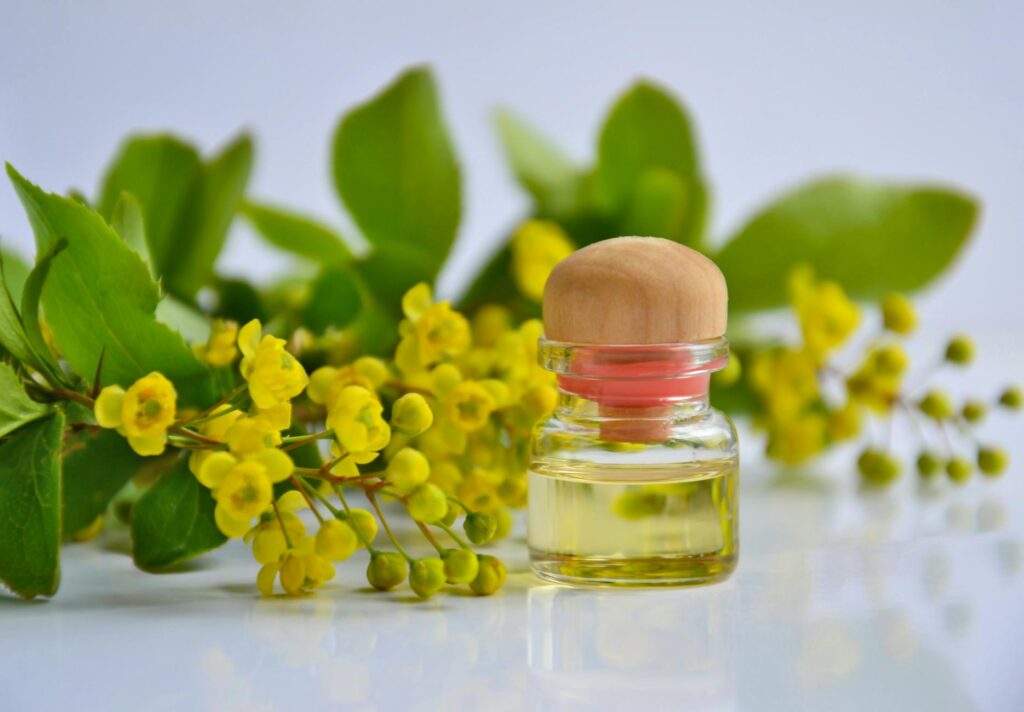
Complete Guide to Aromatherapy Blends for Pain Relief Part 7
Introduction
Aromatherapy, an ancient practice that utilizes the therapeutic properties of essential oils, has gained popularity worldwide for its potential to alleviate various ailments, including pain. This guide focuses on aromatherapy blends specifically designed for pain relief, providing insights into their components, benefits, and applications. As interest in holistic health continues to grow, it is essential to understand the science behind these blends and how they can be effectively used.
What Is Aromatherapy Blends for Pain Relief?
Aromatherapy blends for pain relief consist of carefully selected essential oils combined to create a synergistic effect aimed at reducing discomfort. These blends harness the natural therapeutic properties of plant extracts to target various types of pain, including muscular, joint, and headache-related pain. The method of application and the specific oils chosen can vary depending on the individual’s preferences and the nature of the pain.
Key Benefits and Properties
Aromatherapy blends for pain relief offer numerous benefits, thanks to the unique properties of essential oils. Some key benefits include:
- Anti-inflammatory Properties: Many essential oils possess anti-inflammatory effects, helping to reduce swelling and discomfort associated with pain.
- Analgesic Effects: Certain oils act as natural analgesics, providing pain relief by blocking pain signals in the body.
- Muscle Relaxation: Some essential oils can promote relaxation of the muscles, easing tension and reducing pain associated with muscle strain.
- Emotional Well-being: Aromatherapy can also help manage the emotional aspects of pain, such as anxiety and stress, which may exacerbate the perception of discomfort.
- Improved Circulation: Several essential oils stimulate blood flow, which can aid in the recovery of injured tissues.
- Muscle Pain: Blends can provide relief from soreness and tension in muscles after exercise or physical labor.
- Joint Pain: Formulations may alleviate discomfort associated with conditions such as arthritis or general joint strain.
- Headaches and Migraines: Specific blends can help reduce the intensity and frequency of headaches, including tension headaches and migraines.
- Menstrual Cramps: Certain essential oils can ease the discomfort associated with menstrual pain.
- Post-Surgical Pain: Aromatherapy may assist in providing comfort after surgical procedures, contributing to overall recovery.
- Diffusion: Using a diffuser to disperse essential oils into the air can create a calming environment, helping to alleviate emotional stress associated with pain.
- Steam Inhalation: Adding a few drops of essential oil to hot water and inhaling the steam can provide relief for headaches and respiratory discomfort.
- Personal Inhalers: These portable devices allow individuals to inhale essential oils directly, making them an excellent option for on-the-go relief.
- Dilution: Essential oils are highly concentrated and should always be diluted in a carrier oil before topical application to prevent skin irritation.
- Allergies: Conduct a patch test by applying a diluted blend to a small area of skin to check for allergic reactions before widespread use.
- Pregnancy and Nursing: Consult with a knowledgeable practitioner before using essential oils during pregnancy or while nursing, as some oils may not be safe.
- Children and Pets: Certain essential oils are not recommended for use around children or pets. Always check safety guidelines for specific oils.
- Medical Conditions: Individuals with specific medical conditions or those taking medications should consult with a healthcare professional before using aromatherapy.
- Dark Glass Containers: Store essential oils in dark glass bottles to protect them from light, which can degrade their quality.
- Cool, Dry Place: Keep oils in a cool, dry environment away from direct sunlight and heat sources.
- Tight Seals: Ensure that bottles are tightly sealed to prevent evaporation and contamination.
- Shelf Life: Essential oils have varying shelf lives, typically ranging from 1 to 5 years. Citrus oils tend to have shorter shelf lives, while oils like sandalwood may last longer.
Common Uses
Aromatherapy blends for pain relief can be applied in various contexts and for different types of pain, including:
Aromatherapy Applications
There are several methods for applying aromatherapy blends for pain relief, each with its unique benefits:
1. Topical Application
Topical application is one of the most common methods for using aromatherapy blends for pain relief. This involves mixing essential oils with a carrier oil, such as coconut, jojoba, or almond oil, before applying them directly to the affected area. This method allows for localized relief and can be particularly effective for muscle and joint pain.
2. Inhalation
Inhalation is another effective method for using aromatherapy for pain relief. This can be achieved through the following techniques:
3. Baths
Adding essential oils to warm bathwater can create a soothing experience, promoting relaxation and pain relief. It is essential to dilute the oils in a carrier oil or use an emulsifier like milk to help the oils disperse in water.
4. Massage
Incorporating aromatherapy blends into massage therapy can enhance the benefits of both techniques. The combination of essential oils and massage can help reduce muscle tension and improve circulation, providing greater pain relief.
Safety Considerations
While aromatherapy is generally safe for most individuals, certain precautions should be observed:
Storage and Shelf Life
Proper storage of essential oils is crucial to maintaining their potency and effectiveness. Follow these guidelines:
Frequently Asked Questions
1. Can I create my own pain relief blends?
Yes, you can create your own blends by combining essential oils known for their analgesic and anti-inflammatory properties. However, it is essential to understand the properties of each oil and how they interact.
2. How often can I use aromatherapy blends for pain relief?
The frequency of use depends on the individual and the severity of pain. Generally, blends can be applied several times a day, but it is advisable to start with less frequent applications to assess tolerance.
3. Are there any essential oils that should be avoided for pain relief?
Certain oils, such as wintergreen and clove, may not be suitable for everyone, particularly those with specific medical conditions or sensitivities. Research and consult with a knowledgeable practitioner to determine the best options for you.
4. Can aromatherapy replace conventional pain relief methods?
While aromatherapy can be a helpful adjunct to pain relief, it should not replace conventional medical treatments. Always consult with healthcare professionals before making changes to your pain management plan.
5. How do I know if a blend is effective?
The effectiveness of an aromatherapy blend can vary from person to person. It is essential to observe how your body responds to specific oils and blends and adjust accordingly. Keeping a journal may help track your experiences.
Conclusion
Aromatherapy blends for pain relief offer a natural and holistic approach to managing discomfort. By understanding the properties of essential oils and their applications, individuals can explore various methods to enhance their well-being. As with any complementary therapy, it is crucial to exercise caution and make informed decisions to achieve the best outcomes.