
Complete Guide to Aromatherapy Blends for Post-Surgery Recovery
Introduction
Post-surgery recovery is a crucial phase in the healing process, often accompanied by physical discomfort, emotional stress, and anxiety. While traditional recovery methods primarily focus on medication and physical rehabilitation, complementary therapies such as aromatherapy have gained popularity for their potential to enhance well-being. This guide provides an overview of aromatherapy blends specifically designed for post-surgery recovery, discussing their benefits, applications, and safety considerations.
What Are Aromatherapy Blends for Post-Surgery Recovery?
Aromatherapy blends consist of essential oils combined to achieve specific therapeutic effects. These natural plant extracts are known for their unique properties, which can support emotional and physical well-being. When used during recovery from surgery, these blends may help alleviate discomfort, reduce anxiety, and promote relaxation.
Common essential oils utilized in post-surgery blends include lavender, chamomile, peppermint, and eucalyptus. Each oil contains various compounds that contribute to their healing properties, making them suitable for different aspects of the recovery process.
Key Benefits and Properties
1. Pain Relief: Certain essential oils possess analgesic properties that can help mitigate discomfort. For example, peppermint oil is known for its cooling effect, which may ease pain and inflammation.
2. Anxiety Reduction: Essential oils like lavender and chamomile have calming effects that can reduce anxiety and promote emotional stability during recovery.
3. Improved Sleep Quality: Rest is vital for recovery, and essential oils can help enhance sleep quality. Lavender, in particular, is well-regarded for its sleep-inducing properties.
4. Antimicrobial Effects: Some essential oils, such as tea tree oil and eucalyptus, have antimicrobial properties that may aid in preventing infection, particularly in surgical sites.
5. Enhanced Circulation: Oils like rosemary and ginger may help stimulate circulation, which can support faster healing.
Common Uses
Aromatherapy blends can be utilized in various forms during post-surgery recovery:
- Diffusion: Using an essential oil diffuser disperses the aroma into the air, creating a calming environment.
- Topical Application: Blending essential oils with a carrier oil can be applied to the skin to target specific areas of discomfort.
- Inhalation: Direct inhalation of essential oils from a bottle or a tissue can provide immediate relief from anxiety or discomfort.
- Baths: Adding essential oils to a warm bath can create a soothing experience, promoting relaxation and easing muscle tension.
- Ingredients:
- 3 drops of peppermint oil
- 3 drops of lavender oil
- 2 drops of chamomile oil
- 2 tablespoons of carrier oil (such as coconut or almond oil)
- Application: Mix the oils and gently massage onto the areas of discomfort, avoiding any open wounds.
- Ingredients:
- 4 drops of lavender oil
- 3 drops of bergamot oil
- 2 drops of frankincense oil
- Application: Use a diffuser to disperse the blend in the room, or inhale directly from the bottle.
- Ingredients:
- 5 drops of lavender oil
- 5 drops of geranium oil
- 2 tablespoons of carrier oil (to help disperse the oils in water)
- Application: Mix the oils with the carrier oil and add to a warm bath. Soak for 20-30 minutes for maximum relaxation.
- Ingredients:
- 3 drops of ginger oil
- 3 drops of rosemary oil
- 2 tablespoons of carrier oil
- Application: Massage gently into the skin, focusing on areas where circulation may be sluggish.
- Consultation: Always consult with a healthcare provider before using essential oils, especially following surgery.
- Dilution: Essential oils should be diluted with a carrier oil before topical application to prevent skin irritation.
- Allergies: Conduct a patch test on a small area of skin to check for allergic reactions prior to widespread use.
- Quality of Oils: Use high-quality, pure essential oils from reputable sources to ensure their safety and effectiveness.
- Avoid Certain Oils: Some oils may not be suitable for individuals with specific health conditions or those who are pregnant or breastfeeding.
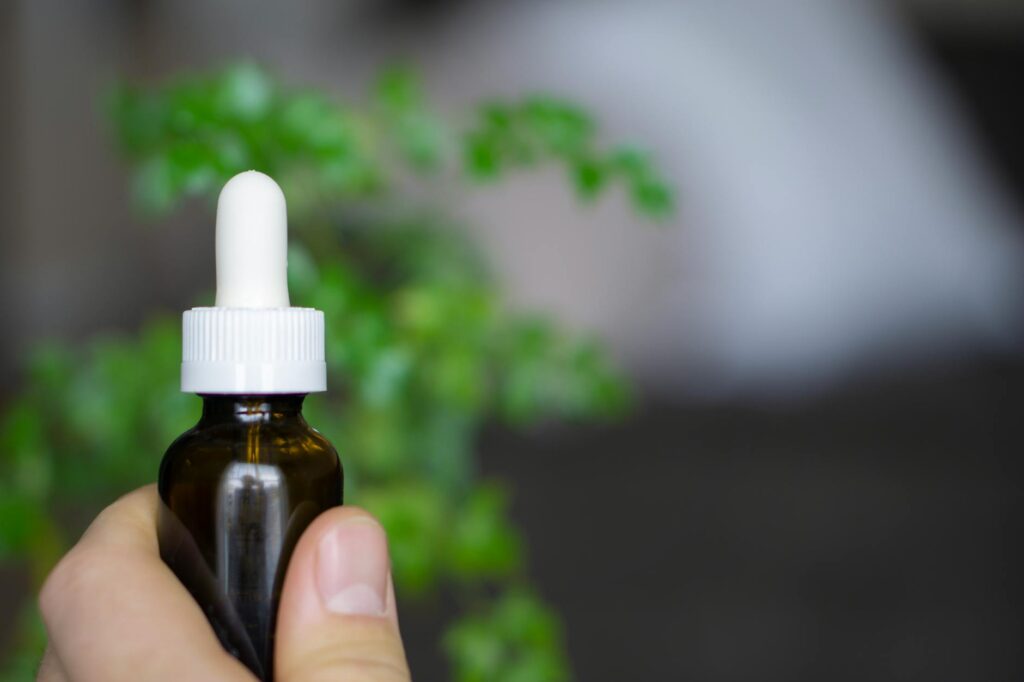
- Storage: Store essential oils in a cool, dark place, preferably in amber or cobalt glass bottles to protect them from light.
- Shelf Life: Essential oils generally have a shelf life of 1-3 years, depending on the oil. Citrus oils tend to have shorter shelf lives than oils derived from trees or shrubs.
- Signs of Degradation: If an oil changes color, develops an unusual smell, or becomes cloudy, it is best to dispose of it, as these can be signs of degradation.
Aromatherapy Applications
1. Essential Oil Blends for Pain Relief
2. Calming Blend for Anxiety
3. Restorative Bath Blend
4. Circulation Booster
Safety Considerations
While aromatherapy can offer many benefits, it is essential to consider safety:
Storage and Shelf Life
Proper storage of essential oils is crucial for maintaining their effectiveness:
Frequently Asked Questions
1. Can aromatherapy replace medication during recovery?
Aromatherapy should be seen as a complementary therapy rather than a replacement for conventional medical treatments. Always discuss with a healthcare provider before making changes to your recovery plan.
2. How often can I use essential oils during recovery?
The frequency of essential oil use can vary depending on individual needs and preferences. For topical applications, it is generally advisable to use them 1-3 times daily, while diffusion can be done as needed.
3. Are there any essential oils I should avoid after surgery?
Certain oils, such as those derived from strong herbs or that are known to stimulate the body, may not be suitable immediately after surgery. Always consult a healthcare professional for personalized advice.
4. Can I use essential oils for children or the elderly after surgery?
Special care should be taken when using essential oils on children or the elderly. Always dilute oils appropriately and consult with a healthcare provider for guidance.
5. What if I experience a negative reaction?
If you experience any adverse reactions, discontinue use immediately and consult a healthcare provider.
Conclusion
Aromatherapy blends can be a valuable addition to your post-surgery recovery plan, promoting relaxation, alleviating pain, and enhancing overall well-being. By understanding the properties of various essential oils and their safe applications, individuals can create a supportive environment for healing. Remember to approach aromatherapy as a complementary practice alongside conventional medical advice, ensuring a holistic approach to recovery.