
Complete Guide to Aromatherapy Blends for Respiratory Health Part 4
Introduction
Aromatherapy, the practice of using essential oils for therapeutic benefits, has gained popularity for its holistic approach to health and well-being. Among its various applications, one of the most significant is in supporting respiratory health. This article delves into aromatherapy blends specifically designed to promote respiratory well-being, exploring their benefits, common uses, applications, and safety considerations.
What Is Aromatherapy Blends for Respiratory Health?
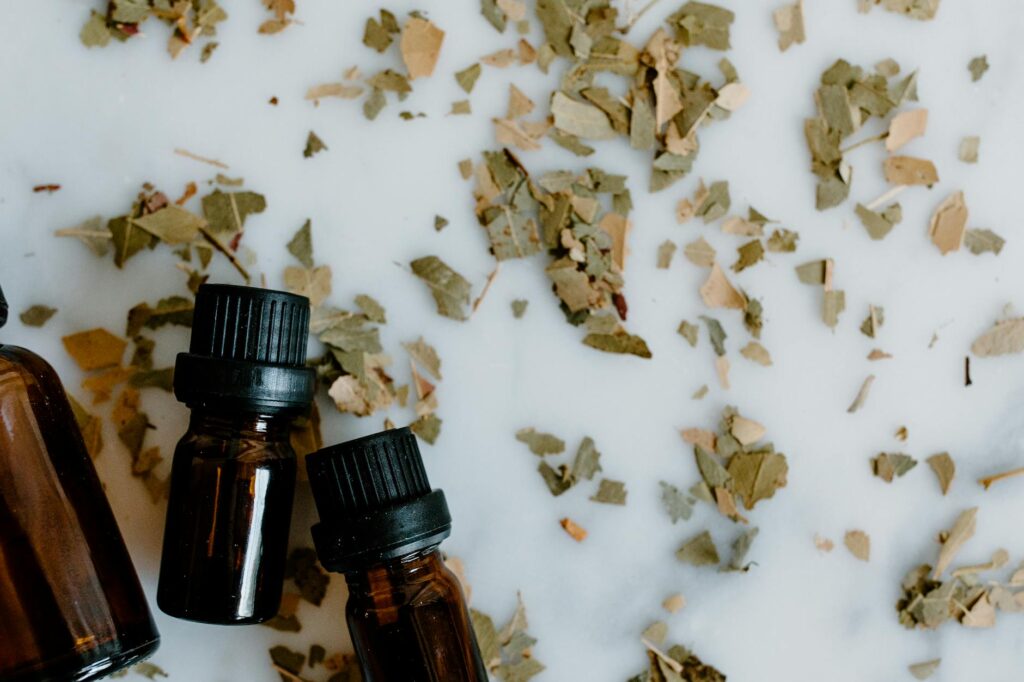
Aromatherapy blends for respiratory health consist of carefully selected essential oils combined to support the respiratory system. These blends can aid in alleviating symptoms associated with respiratory conditions, enhancing overall lung function, and promoting relaxation. Common essential oils used in these blends include eucalyptus, peppermint, tea tree, and lavender, each known for their unique properties and benefits.
Key Benefits and Properties
The primary benefits and properties of aromatherapy blends for respiratory health can be categorized as follows:
1. Decongestant Properties
Certain essential oils, such as eucalyptus and peppermint, are known for their decongestant properties. They help clear nasal passages and promote easier breathing.
2. Anti-inflammatory Effects
Essential oils like tea tree and eucalyptus possess anti-inflammatory properties, which can help reduce swelling in the airways, improving airflow and comfort.
3. Antimicrobial Activity
Many essential oils have natural antimicrobial properties, which can help combat airborne pathogens and reduce the risk of respiratory infections.
4. Relaxation and Stress Relief
Aromatherapy is not solely about physical benefits; it also promotes mental well-being. Oils such as lavender and chamomile can reduce stress and anxiety, contributing to relaxed breathing patterns.
5. Support for Immune Function
Some essential oils, like lemon and thyme, are believed to boost immune function, offering additional support during cold and flu season.
Common Uses
Aromatherapy blends for respiratory health can be employed in various ways:
1. Inhalation
Direct inhalation of essential oils can provide immediate relief for respiratory discomfort. This can be achieved through steam inhalation or simply inhaling from the bottle.
2. Diffusion
Using an essential oil diffuser allows the therapeutic properties of oils to permeate the air, creating a conducive environment for respiratory health.
3. Topical Application
Diluted essential oils can be applied to the chest, back, or pulse points. This method can facilitate direct absorption through the skin and promote localized relief.
4. Bathing
Adding aromatic oils to a warm bath can create a soothing environment, allowing for inhalation and skin absorption simultaneously.
5. Room Sprays
Creating a room spray with essential oils can help purify the air and create a calming atmosphere that supports respiratory health.
Aromatherapy Applications
1. Essential Oil Blends
Here are several popular blends specifically formulated for respiratory health:
- Eucalyptus and Lavender Blend
- Ingredients: 3 drops eucalyptus oil, 2 drops lavender oil, 1 drop lemon oil.
- Application: Diffuse in a room or add to a warm bath.
- Peppermint and Tea Tree Blend
- Ingredients: 4 drops peppermint oil, 2 drops tea tree oil, 1 drop rosemary oil.
- Application: Inhale directly from the bottle or use in a steam inhalation.
- Cypress and Frankincense Blend
- Ingredients: 2 drops cypress oil, 3 drops frankincense oil, 2 drops orange oil.
- Application: Apply diluted to the chest area or diffuse for a calming atmosphere.
2. Steam Inhalation
For a more intense treatment, steam inhalation can be beneficial. Add a few drops of an essential oil blend to a bowl of hot water. Cover your head with a towel and lean over the bowl, inhaling deeply. This method can help clear congestion and promote easier breathing.
3. Chest Rub
Create a chest rub by combining essential oils with a carrier oil such as coconut or almond oil. Apply this blend gently to the chest and back, allowing the oils to absorb and work on the respiratory system.
Safety Considerations
While aromatherapy can be beneficial, certain precautions should be observed:
1. Dilution
Essential oils are highly concentrated and should always be diluted with a carrier oil before topical application. A general guideline is to use a 1-2% dilution for adults, which translates to about 6-12 drops of essential oil per ounce of carrier oil.
2. Patch Testing
Before using a new essential oil blend on the skin, conduct a patch test to check for allergic reactions. Apply a small amount of diluted oil to a small skin area and observe for any adverse reactions over 24 hours.
3. Pregnancy and Nursing
Certain essential oils may not be safe for pregnant or nursing women. It is advisable to consult with a healthcare professional before using aromatherapy during these times.
4. Children and Pets
Some essential oils are not suitable for children or pets. Always research the safety of specific oils and consult with a professional if unsure.
5. Underlying Health Conditions
Individuals with respiratory conditions, such as asthma, should exercise caution when using essential oils. Some oils may trigger sensitivities, and it is advisable to seek guidance from a healthcare professional.
Storage and Shelf Life
Proper storage of essential oils is crucial for maintaining their potency and effectiveness. Here are some guidelines:
1. Keep Away from Light
Store essential oils in dark glass bottles, as exposure to light can degrade their quality.
2. Cool, Dry Place
Essential oils should be kept in a cool, dry environment, away from heat sources that can alter their chemical composition.
3. Shelf Life
Most essential oils have a shelf life of 1-3 years, though some oils like citrus may degrade faster. Always check for signs of spoilage, such as changes in color, odor, or consistency.
Frequently Asked Questions
1. Can aromatherapy completely cure respiratory issues?
Aromatherapy can support respiratory health but is not a substitute for medical treatment. It is advisable to consult a healthcare professional for persistent respiratory issues.
2. How often can I use essential oils for respiratory health?
Usage frequency depends on the method of application and individual sensitivities. Generally, inhalation and diffusion can be done as needed, while topical applications should be limited to 1-2 times daily.
3. Are there specific essential oils to avoid for respiratory issues?
Certain oils, such as those with strong fragrances or potential irritants, may be best avoided for sensitive individuals. Researching specific oils is essential before use.
4. Can I mix essential oils for respiratory health?
Yes, creating blends can enhance the benefits of individual oils. However, ensure that the oils you choose complement each other in terms of their properties.
5. Is it safe to use essential oils in a humidifier?
Not all humidifiers are designed for essential oils, and using them inappropriately can damage the device. It is best to use a diffuser specifically designed for essential oils.
Conclusion
Aromatherapy blends for respiratory health offer a natural and holistic approach to supporting the respiratory system. By understanding their properties, applications, and safety considerations, individuals can effectively incorporate these blends into their wellness routines. While aromatherapy can provide relief and enhance well-being, it is crucial to remember that it complements, rather than replaces, conventional medical treatment. Always approach aromatherapy with informed caution and a holistic mindset.