
Complete Guide to Aromatherapy Blends for Respiratory Health Part 5
Introduction
Aromatherapy, the practice of using essential oils for therapeutic purposes, has gained popularity as a complementary approach to enhancing overall well-being. In this fifth installment of our comprehensive guide, we delve into aromatherapy blends specifically designed to support respiratory health. This guide aims to provide a thorough understanding of the properties, benefits, and applications of these aromatic blends, enabling individuals to explore their potential in promoting respiratory wellness.
What Is Aromatherapy Blends for Respiratory Health?
Aromatherapy blends for respiratory health consist of carefully selected essential oils that are known for their beneficial effects on the respiratory system. These blends can help alleviate symptoms associated with respiratory conditions, enhance lung function, and promote easier breathing. Typically, these essential oils are derived from plants, including flowers, leaves, bark, and roots, and are extracted through processes such as steam distillation or cold pressing.
Common essential oils used in respiratory blends often include eucalyptus, peppermint, tea tree, and lavender. Each oil possesses unique properties that contribute to the overall effectiveness of the blend.
Key Benefits and Properties
Aromatherapy blends for respiratory health offer a variety of benefits due to the inherent properties of the essential oils involved. Some key benefits include:
1. Decongestant Properties: Essential oils like eucalyptus and peppermint can help open up airways, making it easier to breathe and relieving nasal congestion.
2. Anti-inflammatory Effects: Many essential oils, such as tea tree and lavender, possess anti-inflammatory properties that may help reduce swelling in the respiratory tract.
3. Antimicrobial Activity: Certain oils have antimicrobial properties, helping to combat respiratory infections and support the immune system.
4. Relaxation and Stress Relief: Aromatherapy can promote relaxation, which may help ease breathing difficulties associated with stress or anxiety.
5. Expectorant Qualities: Some oils can aid in loosening mucus and phlegm, facilitating easier expulsion from the respiratory system.
Common Uses
Aromatherapy blends for respiratory health can be utilized in various contexts, including:
- Inhalation: Direct inhalation of essential oils can provide immediate relief from respiratory discomfort. This can be done using a diffuser, steam inhalation, or simply by placing a few drops on a tissue and inhaling.
- Topical Application: When diluted with a carrier oil, essential oils can be applied to the chest or back. This method allows for localized relief and can enhance the efficacy of the blend.
- Baths: Adding essential oils to bathwater can create a soothing environment for relaxation and respiratory support. The steam from the warm water can also help carry the aromatic compounds into the air.
- Steam Inhalation: This method involves adding essential oils to a bowl of hot water and inhaling the steam. This can be particularly beneficial for clearing congestion.
- Ingredients: 5 drops eucalyptus essential oil, 5 drops peppermint essential oil, 2 tablespoons carrier oil (e.g., coconut or jojoba oil).
- Application: Dilute the essential oils in the carrier oil and apply to the chest and back. Alternatively, use in a diffuser for inhalation.
- Ingredients: 4 drops lavender essential oil, 4 drops tea tree essential oil, 2 tablespoons carrier oil.
- Application: Use as a topical application on the chest or in a warm bath to promote relaxation and support respiratory health.
- Ingredients: 3 drops lemon essential oil, 3 drops thyme essential oil, 2 tablespoons carrier oil.
- Application: This invigorating blend can be inhaled directly or diffused to promote clear breathing.
- Ingredients: 3 drops eucalyptus essential oil, 3 drops rosemary essential oil, 2 drops peppermint essential oil, 2 tablespoons carrier oil.
- Application: Ideal for topical application or diffusion, this blend can help clear congestion and ease breathing difficulties.
- Dilution: Always dilute essential oils with a carrier oil before applying them to the skin to avoid irritation.
- Patch Test: Conduct a patch test on a small area of skin to check for any allergic reactions prior to widespread use.
- Avoiding Sensitive Areas: Keep essential oils away from sensitive areas, including the eyes and mucous membranes.
- Consultation: Individuals with respiratory conditions, pregnant women, or those taking medications should consult a healthcare professional before using essential oils.
- Storage: Store essential oils in a cool, dark place away from direct sunlight to maintain their integrity.
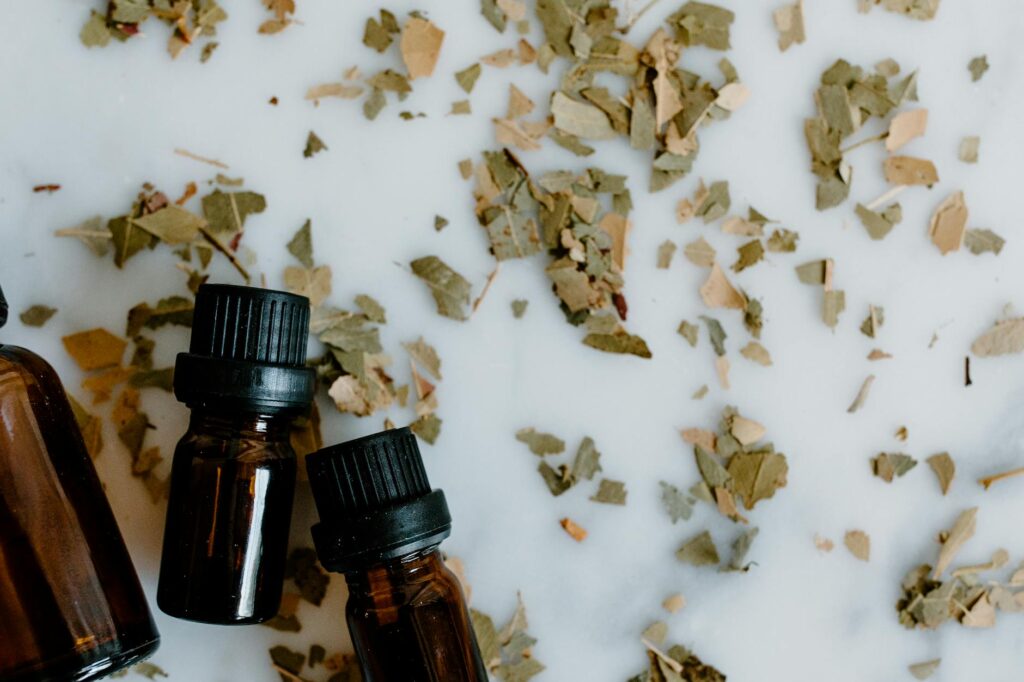
- Containers: Use dark glass bottles (amber or cobalt) to protect oils from light degradation.
- Temperature: Store oils in a cool, dry place, ideally between 60°F and 75°F (15°C to 24°C). Avoid extreme temperatures.
- Shelf Life: Most essential oils have a shelf life of 1 to 3 years, but this can vary depending on the oil. Citrus oils tend to have a shorter shelf life, while oils from resins or woods may last longer.
- Signs of Spoilage: If an oil develops an off smell or changes in consistency or color, it may be time to discard it.
Aromatherapy Applications
Essential Oil Blends for Respiratory Support
Here are a few popular blends that can be used for respiratory health:
1. Eucalyptus and Peppermint Blend:
2. Lavender and Tea Tree Blend:
3. Citrus and Thyme Blend:
4. Breathe Easy Blend:
Safety Considerations
While aromatherapy can provide various benefits, it is essential to approach its use with caution:
Storage and Shelf Life
Proper storage of essential oils is crucial to preserving their potency and aroma. Here are some guidelines:
Frequently Asked Questions
1. Can aromatherapy replace traditional medicine for respiratory issues?
Aromatherapy is not a substitute for professional medical treatment. It can be a complementary approach, but individuals should consult healthcare providers for respiratory conditions.
2. Which essential oils are best for respiratory health?
Commonly used essential oils for respiratory health include eucalyptus, peppermint, tea tree, lavender, rosemary, and thyme. Each oil has unique properties that can support respiratory function.
3. How should I use essential oils for respiratory health?
Essential oils can be used in various ways, including inhalation, topical application, baths, and steam inhalation. Always dilute oils appropriately and consider individual sensitivities.
4. Are there any side effects of using essential oils?
Some individuals may experience skin irritation or allergic reactions. Conduct patch tests and consult a healthcare professional if you have concerns about specific oils or pre-existing conditions.
5. Can children use aromatherapy blends?
Children can benefit from aromatherapy, but it is crucial to use appropriate oils, dilutions, and methods. Consult a healthcare provider for guidance tailored to children’s needs.
6. Is it safe to use essential oils during pregnancy?
Pregnant individuals should exercise caution and consult a healthcare professional before using essential oils, as some oils may not be safe during pregnancy.
Conclusion
Aromatherapy blends for respiratory health present a natural option for enhancing lung function, promoting easier breathing, and alleviating discomfort associated with respiratory issues. By understanding the properties, benefits, and applications of these blends, individuals can explore their potential to support respiratory wellness. However, it is essential to approach aromatherapy responsibly, considering safety guidelines and consulting professionals when necessary.