
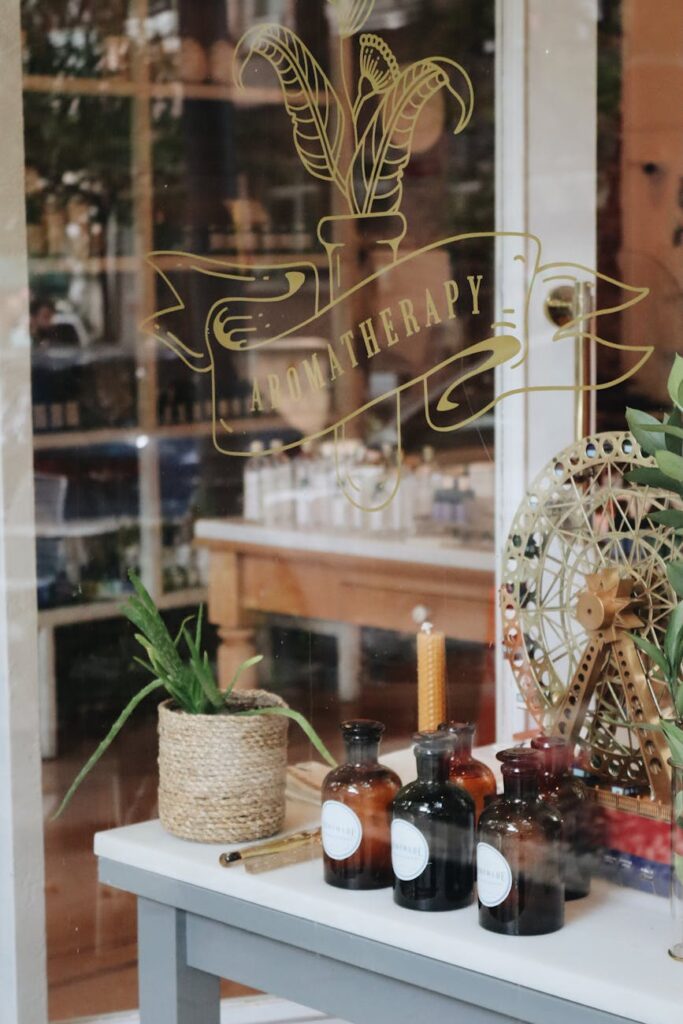
Complete Guide to Aromatherapy Blends for Seasonal Affective Disorder Part 2
Introduction
Seasonal Affective Disorder (SAD) is a type of depression that occurs at certain times of the year, typically during the fall and winter months when daylight hours are shorter. Many individuals seek alternative therapies to help alleviate the symptoms associated with this condition. Aromatherapy, the practice of using essential oils for therapeutic purposes, has gained popularity as a natural method to promote emotional well-being. In this second part of our guide, we will delve deeper into the various aspects of aromatherapy blends specifically designed to assist those affected by SAD.
What Are Aromatherapy Blends for Seasonal Affective Disorder?
Aromatherapy blends for Seasonal Affective Disorder typically consist of a combination of essential oils that are chosen for their uplifting and mood-enhancing properties. These blends can be used in various ways, including diffusion, topical application, and inhalation. The goal is to create a harmonious atmosphere that encourages emotional balance and mental clarity during the darker months of the year.
Essential oils are derived from plants and can encompass a wide range of aromas and therapeutic properties. When combined thoughtfully, they can create powerful blends that support emotional health. Commonly used essential oils for SAD include citrus oils, floral oils, and grounding oils, each offering unique benefits that can help alleviate feelings of sadness and lethargy.
Key Benefits and Properties
The essential oils used in aromatherapy blends for SAD possess various properties that can contribute to emotional well-being. Here are some key benefits associated with individual oils:
1. Citrus Oils (e.g., Sweet Orange, Lemon, Grapefruit): Known for their uplifting and energizing qualities, citrus oils can help reduce feelings of sadness and enhance mood. Their fresh, bright scent is often associated with feelings of joy and vitality.
2. Floral Oils (e.g., Lavender, Ylang Ylang, Geranium): Floral oils are celebrated for their calming effects. They can help alleviate anxiety and promote relaxation, which is beneficial during the winter months when stress levels may increase.
3. Woodsy Oils (e.g., Cedarwood, Sandalwood, Vetiver): These oils are grounding and can evoke feelings of stability and comfort. They help in balancing emotions and can provide a sense of security during turbulent times.
4. Spicy Oils (e.g., Clary Sage, Ginger): Spicy oils can stimulate the senses and encourage mental clarity. They are often used to invigorate the mind and body, helping to combat lethargy.
5. Minty Oils (e.g., Peppermint, Spearmint): These oils are refreshing and invigorating. They can help clear the mind and enhance focus, which may be particularly helpful when dealing with the fatigue often associated with SAD.
Common Uses
Aromatherapy blends can be utilized in several ways to help manage symptoms of Seasonal Affective Disorder:
1. Diffusion: Using an essential oil diffuser is one of the most effective ways to disperse the aroma of the oils into the air. This method allows for the inhalation of the beneficial compounds and creates a pleasant atmosphere.
2. Topical Application: Essential oils can be diluted in a carrier oil (such as jojoba, coconut, or almond oil) and applied to specific areas of the body, such as the wrists, neck, or temples. This method allows for direct absorption through the skin.
3. Inhalation: Direct inhalation involves placing a few drops of essential oil on a cotton ball or handkerchief and breathing in the aroma. This method provides immediate effects and can be beneficial in moments of acute emotional distress.
4. Baths: Adding essential oils to a warm bath can create a soothing environment that promotes relaxation and emotional release. Ensure you mix the oils with a dispersant, such as an emulsifier or carrier oil, to prevent skin irritation.
5. Massage: Incorporating aromatherapy oils into a massage can enhance the experience, combining physical touch with the therapeutic benefits of essential oils.
Aromatherapy Applications
When creating or using aromatherapy blends for Seasonal Affective Disorder, consider the following applications:
Uplifting Blend
Ingredients:
- 5 drops Sweet Orange
- 4 drops Grapefruit
- 3 drops Bergamot
- 2 drops Ylang Ylang
- 4 drops Lavender
- 3 drops Frankincense
- 2 drops Clary Sage
- 2 drops Cedarwood
- 5 drops Peppermint
- 4 drops Lemon
- 3 drops Ginger
- 2 drops Rosemary
Application: This blend can be diffused in your living space to create an uplifting and cheerful atmosphere. Alternatively, dilute in a carrier oil for a topical application.
Calming Blend
Ingredients:
Application: Use this blend in a warm bath or during a massage to promote relaxation and reduce anxiety.
Energizing Blend
Ingredients:
Application: This invigorating blend is perfect for diffusion during the day or when you need a mental boost. It can also be inhaled directly from a cotton ball for an instant pick-me-up.
Safety Considerations
While aromatherapy is generally considered safe when used properly, there are some precautions to keep in mind:
1. Dilution: Always dilute essential oils with a carrier oil before topical application to prevent skin irritation. A typical dilution ratio is 2-3% (approximately 12-15 drops of essential oil per ounce of carrier oil).
2. Allergies and Sensitivities: Conduct a patch test before using a new essential oil to check for allergic reactions. Apply a small amount of diluted oil to a discreet area of skin and wait for 24 hours to see if any irritation occurs.
3. Pregnancy and Nursing: Pregnant or nursing individuals should consult a healthcare provider before using essential oils, as some oils may not be safe during these periods.
4. Children and Pets: Exercise caution when using essential oils around children and pets. Some oils may not be safe for use in their presence.
5. Phototoxicity: Certain citrus oils can cause skin sensitivity or phototoxicity when exposed to sunlight. Avoid sun exposure for at least 12 hours after applying these oils to the skin.
Storage and Shelf Life
Proper storage of essential oils is crucial for maintaining their efficacy. Follow these guidelines:
1. Cool, Dark Place: Store essential oils in a cool, dark place, away from direct sunlight and heat sources. This helps prevent degradation of the oils.
2. Tightly Sealed Containers: Ensure that bottles are tightly sealed to minimize oxidation. Glass containers are preferred, as plastic can interact with the oils over time.
3. Shelf Life: Most essential oils have a shelf life of 1-3 years, depending on the type of oil. Citrus oils tend to have a shorter shelf life due to their volatile nature, while woody oils can last longer.
Frequently Asked Questions
Can aromatherapy completely cure Seasonal Affective Disorder?
Aromatherapy can be a supportive therapy for managing symptoms of SAD, but it should not be considered a replacement for professional medical treatment. Consult a healthcare provider for a comprehensive approach to mental health.
How often should I use aromatherapy blends?
Frequency of use can vary based on individual preference and response. Many people find daily use beneficial, while others may opt for occasional use during particularly difficult days.
Are there any specific essential oils I should avoid?
Individuals with certain health conditions, allergies, or sensitivities may need to avoid specific oils. Always research and consult a healthcare provider if you are unsure.
Can I create my own blends?
Yes, creating personalized blends can be an enjoyable way to tailor the aromatherapy experience to your preferences. Start with a small number of oils and experiment to find combinations that resonate with you.
What if I don’t like the scent of certain oils?
Personal preference plays a significant role in aromatherapy. If you find certain oils unpleasant, feel free to exclude them from your blends and explore alternatives that you find more appealing.
Conclusion
Aromatherapy blends can serve as a valuable tool in managing the symptoms of Seasonal Affective Disorder. By understanding the properties and benefits of various essential oils, individuals can create blends that promote emotional well-being during the darker months. As always, prioritize safety and consult with professionals when needed to ensure a holistic approach to mental health. Embrace the power of nature’s aromas to uplift your spirit and enhance your overall quality of life.