
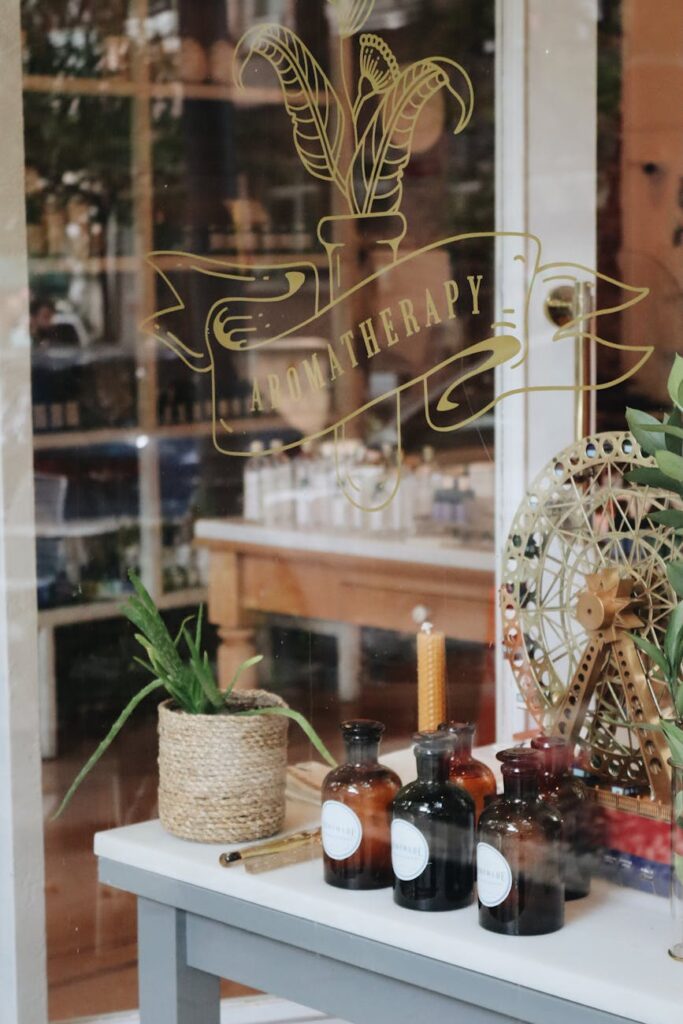
Complete Guide to Aromatherapy Blends for Seasonal Affective Disorder Part 3
Introduction
Seasonal Affective Disorder (SAD) is a type of depression that typically occurs during specific seasons, most commonly in the fall and winter months when daylight hours are shorter. Aromatherapy, the practice of using essential oils to promote physical and psychological well-being, has gained popularity as a complementary method to support emotional health. This article will explore the various aromatherapy blends that can be beneficial for individuals experiencing SAD, focusing on their properties, applications, and safe usage.
What Are Aromatherapy Blends for Seasonal Affective Disorder?
Aromatherapy blends for Seasonal Affective Disorder are carefully curated mixtures of essential oils designed to uplift mood, enhance energy levels, and promote emotional balance. These blends utilize the olfactory system—our sense of smell—to influence our emotions and mental state. The essential oils used in these blends are chosen for their specific properties that may help alleviate symptoms associated with SAD.
Key Benefits and Properties
The essential oils commonly included in aromatherapy blends for SAD possess a variety of beneficial properties:
1. Uplifting and Energizing: Oils like Sweet Orange (Citrus sinensis) and Bergamot (Citrus bergamia) are known for their mood-lifting properties, helping to combat feelings of sadness and lethargy.
2. Calming and Grounding: Lavender (Lavandula angustifolia) and Frankincense (Boswellia carterii) can provide calming effects that may help ease anxiety and promote a sense of tranquility.
3. Invigorating and Refreshing: Peppermint (Mentha piperita) and Rosemary (Rosmarinus officinalis) can stimulate the mind and body, enhancing concentration and energy levels.
4. Balancing: Geranium (Pelargonium graveolens) is often used for its ability to balance emotions, making it a popular choice for those experiencing mood swings.
5. Anti-inflammatory and Immune-Boosting: Certain oils, such as Eucalyptus (Eucalyptus globulus), possess anti-inflammatory properties that may support overall health during the colder months.
Common Uses
Aromatherapy blends for SAD can be used in various ways to maximize their benefits:
- Diffusion: Adding essential oils to a diffuser allows the aroma to fill a room, creating an uplifting environment.
- Inhalation: Direct inhalation of oils from the bottle or a personal inhaler can provide immediate mood enhancement.
- Topical Application: Diluting essential oils in a carrier oil and applying them to pulse points or areas of tension can promote localized relief.
- Bathing: Adding essential oils to bathwater can create a soothing, aromatic experience that helps improve mood.
- Massage: Incorporating aromatherapy blends into massage therapy can enhance relaxation and emotional release.
- 4 drops Sweet Orange
- 3 drops Lemon (Citrus limon)
- 2 drops Bergamot
- 5 drops Lavender
- 3 drops Frankincense
- 2 drops Ylang Ylang (Cananga odorata)
- 4 drops Peppermint
- 3 drops Rosemary
- 2 drops Lemongrass (Cymbopogon citratus)
- 4 drops Geranium
- 3 drops Cedarwood (Cedrus atlantica)
- 2 drops Patchouli (Pogostemon cablin)
- Dilution: Always dilute essential oils in a carrier oil before applying them to the skin to prevent irritation. A common dilution ratio is 2-3% for adults (approximately 12-18 drops of essential oil per ounce of carrier oil).
- Patch Test: Conduct a patch test on a small area of skin before using a new essential oil to check for allergic reactions.
- Avoiding Certain Oils: Pregnant or nursing individuals should consult a qualified aromatherapist before using essential oils, as some oils may not be safe during these periods.
- Children and Pets: Essential oils can be potent and should be used with caution around children and pets. Some oils are toxic to animals; thus, it is essential to research their safety.
- Consultation with a Professional: If in doubt, seek the guidance of a qualified aromatherapist for personalized advice.
- Cool, Dark Place: Store essential oils in a cool, dark area away from heat and sunlight, which can degrade their quality.
- Tightly Sealed Containers: Ensure that bottles are tightly sealed to prevent oxidation and evaporation.
- Shelf Life: Most essential oils have a shelf life of 1-3 years, depending on the type. Citrus oils tend to have a shorter shelf life, while oils like Patchouli may last longer.
Aromatherapy Applications
Creating effective aromatherapy blends involves combining various essential oils to harness their combined properties. Below are some recommended blends specifically for SAD:
1. Citrus Uplift Blend
Application: Use in a diffuser or as a personal inhaler to create a bright, cheerful ambiance.
2. Calming Lavender Blend
Application: Dilute in a carrier oil for topical use or add to a warm bath for relaxation.
3. Invigorating Mint Blend
Application: Inhale directly from the bottle for a quick energy boost, or use in a diffuser during midday slumps.
4. Grounding Floral Blend
Application: Use in a massage oil to promote emotional balance and grounding.
Safety Considerations
While aromatherapy can be a beneficial tool for emotional well-being, it is essential to consider safety when using essential oils:
Storage and Shelf Life
Proper storage is crucial to maintain the potency and effectiveness of essential oils:
Frequently Asked Questions
Q: Can aromatherapy completely cure Seasonal Affective Disorder?
A: Aromatherapy is not a substitute for professional treatment. It can be a complementary approach to support emotional well-being, but individuals experiencing SAD should consult healthcare professionals for comprehensive care.
Q: How often can I use aromatherapy blends?
A: Daily use is generally safe for most essential oils, particularly when diluted. However, it is essential to listen to your body and adjust usage as needed.
Q: Can I create my own blends?
A: Yes, personalizing your aromatherapy blends can be a rewarding experience. Start with a few essential oils that resonate with you and experiment with different combinations.
Q: Are there any essential oils I should avoid for SAD?
A: Some essential oils, such as those with strong stimulating properties (like Cinnamon or Clove), may not be suitable for everyone, particularly those with anxiety. Always conduct research and consult with a professional if unsure.
Conclusion
Aromatherapy blends can serve as a valuable tool for individuals experiencing Seasonal Affective Disorder, providing emotional support and enhancing overall well-being. By understanding the properties of various essential oils and their applications, one can create tailored blends that resonate with their individual needs. As with any complementary approach, it is essential to consider safety and consult with healthcare professionals when necessary. Embracing the power of scent can help cultivate a brighter outlook during the darker months.