
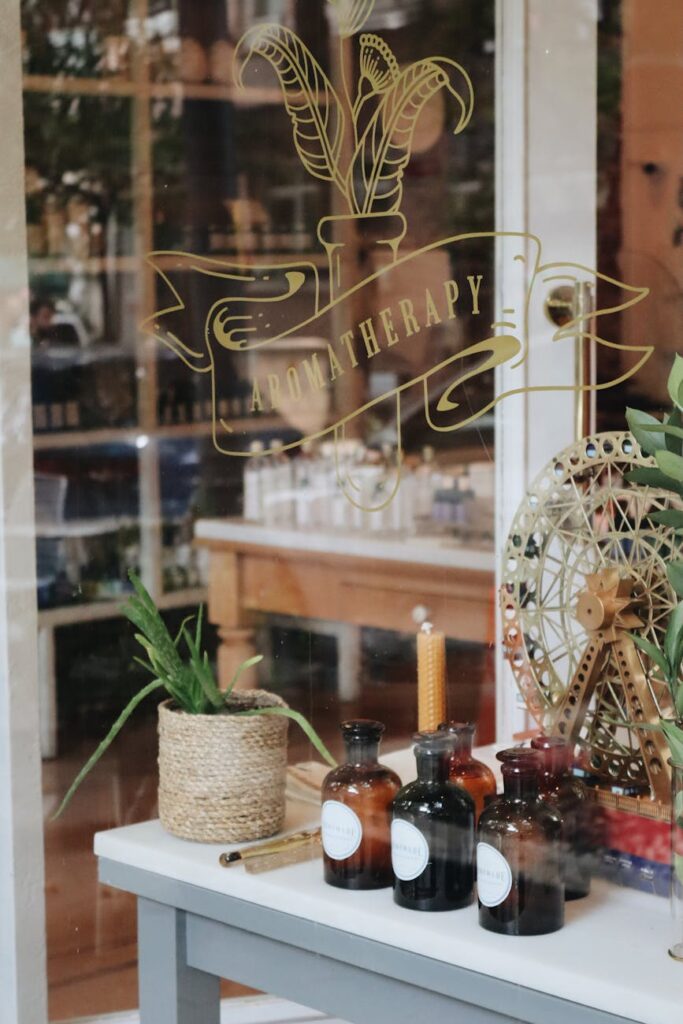
Complete Guide to Aromatherapy Blends for Seasonal Affective Disorder Part 5
Introduction
Seasonal Affective Disorder (SAD) is a type of depression that occurs at specific times of the year, often during the fall and winter months when daylight hours are shorter. Many individuals seek complementary therapies to alleviate the symptoms associated with this condition. Aromatherapy, which utilizes essential oils derived from plants, has gained popularity as a natural approach to support emotional well-being. This guide delves into aromatherapy blends specifically designed for managing the effects of SAD, highlighting their benefits, applications, and safety considerations.
What Is Aromatherapy Blends for Seasonal Affective Disorder?
Aromatherapy blends for Seasonal Affective Disorder consist of carefully selected essential oils that are believed to positively influence mood and emotional balance. These blends can be crafted to evoke feelings of happiness, calmness, and overall well-being. Essential oils contain volatile compounds extracted from various plant parts such as flowers, leaves, stems, and roots, each offering unique therapeutic properties.
When inhaled or applied topically, these oils can interact with the limbic system—the part of the brain that regulates emotions—potentially helping to alleviate feelings of sadness, anxiety, and lethargy associated with SAD. Common essential oils used in these blends include citrus oils like lemon and orange, floral oils like lavender, and woodsy oils like cedarwood and sandalwood.
Key Benefits and Properties
Aromatherapy blends for SAD are often formulated to harness the uplifting and calming properties of specific essential oils. Here are some key benefits associated with these blends:
Mood Enhancement
Certain essential oils, such as bergamot and sweet orange, are known for their uplifting properties. They may help elevate mood and promote a sense of joy and positivity.
Stress Reduction
Oils like lavender and ylang-ylang are often employed for their calming effects, helping to reduce anxiety and stress levels that can exacerbate symptoms of SAD.
Increased Energy
Some essential oils, such as peppermint and rosemary, are invigorating and can help combat feelings of lethargy and fatigue that are commonly associated with SAD.
Improved Sleep Quality
Essential oils like chamomile and marjoram can promote relaxation, potentially aiding in better sleep quality, which is crucial during periods of depression.
Common Uses
Aromatherapy blends for Seasonal Affective Disorder can be utilized in various ways, allowing individuals to choose methods that best suit their preferences and lifestyles. Here are some common applications:
Diffusion
Using a diffuser to disperse essential oils into the air is one of the most popular methods for experiencing their benefits. This method allows for a gentle and continuous release of aroma, creating a calming environment.
Inhalation
Direct inhalation is a simple yet effective way to enjoy the benefits of essential oils. Placing a few drops of a blend on a cotton ball or in the palms of the hands and inhaling deeply can provide immediate relief.
Topical Application
Diluting essential oils in a carrier oil and applying them to pulse points, such as wrists or behind the ears, can yield localized benefits while also creating a pleasant scent that lingers throughout the day.
Bathing
Adding a blend of essential oils to a warm bath can create a soothing experience, allowing for relaxation and stress relief. Always ensure the oils are properly diluted to prevent skin irritation.
Massage
Incorporating essential oils into a massage can enhance physical and emotional relaxation. Combining them with a carrier oil provides a perfect medium for soothing and therapeutic touch.
Aromatherapy Applications
Crafting effective aromatherapy blends for SAD involves understanding the characteristics of various essential oils. Here are some recommended blends and their applications:
Uplifting Citrus Blend
Ingredients:
- 3 drops Sweet Orange
- 2 drops Bergamot
- 1 drop Grapefruit
- 2 drops Lavender
- 2 drops Ylang-Ylang
- 1 drop Frankincense
- 2 drops Peppermint
- 2 drops Rosemary
- 1 drop Lemon
- 2 drops Cedarwood
- 1 drop Sandalwood
- 1 drop Vetiver
- Cool, Dark Place: Essential oils should be stored in a cool, dark location, away from direct sunlight and heat sources.
- Tightly Sealed Containers: Ensure that bottles are tightly sealed to prevent oxidation and evaporation.
Application: Diffuse in the morning to promote an energetic start to the day.
Calming Floral Blend
Ingredients:
Application: Use for evening relaxation, either in a diffuser or in a warm bath.
Invigorating Herbal Blend
Ingredients:
Application: Inhale directly before engaging in physical activity or during mid-afternoon slumps for a quick energy boost.
Grounding Woodsy Blend
Ingredients:
Application: Ideal for meditation or quiet reflection, this blend can be diffused or used during a personal retreat.
Safety Considerations
While aromatherapy can offer benefits, it is essential to approach its use with caution. Here are some safety tips:
Dilution
Essential oils are highly concentrated and should always be diluted in a carrier oil when used topically to prevent skin irritation. A common dilution ratio is 2-3 drops of essential oil per teaspoon of carrier oil.
Allergies and Sensitivities
Before using a new essential oil, conduct a patch test to check for any allergic reactions. If irritation occurs, discontinue use immediately.
Pregnancy and Medical Conditions
Consult with a healthcare professional before using essential oils if you are pregnant, nursing, or have existing medical conditions.
Quality of Essential Oils
Select high-quality, pure essential oils from reputable sources to ensure safety and efficacy. Look for oils that are labeled as 100% pure, without additives or fillers.
Storage and Shelf Life
Proper storage of essential oils is crucial to maintain their integrity and effectiveness. Here are some guidelines:
Storage Conditions
Shelf Life
The shelf life of essential oils varies depending on the type, but most can last from 1 to 5 years when stored properly. Citrus oils tend to have shorter shelf lives, while woodsy and resinous oils can last longer.
Frequently Asked Questions
1. Can aromatherapy cure Seasonal Affective Disorder?
Aromatherapy should be viewed as a complementary approach rather than a cure. While it may provide relief from symptoms, it is important to seek professional medical advice for comprehensive treatment options.
2. How often can I use aromatherapy blends?
You can use aromatherapy blends as often as needed, but listen to your body and adjust usage based on personal sensitivity and preference.
3. Are there any essential oils I should avoid during pregnancy?
Certain essential oils, such as clary sage and basil, should be avoided during pregnancy due to their stimulating effects. Always consult a healthcare professional before use.
4. Can children use essential oils?
Yes, but with caution. Essential oils should be diluted more than for adults, and it is advisable to consult with a pediatrician before introducing essential oils to children.
5. How can I make my own aromatherapy blends?
Creating your own blends can be a rewarding experience. Start with a base of essential oils known for their mood-boosting properties and experiment by combining them in small amounts, keeping track of your ratios until you find a blend that resonates with you.
Conclusion
Aromatherapy blends can serve as a supportive tool for those experiencing Seasonal Affective Disorder, providing an avenue for emotional healing and balance. By understanding the properties of different essential oils, their applications, and safety considerations, individuals can create tailored blends to enhance their well-being. As with any complementary therapy, it is crucial to approach aromatherapy with mindfulness and an openness to its potential benefits while incorporating it into a broader strategy for maintaining emotional health.