
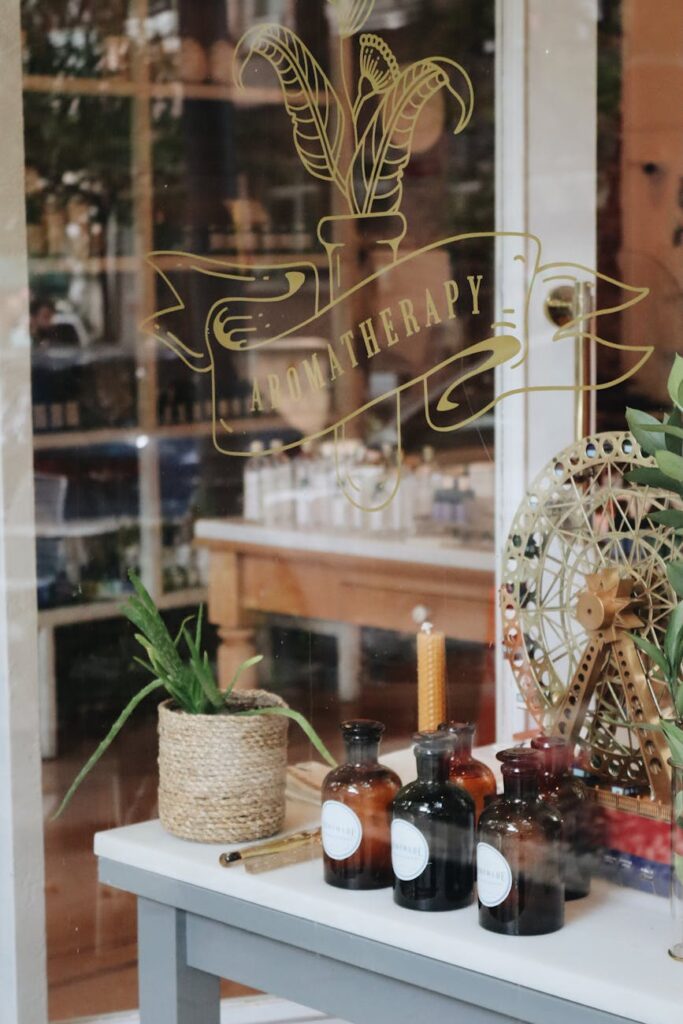
Complete Guide to Aromatherapy Blends for Seasonal Affective Disorder Part 6
Introduction
Seasonal Affective Disorder (SAD) is a type of depression that typically occurs during the fall and winter months when natural sunlight is limited. The shorter days and longer nights can lead to feelings of sadness, lethargy, and a general decline in mood. While various treatments are available, many individuals seek alternative methods to alleviate their symptoms. Aromatherapy, the practice of using essential oils for therapeutic benefits, has gained popularity as a complementary approach. This guide delves into aromatherapy blends specifically designed for those experiencing Seasonal Affective Disorder, exploring their benefits, applications, and safety considerations.
What Is Aromatherapy Blends for Seasonal Affective Disorder?
Aromatherapy blends for Seasonal Affective Disorder consist of essential oils combined to create a synergistic effect that may help improve mood and emotional well-being. These blends typically contain oils known for their uplifting, grounding, or calming properties. By inhaling these aromatic compounds or applying them topically, individuals may experience a range of benefits that could alleviate the symptoms associated with SAD.
Key Benefits and Properties
Aromatherapy blends can offer numerous benefits, particularly for those dealing with Seasonal Affective Disorder. Here are some key properties of essential oils commonly used in these blends:
1. Uplifting Properties
Certain essential oils, such as citrus oils (e.g., sweet orange, lemon, and bergamot), are known for their uplifting and energizing effects. These oils can help boost mood and promote a sense of joy and positivity.
2. Calming Effects
Essential oils like lavender and chamomile possess calming properties that can help reduce anxiety and promote relaxation. This is particularly beneficial for those who experience irritability or restlessness during darker months.
3. Grounding Qualities
Oils such as vetiver and cedarwood offer grounding effects that can help stabilize emotions and foster a sense of security and well-being.
4. Mental Clarity
Certain blends may enhance mental clarity and focus. Essential oils such as rosemary and peppermint can invigorate the mind, helping to combat the lethargy often associated with SAD.
5. Support for Overall Well-Being
Blends that combine multiple essential oils may provide a holistic approach, addressing various emotional and psychological aspects of Seasonal Affective Disorder.
Common Uses
Aromatherapy blends for SAD can be utilized in various ways, allowing individuals to choose the method that best suits their needs. Common uses include:
1. Diffusion
Using an essential oil diffuser to disperse aromatic blends into the air is one of the most popular methods. This allows for inhalation of the therapeutic properties while creating an inviting atmosphere.
2. Topical Application
Diluting essential oils in a carrier oil and applying them to pulse points (such as wrists and temples) can provide localized effects. This method can be particularly helpful for those seeking immediate relief from feelings of anxiety or sadness.
3. Bath Soaks
Adding essential oils to a warm bath can create a soothing and relaxing experience. This method not only allows for inhalation of the oils but can also provide a calming effect on the body.
4. Inhalation
Placing a few drops of essential oil on a cotton ball or tissue and inhaling deeply can be an effective way to experience the benefits of aromatherapy on the go.
5. Personal Inhalers
A personal inhaler is a small device that allows for inhalation of essential oils whenever needed. This portable option is great for those seeking immediate relief from SAD symptoms throughout the day.
Aromatherapy Applications
When creating or using aromatherapy blends for Seasonal Affective Disorder, consider the following applications:
1. Morning Uplift Blend
Combining uplifting oils such as sweet orange, lemon, and rosemary can create a refreshing blend to start the day. Diffusing this blend in the morning can help promote alertness and positivity.
2. Evening Relaxation Blend
A blend of lavender, chamomile, and cedarwood can help prepare the body for rest. Diffusing this blend in the evening can create a calming environment conducive to relaxation and sleep.
3. Midday Revival Blend
When feelings of fatigue or sadness strike during the day, a blend of peppermint, bergamot, and eucalyptus can serve as a revitalizing pick-me-up. Inhaling this blend can help restore energy and focus.
4. Grounding Blend
A blend of vetiver, frankincense, and patchouli can provide grounding support during moments of anxiety. This blend can be applied topically or diffused when feelings of unease arise.
5. Custom Blends
Individuals can experiment with different combinations of essential oils to create personalized blends that resonate with their unique emotional needs.
Safety Considerations
While aromatherapy can be a beneficial tool, it is essential to use essential oils safely:
1. Dilution
Always dilute essential oils with a carrier oil (e.g., coconut, jojoba, or almond oil) before applying to the skin to prevent irritation. A typical dilution ratio is 2-3 drops of essential oil per teaspoon of carrier oil.
2. Patch Test
Perform a patch test on a small area of skin to ensure there is no allergic reaction before applying a new blend more broadly.
3. Sensitivity
Be aware that some individuals may be sensitive to certain oils. Avoid using known allergens and consult with a knowledgeable aromatherapist if uncertain.
4. Pregnancy and Medical Conditions
Pregnant individuals or those with underlying medical conditions should consult a healthcare professional or qualified aromatherapist before using essential oils.
5. Quality of Essential Oils
Opt for high-quality, pure essential oils from reputable sources. This ensures that the oils are free from synthetic additives and contaminants.
Storage and Shelf Life
Proper storage of essential oils is crucial to maintain their potency and effectiveness:
1. Cool, Dark Place
Store essential oils in a cool, dark place away from direct sunlight and heat. Light and temperature fluctuations can degrade the oils over time.
2. Tight-Sealing Containers
Use dark glass containers to store essential oils. Dark glass helps protect the oils from light exposure, while tight-sealing caps prevent air from entering.
3. Shelf Life
Most essential oils have a shelf life of 1 to 3 years, depending on the oil. Citrus oils tend to have a shorter shelf life, while oils like patchouli and sandalwood can last longer if stored properly.
Frequently Asked Questions
1. Can aromatherapy blends completely cure Seasonal Affective Disorder?
Aromatherapy can be a helpful complementary approach to managing symptoms of SAD, but it is not a substitute for professional medical treatment. It is essential to consult a healthcare provider for comprehensive management.
2. How often can I use aromatherapy blends?
You can use aromatherapy blends as often as needed, but it is advisable to start with moderate use and pay attention to how your body responds.
3. Are there any essential oils I should avoid?
Individuals may have different sensitivities to essential oils. Common oils to avoid for specific individuals include those that may cause skin irritation or allergic reactions. Always conduct a patch test and consult a professional if concerned.
4. Can children use aromatherapy blends?
Some essential oils can be safe for children when properly diluted. However, it is crucial to consult a qualified aromatherapist or healthcare provider for guidance based on age and individual needs.
5. Can I mix different essential oils together?
Yes, blending different essential oils can create unique and personalized combinations. It is advisable to research the properties of each oil and test small amounts first.
Conclusion
Aromatherapy blends can serve as a valuable tool for those seeking relief from the symptoms of Seasonal Affective Disorder. By understanding the properties and applications of various essential oils, individuals can create personalized blends that cater to their emotional and psychological needs. While aromatherapy should not replace professional medical advice, it can complement traditional therapies and enhance overall well-being. With proper use and precautions, the aromatic world of essential oils offers a natural and holistic approach to managing the challenges of SAD.