
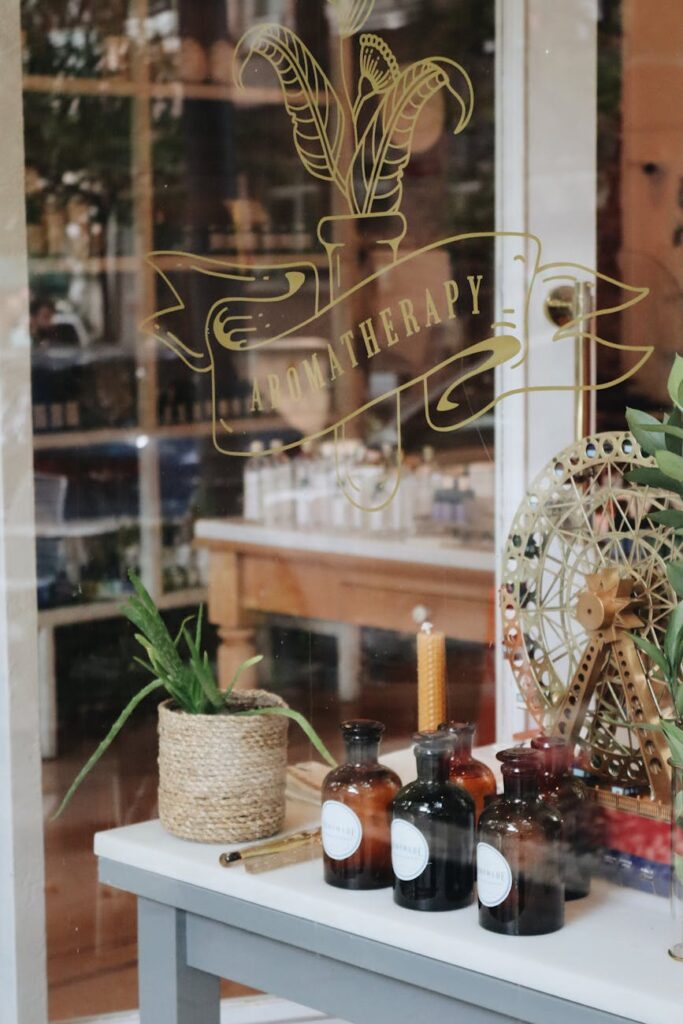
Complete Guide to Aromatherapy Blends for Seasonal Affective Disorder Part 7
Introduction
Seasonal Affective Disorder (SAD) is a form of depression that occurs at specific times of the year, most commonly during the fall and winter months when daylight hours are shorter. Many individuals experience changes in mood, energy levels, and overall well-being during these seasons. Aromatherapy, which utilizes essential oils extracted from plants, can provide a complementary approach to managing some of the emotional and psychological symptoms associated with SAD. In this guide, we will explore the various aromatherapy blends that can be beneficial for those affected by seasonal mood changes.
What Is Aromatherapy Blends for Seasonal Affective Disorder?
Aromatherapy blends for Seasonal Affective Disorder consist of carefully selected essential oils mixed to help uplift mood, enhance emotional well-being, and promote overall mental clarity during the darker months. The process involves the use of essential oils derived from aromatic plants, which can be inhaled or applied topically. Each essential oil possesses unique properties that contribute to its therapeutic effects, making them suitable for addressing various symptoms of SAD.
Key Benefits and Properties
The essential oils commonly used for SAD are known for their uplifting, calming, and balancing properties. Here are some key benefits associated with specific essential oils:
1. Citrus Oils: Oils such as sweet orange, lemon, and bergamot are known for their invigorating and mood-enhancing properties. They can help combat feelings of sadness and fatigue, promoting a sense of joy and positivity.
2. Lavender: Renowned for its calming effects, lavender essential oil can help reduce anxiety and promote relaxation. Its soothing aroma can also aid in improving sleep quality, which may be disrupted during periods of SAD.
3. Peppermint: This oil is invigorating and can provide an energy boost. It is often used to enhance mental clarity and focus, making it beneficial for combating feelings of lethargy.
4. Frankincense: Known for its grounding and meditative qualities, frankincense can help alleviate feelings of stress and anxiety while promoting a sense of peace and tranquility.
5. Ylang Ylang: This floral oil is celebrated for its mood-lifting properties. It can help reduce feelings of sadness and promote emotional balance.
By combining these essential oils into specific blends, individuals may find relief from the symptoms associated with Seasonal Affective Disorder.
Common Uses
Aromatherapy blends for SAD can be utilized in various ways, making them accessible and convenient for individuals seeking support. Some common uses include:
1. Diffusion: Adding a few drops of the chosen essential oil blend to a diffuser allows for inhalation of the uplifting aromas throughout a room, creating a positive environment.
2. Topical Application: Diluting essential oils in a carrier oil (such as jojoba or coconut oil) allows for safe topical application. This method can be beneficial for localized support, such as applying to pulse points or the chest.
3. Bath Soaks: Incorporating essential oils into bath water can create a soothing and relaxing experience, providing both psychological and physical benefits.
4. Inhalation: Simply inhaling essential oils directly from the bottle or from a cotton ball can provide immediate mood-enhancing effects.
5. Personal Inhalers: Using personal inhalers allows individuals to carry their favorite blends with them for on-the-go relief from SAD symptoms.
Aromatherapy Applications
Creating effective aromatherapy blends for Seasonal Affective Disorder involves combining essential oils in a way that enhances their synergistic effects. Below are some suggested blends and their applications:
Uplifting Citrus Blend
- Ingredients: 5 drops Sweet Orange, 3 drops Lemon, 2 drops Bergamot
- Application: Diffuse in a room or add to a bath for an uplifting experience.
- Ingredients: 4 drops Lavender, 3 drops Frankincense, 2 drops Ylang Ylang
- Application: Use in a personal inhaler or add to a carrier oil for a relaxing massage.
- Ingredients: 4 drops Peppermint, 2 drops Rosemary, 2 drops Eucalyptus
- Application: Diffuse during work or study sessions for increased focus and energy.
- Ingredients: 3 drops Frankincense, 3 drops Ylang Ylang, 2 drops Geranium
- Application: Use in a bath soak or as a topical blend over the heart area for emotional support.
Calming Lavender Blend
Invigorating Mint Blend
Grounding Floral Blend
Safety Considerations
While aromatherapy can be beneficial, it is essential to approach its use with caution. Here are some safety considerations to keep in mind:
1. Dilution: Essential oils should always be diluted in a carrier oil before topical application to prevent skin irritation.
2. Allergies: Conduct a patch test on a small area of skin before using a new essential oil to check for any allergic reactions.
3. Pregnancy and Nursing: Some essential oils may not be safe for use during pregnancy or breastfeeding. Consulting with a qualified professional is advisable.
4. Children and Pets: Certain essential oils may not be suitable for children or pets. Exercise caution and seek guidance on safe options.
5. Medical Conditions: Individuals with pre-existing medical conditions or those taking medications should consult with healthcare professionals before using essential oils.
Storage and Shelf Life
Proper storage of essential oils is essential to maintain their potency and effectiveness. Here are some guidelines:
1. Containers: Store essential oils in dark glass bottles to protect them from light, which can degrade their quality.
2. Temperature: Keep oils in a cool, dry place away from direct sunlight and heat sources. Ideal storage temperatures range from 60°F to 70°F (15°C to 21°C).
3. Shelf Life: The shelf life of essential oils varies depending on the type. Generally, citrus oils have a shorter shelf life (1-2 years), while others like lavender and frankincense can last for several years if stored properly.
Frequently Asked Questions
1. How long does it take to feel the effects of aromatherapy for SAD?
The effects of aromatherapy can vary from person to person. Some may notice immediate benefits, while others may require consistent use over several days or weeks to experience significant changes in mood.
2. Can aromatherapy replace traditional treatments for SAD?
Aromatherapy should be considered a complementary approach and not a substitute for professional medical treatment. Individuals experiencing severe depression or other mental health issues should consult a healthcare professional.
3. Are there any essential oils to avoid for SAD?
While most essential oils are safe for general use, some may not be suitable for those with specific allergies or sensitivities. It is best to avoid oils that have previously caused adverse reactions.
4. How often can I use aromatherapy blends?
Aromatherapy can be used daily, but it is essential to listen to your body and adjust usage based on individual preferences and sensitivities. Some may find that using blends multiple times a day is beneficial, while others may prefer less frequent application.
5. Is it safe to use aromatherapy during pregnancy?
Certain essential oils may not be safe during pregnancy. It is crucial to seek guidance from a qualified healthcare professional before using essential oils during this time.
Conclusion
Aromatherapy offers a holistic approach to managing the emotional challenges associated with Seasonal Affective Disorder. By leveraging the uplifting properties of essential oils, individuals can create tailored blends that support their mental well-being during the darker months. While aromatherapy can be a valuable tool, it is essential to approach its use with knowledge, caution, and respect for one’s unique needs. As with any complementary practice, personal exploration and mindfulness are key to finding the most effective solutions for enhancing emotional health.