
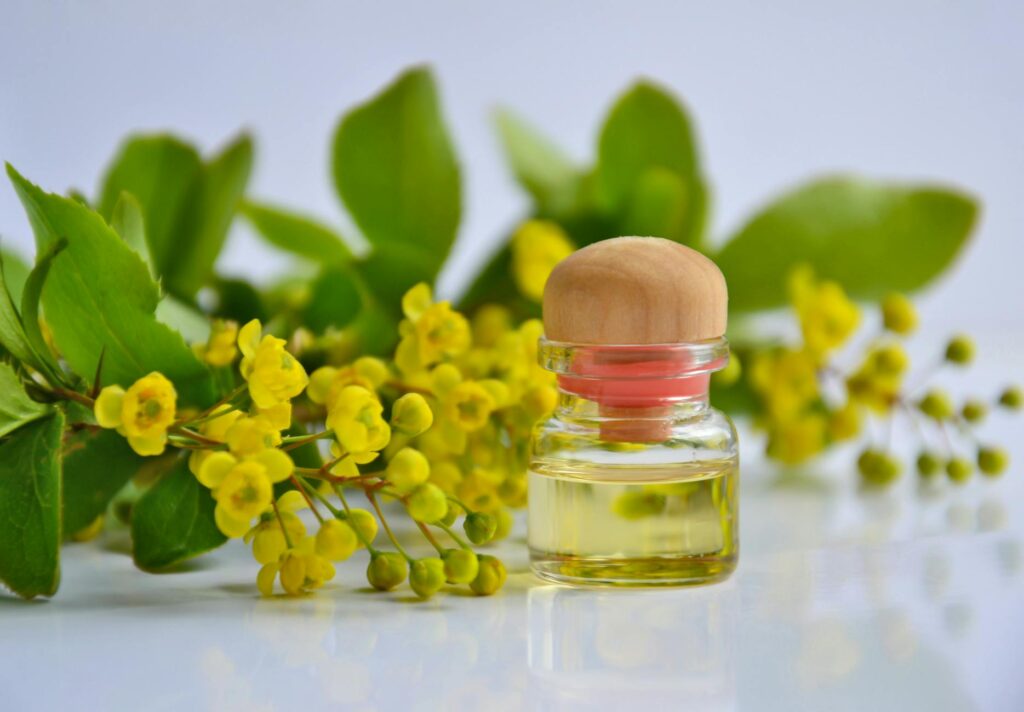
Complete Guide to Aromatherapy Blends for Seasonal Allergies Part 3
Introduction
Seasonal allergies, commonly triggered by pollen from trees, grasses, and weeds, can lead to a variety of uncomfortable symptoms such as sneezing, nasal congestion, and itchy eyes. While traditional treatments often involve antihistamines and other medications, many individuals are turning to natural remedies, including aromatherapy. This article serves as a comprehensive guide to aromatherapy blends specifically tailored for alleviating the discomfort associated with seasonal allergies. Whether you are new to the practice or looking to expand your knowledge, this guide aims to provide valuable insights into creating effective and soothing blends.
What Are Aromatherapy Blends for Seasonal Allergies?
Aromatherapy blends are mixtures of essential oils formulated to promote well-being and address specific health concerns. For seasonal allergies, these blends typically include oils known for their anti-inflammatory, antihistamine, and soothing properties. The goal is to create a harmonious synergy among the essential oils that can help ease allergy symptoms when inhaled or applied topically.
Key Ingredients
1. Lavender (Lavandula angustifolia): Renowned for its calming effects, lavender can also help reduce inflammation.
2. Peppermint (Mentha piperita): This invigorating oil can open nasal passages and enhance breathing.
3. Eucalyptus (Eucalyptus globulus): Known for its decongestant qualities, eucalyptus can help clear the respiratory tract.
4. Tea Tree (Melaleuca alternifolia): With its antimicrobial properties, tea tree oil may help combat infections that can exacerbate allergy symptoms.
5. Lemon (Citrus limon): This uplifting oil is known for its cleansing properties and can boost mood.
Key Benefits and Properties
Aromatherapy blends for seasonal allergies harness the therapeutic properties of essential oils to provide several benefits:
- Anti-inflammatory Effects: Many essential oils, such as lavender and eucalyptus, help reduce inflammation in the respiratory system, alleviating symptoms like nasal congestion and sinus pressure.
- Antihistamine Action: Certain oils can mimic the effects of antihistamines, helping to reduce the body’s histamine response to allergens.
- Relaxation and Stress Relief: The calming properties of oils like lavender can also contribute to emotional well-being during allergy season, which can be particularly beneficial for those affected by seasonal stress.
- Improved Breathing: Oils such as peppermint and eucalyptus can facilitate easier breathing, making it easier to cope with allergy-related respiratory issues.
- Inhalation: Using a diffuser to disperse essential oils into the air is one of the most common methods. This allows for quick absorption through the respiratory system.
- Topical Application: Diluting essential oils in a carrier oil (such as jojoba or coconut oil) can create a topical blend that can be applied to pulse points, the chest, or the back of the neck.
- Steam Inhalation: Adding essential oils to a bowl of hot water and inhaling the steam can provide immediate relief for congestion and sinus pressure.
- Baths: Incorporating essential oils into a warm bath can enhance relaxation while simultaneously addressing allergy symptoms.
- 5 drops Eucalyptus oil
- 4 drops Peppermint oil
- 3 drops Lavender oil
- 6 drops Lavender oil
- 3 drops Lemon oil
- 3 drops Tea Tree oil
- 4 drops Lavender oil
- 4 drops Roman Chamomile oil
- 2 drops Frankincense oil
- Dilution: Always dilute essential oils before topical application to avoid skin irritation. A standard dilution ratio is 2-3 drops of essential oil per teaspoon of carrier oil.
- Allergies: Conduct a patch test to ensure you do not have an allergic reaction to a specific essential oil.
- Pregnancy and Nursing: Certain essential oils may not be suitable for pregnant or nursing women. It is advisable to consult a healthcare professional.
- Children: Some essential oils are not recommended for young children. Always check guidelines regarding age restrictions.
- Quality of Oils: Use high-quality, therapeutic-grade essential oils. Poor-quality oils may contain additives that can be harmful.
- Dark Glass Containers: Essential oils should be stored in dark glass bottles to prevent light degradation.
- Cool, Dry Place: Keep oils in a cool, dry location away from direct sunlight and heat sources.
- Shelf Life: Most essential oils have a shelf life of 1-3 years, but this can vary based on the type of oil. Citrus oils, for instance, may have a shorter shelf life.
- Check for Changes: Always inspect oils for changes in color, viscosity, or scent, which may indicate spoilage.
Common Uses
Aromatherapy blends for seasonal allergies can be utilized in various ways, each offering a unique method of delivery and effectiveness:
Aromatherapy Applications
Creating effective aromatherapy blends for seasonal allergies involves understanding the synergy between different essential oils. Below are a few blend recipes that can be easily prepared at home.
Blend 1: Breathe Easy
Ingredients:
Instructions:
Mix the oils in a dark glass bottle. Use in a diffuser or dilute with a carrier oil for topical application.
Blend 2: Allergy Relief
Ingredients:
Instructions:
Combine the oils in a dropper bottle. For inhalation, add a few drops to a tissue and breathe deeply.
Blend 3: Calming Air
Ingredients:
Instructions:
Mix in a diffuser for calming effects while addressing allergy symptoms.
Safety Considerations
While aromatherapy is generally considered safe when used responsibly, there are several key points to keep in mind:
Storage and Shelf Life
Proper storage of essential oils is crucial to maintain their potency and effectiveness. Here are some guidelines:
Frequently Asked Questions
Can I use essential oils if I have allergies?
Yes, many people find relief from allergy symptoms using essential oils. However, it’s essential to choose oils wisely and ensure you do not have sensitivities to specific types.
How often can I use aromatherapy blends?
The frequency of use can vary depending on individual needs and the specific blend. Generally, inhalation can be done several times a day, while topical applications should be limited to a few times daily.
Are there any essential oils to avoid for allergies?
While many essential oils are beneficial, some, like clove or cinnamon, can be irritating to the skin and respiratory system. It’s best to consult an experienced aromatherapist or research thoroughly before use.
Can I combine different blends?
Yes, combining different blends can enhance effectiveness. However, ensure the oils you combine have compatible properties to avoid any potential adverse reactions.
Conclusion
Aromatherapy blends offer a natural and holistic approach to managing seasonal allergies. With an understanding of the key ingredients, benefits, and safe applications, individuals can create personalized blends to ease their symptoms. Always remember to approach aromatherapy with knowledge and caution, ensuring a safe and effective experience. By incorporating these blends into your routine, you may find a soothing ally against the discomfort of seasonal allergies.