
Complete Guide to Aromatherapy Blends for Seasonal Allergies Part 5
Introduction
Seasonal allergies, often triggered by pollen, mold, and other environmental factors, can significantly affect the quality of life for many individuals. While conventional treatments may offer relief, many people seek alternative methods, such as aromatherapy, to alleviate their symptoms. Aromatherapy blends harness the power of essential oils, providing a natural approach to seasonal discomfort. This guide aims to explore various aspects of aromatherapy blends specifically tailored for seasonal allergies, including their benefits, common uses, applications, and safety considerations.
What Is Aromatherapy Blends for Seasonal Allergies?
Aromatherapy blends refer to the combination of essential oils formulated to target specific health concerns—in this case, seasonal allergies. Essential oils are concentrated plant extracts that capture the natural fragrance and therapeutic properties of the source plant. The blends can be used in various applications, such as diffusers, inhalation, massage oils, and topical treatments.
For seasonal allergies, specific essential oils are selected for their properties that may help to alleviate symptoms like nasal congestion, sneezing, and itchy eyes. Popular essential oils for this purpose include eucalyptus, lavender, peppermint, and tea tree oil, among others.
Key Benefits and Properties
Aromatherapy blends for seasonal allergies are not only fragrant but also possess various properties that may offer relief from allergy symptoms. Here are some key benefits:
1. Anti-inflammatory Properties
Certain essential oils, like lavender and chamomile, are known for their anti-inflammatory effects, which can help reduce the inflammation associated with allergic reactions.
2. Antihistamine Effects
Essential oils such as peppermint and eucalyptus may act as natural antihistamines, helping to alleviate symptoms like nasal congestion and sneezing.
3. Respiratory Support
Eucalyptus and tea tree oil are renowned for their ability to support respiratory health. These oils can help to open airways and promote easier breathing during allergy season.
4. Calming Effects
Seasonal allergies can lead to stress and anxiety. Oils like lavender and bergamot are known for their calming properties, which can help to alleviate the emotional strain caused by allergy symptoms.
5. Immune System Support
Some essential oils, such as lemon and oregano, may help to support immune health, making them beneficial during allergy season when the body is under stress from allergens.
Common Uses
Aromatherapy blends for seasonal allergies can be used in various ways. Here are some common applications:
1. Diffusion: Using a diffuser to disperse essential oils into the air can create a therapeutic environment. This method is particularly effective for respiratory support.
2. Inhalation: Simply inhaling the aroma of essential oils from an open bottle or cotton ball can provide immediate relief from symptoms.
3. Topical Applications: Diluting essential oils in a carrier oil and applying them to areas like the chest, temples, or wrists can offer localized relief.
4. Bathing: Adding essential oils to bath water can create a soothing experience that promotes relaxation and relief from allergy symptoms.
5. Steam Inhalation: Adding essential oils to a bowl of hot water and inhaling the steam can help clear nasal passages.
Aromatherapy Applications
Recommended Blends
Here are some effective aromatherapy blends specifically designed to alleviate seasonal allergy symptoms:
1. Respiratory Relief Blend
- Ingredients: 3 drops of eucalyptus, 2 drops of peppermint, 2 drops of tea tree oil.
- Method: Diffuse or inhale directly to support respiratory function.
- Ingredients: 3 drops of lavender, 2 drops of bergamot, 1 drop of chamomile.
- Method: Use in a diffuser or dilute with a carrier oil and apply to pulse points.
- Ingredients: 2 drops of lemon, 2 drops of oregano, 2 drops of rosemary.
- Method: Diffuse or use in a steam inhalation to enhance immune support.
- Dilution: Always dilute essential oils with a carrier oil (such as jojoba, coconut, or almond oil) for topical applications. A general rule of thumb is to use a 2% dilution (approximately 12 drops of essential oil per ounce of carrier oil).
- Patch Test: Perform a patch test on a small area of skin to check for any allergic reactions before applying a blend more broadly.
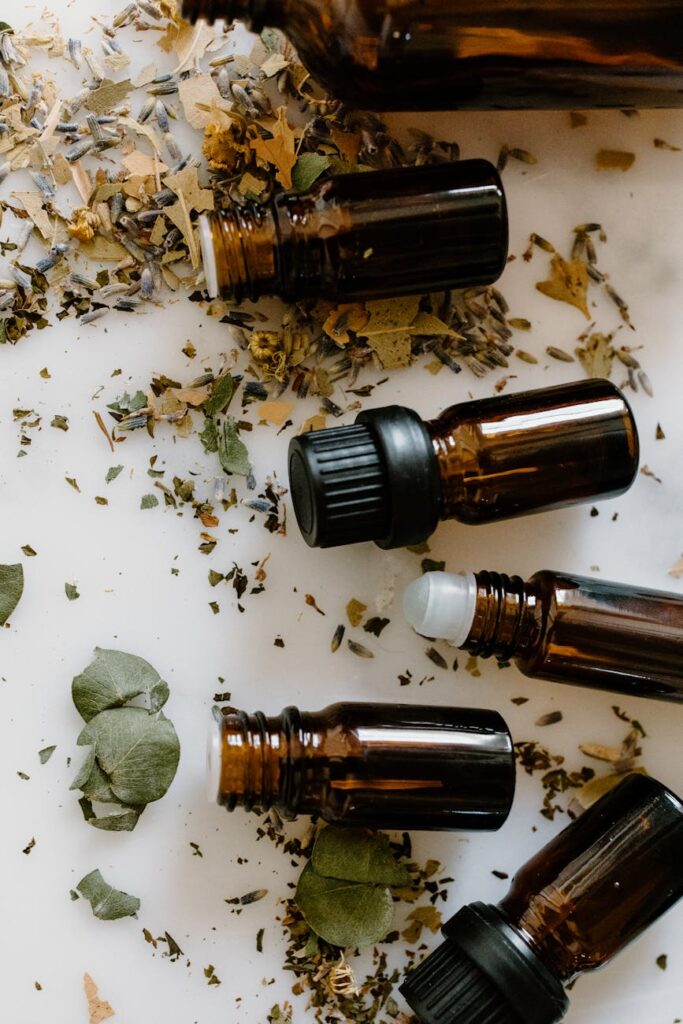
- Dark Glass Bottles: Store essential oils in dark glass bottles to protect them from light, which can degrade the oils.
- Cool, Dry Place: Keep the oils in a cool, dry location, away from direct sunlight and heat sources.
- Shelf Life: The shelf life of essential oils can vary based on the type. Generally, citrus oils have a shorter shelf life (1–2 years), while oils like sandalwood or patchouli can last for several years if stored properly.
2. Calming Allergy Blend
3. Immune Booster Blend
Tips for Blending
Safety Considerations
While aromatherapy is generally considered safe, there are some important safety considerations to keep in mind:
1. Quality of Essential Oils: Ensure you use high-quality, pure essential oils from reputable sources. Adulterated or synthetic oils may not provide the desired benefits and could cause adverse reactions.
2. Pregnancy and Nursing: Certain essential oils are not recommended for use during pregnancy or while nursing. Consult with a knowledgeable professional if you are unsure about specific oils.
3. Children and Pets: Some essential oils can be irritating or harmful to children and pets. Always research the safety of oils before use in households with children or animals.
4. Pre-existing Conditions: Individuals with respiratory issues or other health concerns should exercise caution and consult with a healthcare provider before using essential oils.
Storage and Shelf Life
Proper storage of essential oils is crucial for maintaining their potency and effectiveness. Here are some guidelines:
Frequently Asked Questions
1. Can aromatherapy completely cure seasonal allergies?
While aromatherapy can provide relief from symptoms, it is not a cure for seasonal allergies. It is best used as a complementary approach alongside other treatments.
2. How often can I use aromatherapy blends?
The frequency of use can vary based on individual preference and tolerance. However, it is generally safe to use the blends multiple times a day, especially during peak allergy seasons.
3. Are there any essential oils to avoid during allergy season?
Certain oils may trigger allergies or sensitivities in some individuals. If you have known allergies, it is advisable to avoid oils derived from those allergens and to conduct a patch test with new oils.
4. Can I use essential oils in my cleaning products for allergy relief?
Yes, certain essential oils like tea tree oil and lemon can be beneficial when added to cleaning products, as they possess antibacterial and antifungal properties. However, be cautious with concentrations and ensure that the mixtures are safe for household use.
5. What is the best way to introduce aromatherapy into my routine for allergies?
Start by identifying specific symptoms you wish to address and experiment with different blends and applications to find what works best for you. Diffusion is often a good starting point, as it allows for easy and safe inhalation of essential oils.
Conclusion
Aromatherapy offers a holistic approach to managing seasonal allergies through the use of essential oils and carefully formulated blends. By understanding the properties, applications, and safety considerations associated with these oils, individuals can create a customized aromatherapy experience that may help alleviate discomfort during allergy season. As with any natural remedy, it’s essential to approach aromatherapy with knowledge and respect for the powerful properties of essential oils.