
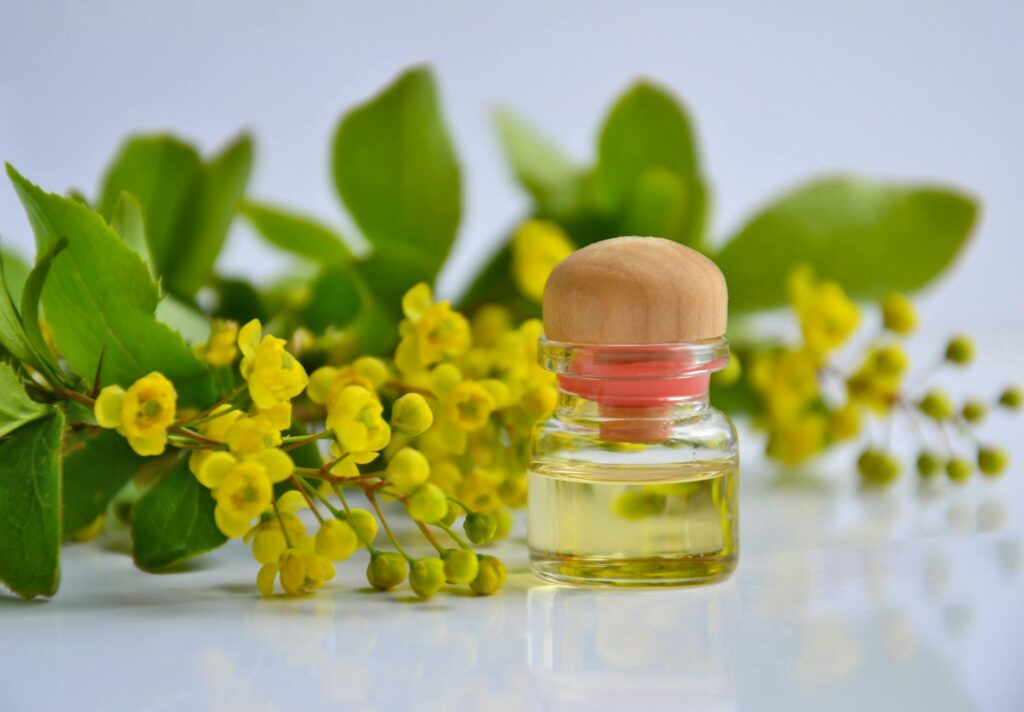
Complete Guide to Aromatherapy Blends for Seasonal Allergies Part 6
Introduction
Seasonal allergies, often triggered by pollen, dust, and other environmental factors, can lead to discomfort for many individuals. While traditional remedies may provide relief, many people are turning to natural alternatives, including aromatherapy. This article explores the use of essential oil blends designed specifically to alleviate seasonal allergy symptoms. We will delve into the properties, applications, and safety considerations of these blends to empower readers with knowledge about this holistic approach.
What Is Aromatherapy Blends for Seasonal Allergies?
Aromatherapy involves the use of essential oils extracted from plants to promote physical and emotional well-being. When these oils are blended specifically for addressing seasonal allergies, they can provide relief from symptoms such as nasal congestion, sneezing, and headaches. Aromatherapy blends for seasonal allergies typically incorporate oils known for their anti-inflammatory, antihistaminic, and soothing properties.
The creation of these blends often involves combining multiple essential oils to enhance their effects, aiming for a synergistic experience that maximizes the potential benefits for allergy relief.
Key Benefits and Properties
Understanding the benefits of specific essential oils can help in selecting the right blends for seasonal allergies. Here are some commonly used essential oils and their properties:
- Lavender (Lavandula angustifolia): Known for its calming and anti-inflammatory effects, lavender can help soothe the respiratory system and promote relaxation.
- Peppermint (Mentha piperita): This oil has decongestant properties and can help clear nasal passages, making it easier to breathe.
- Eucalyptus (Eucalyptus globulus): Often recognized for its ability to relieve congestion, eucalyptus has a refreshing scent and acts as an expectorant.
- Tea Tree (Melaleuca alternifolia): Known for its antibacterial and antifungal properties, tea tree oil can help purify the air and reduce allergens.
- Lemon (Citrus limon): Lemon oil is uplifting and can help reduce inflammation while promoting a sense of clarity and freshness.
- Chamomile (Matricaria chamomilla): This oil is recognized for its calming effects and can help soothe irritated tissues in the respiratory tract.
- Diffusion: Using an essential oil diffuser can disperse the blended oils throughout a room, providing a soothing atmosphere while purifying the air.
- Topical Application: Diluting essential oils in a carrier oil and applying them to pulse points or areas of discomfort can offer localized relief.
- Inhalation: Inhaling directly from the bottle or using an inhaler can provide immediate relief for congested nasal passages.
- Bathing: Adding essential oils to a warm bath can create a relaxing environment while allowing the oils to be absorbed through the skin.
- Steam Inhalation: Creating a steam inhalation with hot water and essential oils can help clear nasal passages and provide comfort.
- Ingredients:
- 4 drops Lavender
- 3 drops Peppermint
- 3 drops Eucalyptus
- Application: Diffuse in a room or dilute in a carrier oil for topical application.
- Ingredients:
- 5 drops Lemon
- 3 drops Tea Tree
- 2 drops Chamomile
- Application: Use in a diffuser for uplifting energy or mix with a carrier oil for a refreshing massage.
- Ingredients:
- 4 drops Lavender
- 3 drops Chamomile
- 2 drops Eucalyptus
- Application: Diffuse before bedtime or add to a warm bath to relax before sleep.
- Ingredients:
- 3 drops Eucalyptus
- 3 drops Peppermint
- 3 drops Tea Tree
- Application: Add to a bowl of hot water for steam inhalation, covering your head with a towel to trap the steam.
- Dilution: Essential oils are potent and should always be diluted with a carrier oil for topical use to prevent skin irritation. A common dilution ratio is 2% (approximately 12 drops of essential oil per ounce of carrier oil).
- Patch Test: Before using a new essential oil blend, conduct a patch test on a small area of skin to check for sensitivity or allergic reactions.
- Pregnancy and Children: Some essential oils are not recommended for use during pregnancy or for young children. Always consult a knowledgeable source before use in these populations.
- Quality of Oils: Choose high-quality, pure essential oils from reputable suppliers to ensure safety and effectiveness.
- Consultation: If you have specific health conditions, consult a qualified practitioner before using essential oils.
- Dark Glass Containers: Store essential oils in dark glass bottles to protect them from light, which can degrade their quality.
- Cool, Dry Place: Keep oils in a cool, dry environment away from direct sunlight and heat sources.
- Tight Seals: Ensure that containers are tightly sealed to prevent oxidation and evaporation.
- Shelf Life: Most essential oils have a shelf life of 1-3 years, but citrus oils may have a shorter shelf life due to their composition. Regularly check for changes in aroma or consistency to assess freshness.
When combined thoughtfully, these oils can create powerful blends tailored to alleviate the discomfort associated with seasonal allergies.
Common Uses
Aromatherapy blends for seasonal allergies can be used in various ways, depending on individual preferences and the desired effect. Here are some common applications:
Aromatherapy Applications
To create effective aromatherapy blends for seasonal allergies, consider the following recipes tailored to common symptoms:
Basic Allergy Relief Blend
Energizing Citrus Blend
Relaxing Nighttime Blend
Decongestant Steam Blend
Safety Considerations
While aromatherapy can be beneficial, it is essential to practice safety to avoid adverse reactions. Here are some key considerations:
Storage and Shelf Life
Proper storage of essential oils is crucial to maintain their efficacy and extend their shelf life. Here are some guidelines:
Frequently Asked Questions
1. Can aromatherapy completely eliminate seasonal allergies?
While aromatherapy can provide relief from symptoms, it is not a cure for seasonal allergies. It can be used as a complementary approach alongside other treatments.
2. How often can I use essential oils for seasonal allergies?
Usage can vary depending on the individual and the method of application. Diffusing oils can be done throughout the day, while topical applications may be used 2-3 times daily, ensuring proper dilution.
3. Are there any essential oils to avoid for allergies?
Certain oils can be irritating or may trigger allergic reactions in some individuals. It is advisable to avoid oils known for their irritant properties, such as cinnamon or clove, unless you are experienced in their use.
4. How can I find the right blend for my specific allergy symptoms?
Experimenting with different essential oils and blends can help you determine what works best for you. Consider keeping a journal to track the effects of different oils and blends.
5. Can I mix different essential oils together?
Yes, blending different essential oils can create synergistic effects. However, it is crucial to understand the properties of each oil to ensure a balanced blend.
Conclusion
Aromatherapy blends offer a natural approach to managing the discomfort associated with seasonal allergies. By understanding the properties of various essential oils and their applications, individuals can create personalized blends that suit their needs. Always remember to prioritize safety, ensure proper storage, and consult with knowledgeable sources when necessary. Embracing the power of nature through aromatherapy can provide a refreshing and uplifting experience during the allergy season.